Categories
Segway News

Segway E3 Go Has a 25-Mile Range, but There’s a Detail Worth Checking

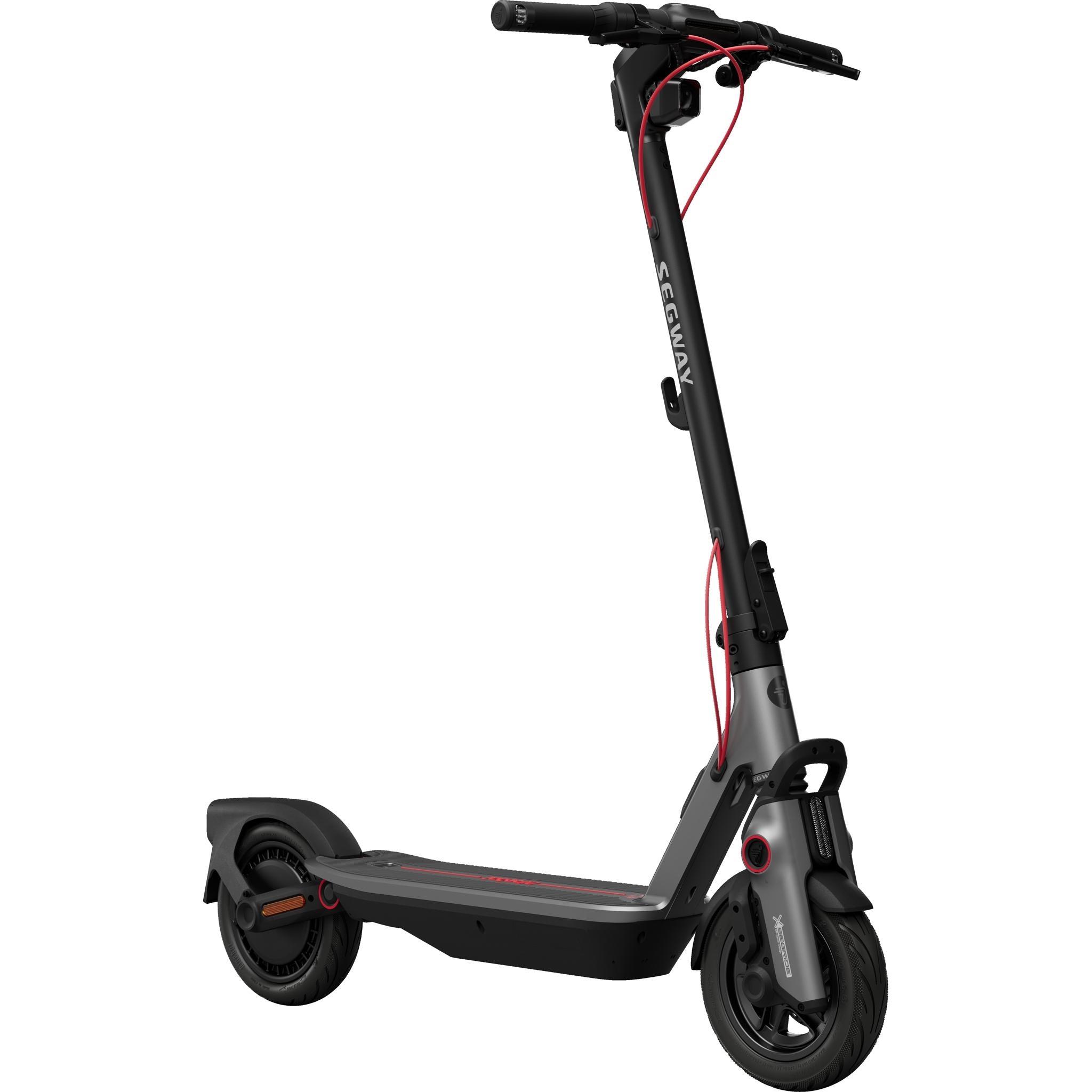
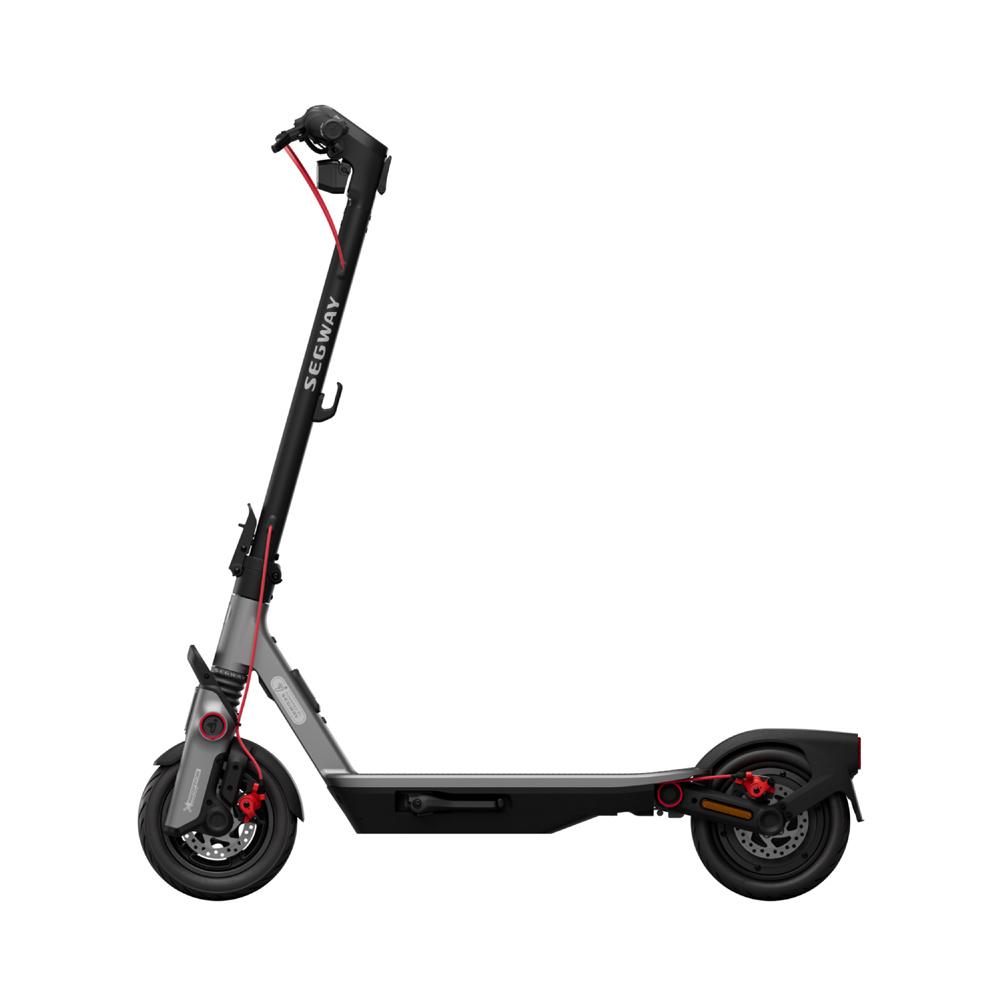
The Segway E3 Go has arrived in the United States with a price of $649.99. It isn’t the fastest electric scooter in the company’s range, and that’s probably intentional. With a top speed of 20 mph, it looks better suited to commuting than chasing performance figures.

The advertised range is 25 miles. Getting that distance, however, means riding in ECO mode at no more than 9 mph.

Things change when you pick up the pace.

At 15 mph, Segway estimates 17 miles between charges. Use SPORT mode and its 20 mph speed limit, and that figure falls to 11 miles.

For somebody travelling five miles to work, that could mean charging before the return journey.
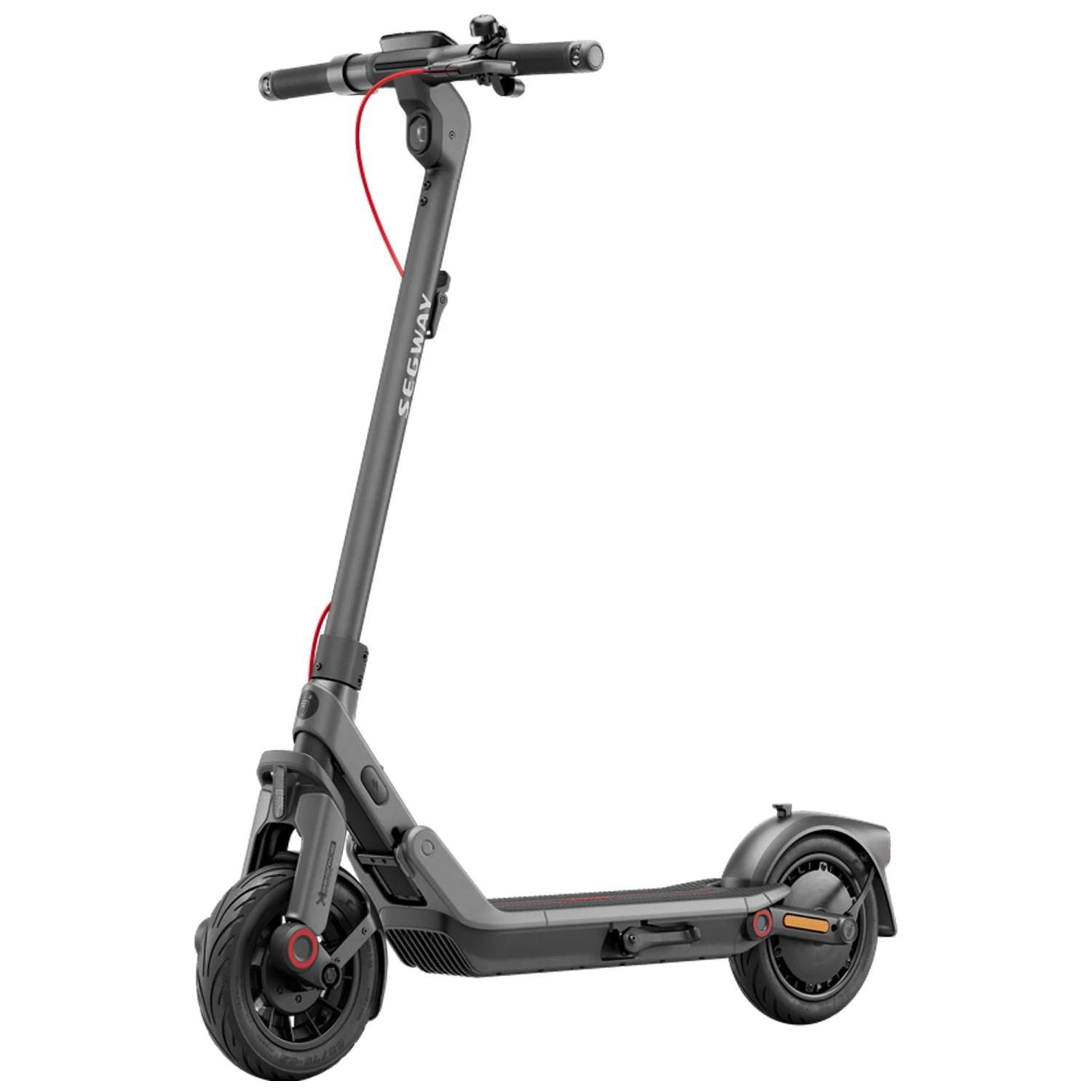
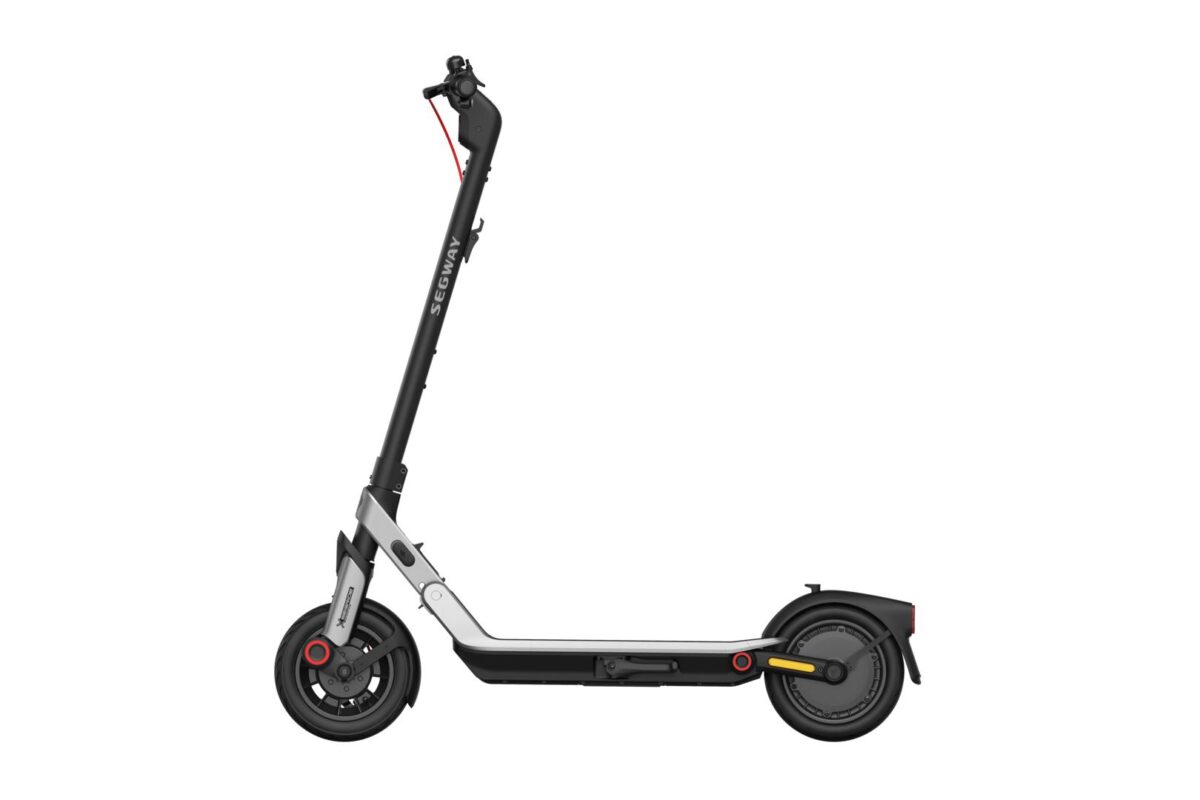
Segway E3 Go – Front Suspension and Tubeless Tires
Segway E3 Go – Front Suspension and Tubeless Tire

Segway isn’t hiding these figures. They’re listed in the specifications, although the larger range number is naturally the one that attracts attention first.

The battery has a capacity of 276 Wh and takes approximately five and a half hours to recharge. That’s manageable overnight, but less convenient if you’ve forgotten to plug it in before leaving for work.

Power comes from a 400-watt motor, capable of reaching 800 watts briefly. Segway quotes an 18 percent climbing capability.

Those numbers should be sufficient for many urban journeys, provided the route doesn’t involve particularly steep hills.

The E3 Go also has two coil springs at the front and 10-inch tubeless tyres. That’s welcome equipment on a scooter likely to encounter cracked pavement, uneven cycle lanes and the occasional pothole.

There are some useful details beyond the suspension.

Segway E3 Go – Everyday Urban Electric Scooter

Turn indicators come fitted, along with a rear brake light. The front wheel uses a drum brake, while electronic braking handles the rear. Traction control is available, although it needs to be switched on through Segway’s app.

Owners with Apple devices can use Find My to help locate the scooter.

Weight is another consideration. At 21.2 kilograms, the E3 Go can be folded for storage, but carrying it upstairs every day might become tiresome.

Segway gives the scooter body an IPX5 water-resistance rating and the battery an IPX7 rating. That offers some reassurance in wet weather, not a reason to ride through standing water.

At $649.99, the E3 Go brings together several features commuters will appreciate.

Whether its range is enough, depends less on the advertised 25 miles and more on the speed riders expect to maintain. An 11-mile SPORT range leaves considerably less room for unexpected detours.

Categories
Segway News

Segway Ninebot F3 Pro Gets Its Range Checked by UL. The Result Matters More Than You Might Think

There’s a familiar problem with electric scooters.

The manufacturer promises you a great deal in terms of mile range, you buy it and then discover that your own journeys don’t quite match the figures on the box.

Sometimes the difference is small. Other times, hills, cold weather and frequent stops make a noticeable dent in the distance you can travel.

Segway is trying to make those numbers easier to judge.

Segway F3 Pro (1)
Segway F3 Pro

Its Ninebot F3 Pro has received the UL Verified Micro Mobility Performance Mark, covering range, energy consumption and water resistance. The verification comes from UL Solutions, an independent testing organisation, rather than Segway’s own marketing department.

That doesn’t make the F3 Pro immune to disappointing battery life. It does mean the claims have been examined against an external testing process.

The scooter itself arrived as part of Segway’s third-generation range in January 2025. It wasn’t designed to chase the sort of performance figures associated with expensive dual-motor machines.

Instead, the F3 Pro concentrates on commuting.

Segway F3 Pro (2)
Segway F3 Pro

It uses hydraulic suspension at the front and an elastomer system at the rear. Segway also developed a steering arrangement called SegRide, intended to make the scooter feel more stable during normal riding.

These details matter on roads that aren’t perfectly smooth. A suspension system can make a daily journey more comfortable, particularly when the route includes rough asphalt or uneven surfaces.

In its American launch announcement, Segway quoted up to 44 miles of range for the F3 family. The maximum speed was listed at 20 mph.

Neither figure should be treated as a guarantee for every F3 Pro sold worldwide. Specifications can vary between markets, and range depends heavily on the circumstances.

Imagine two people riding the same scooter.

One travels along flat streets at a steady speed. The other faces several climbs, traffic lights and a heavier load. Their batteries won’t deliver identical results, even if both scooters leave home fully charged.

Segway F3 Pro (2)
Segway F3 Pro

That’s why the UL verification is interesting. It introduces a common testing reference instead of leaving customers to compare numbers obtained under potentially different conditions.

Water resistance is another useful part of the assessment. A scooter used for commuting will eventually encounter wet roads, even if its owner tries to avoid riding in heavy rain.

Of course, a verification mark doesn’t replace checking the manufacturer’s operating limits.

For someone shopping for a commuter scooter, the F3 Pro’s most interesting feature might therefore be something that isn’t visible in a product photograph.

Not the suspension or the display, but the fact that somebody outside Segway has checked part of the specification sheet.

Categories
NIU News

NIU KQi 300X Has 1,000 Watts and 60 KM of Range – but the Suspension Is Probably the Upgrade You’ll Notice First

Electric scooters have developed the same specification-sheet problem as electric cars.

More power sounds good. More range sounds good. Bigger batteries definitely look good in an online comparison table.

Then you hit the first broken piece of pavement.

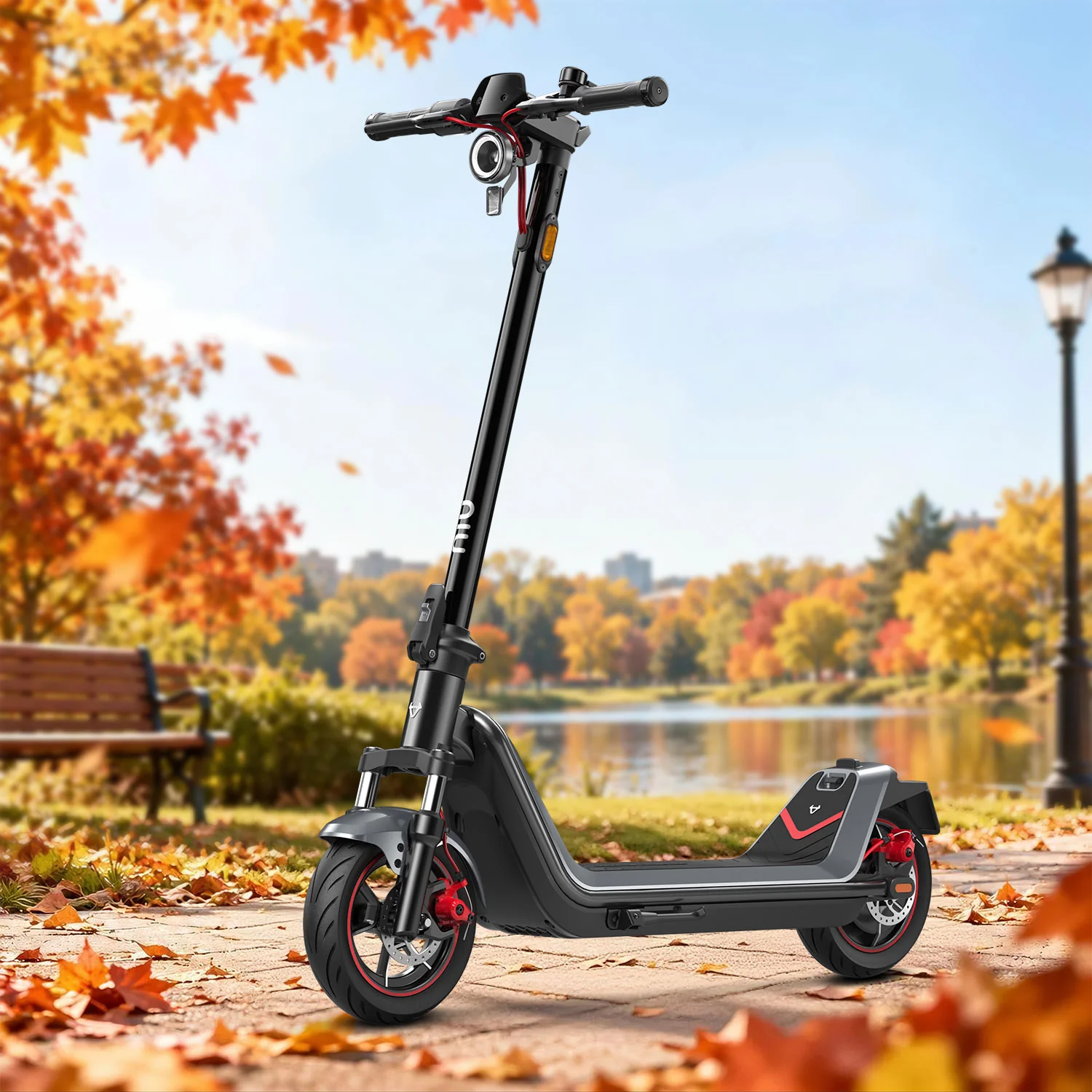
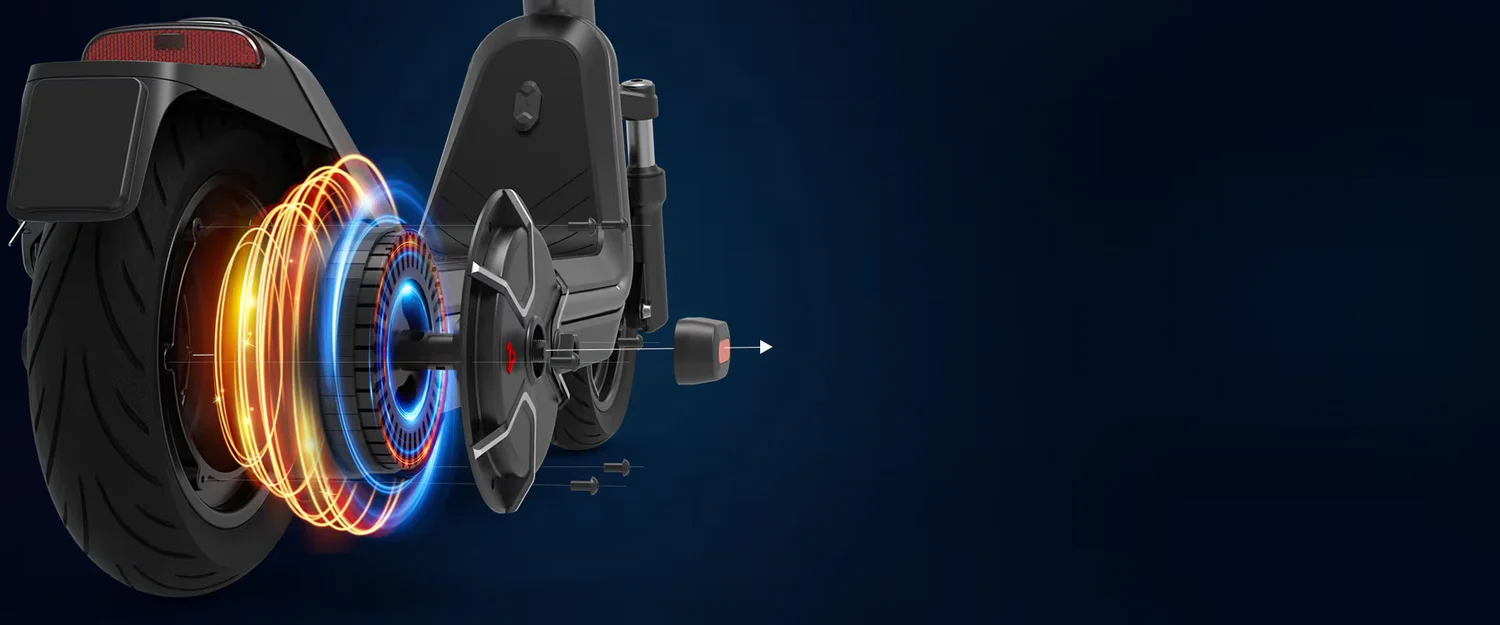
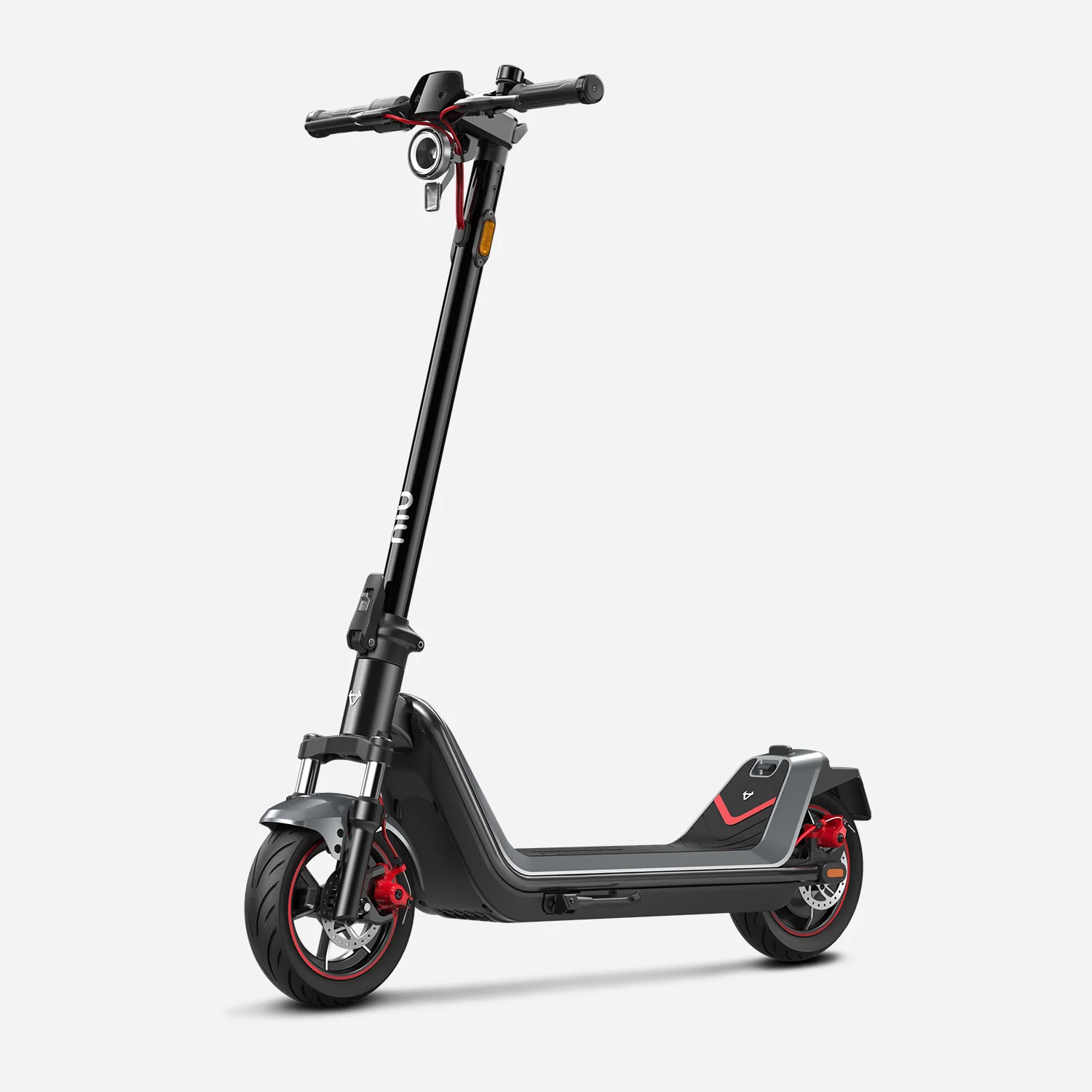
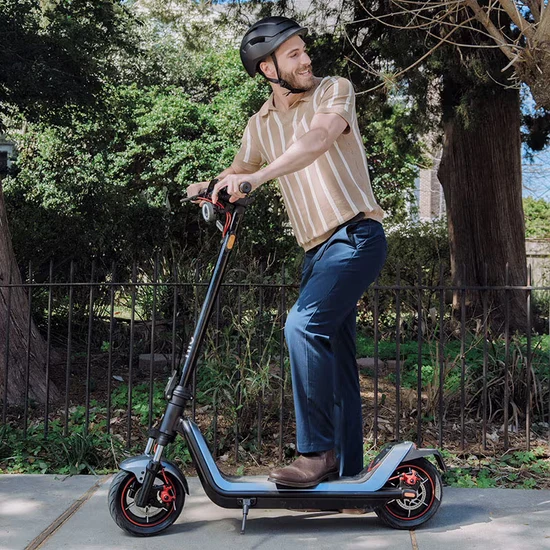
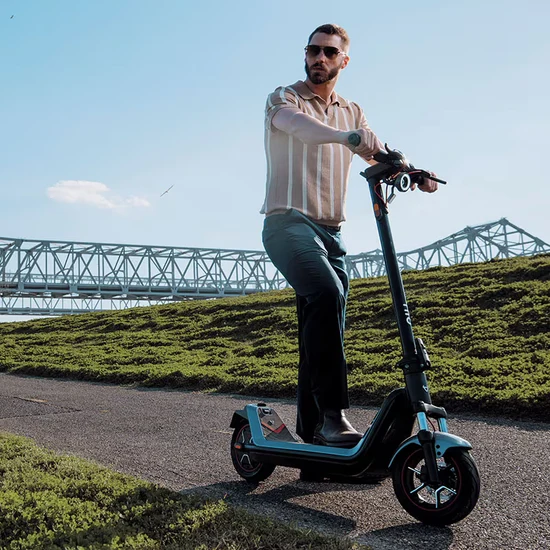
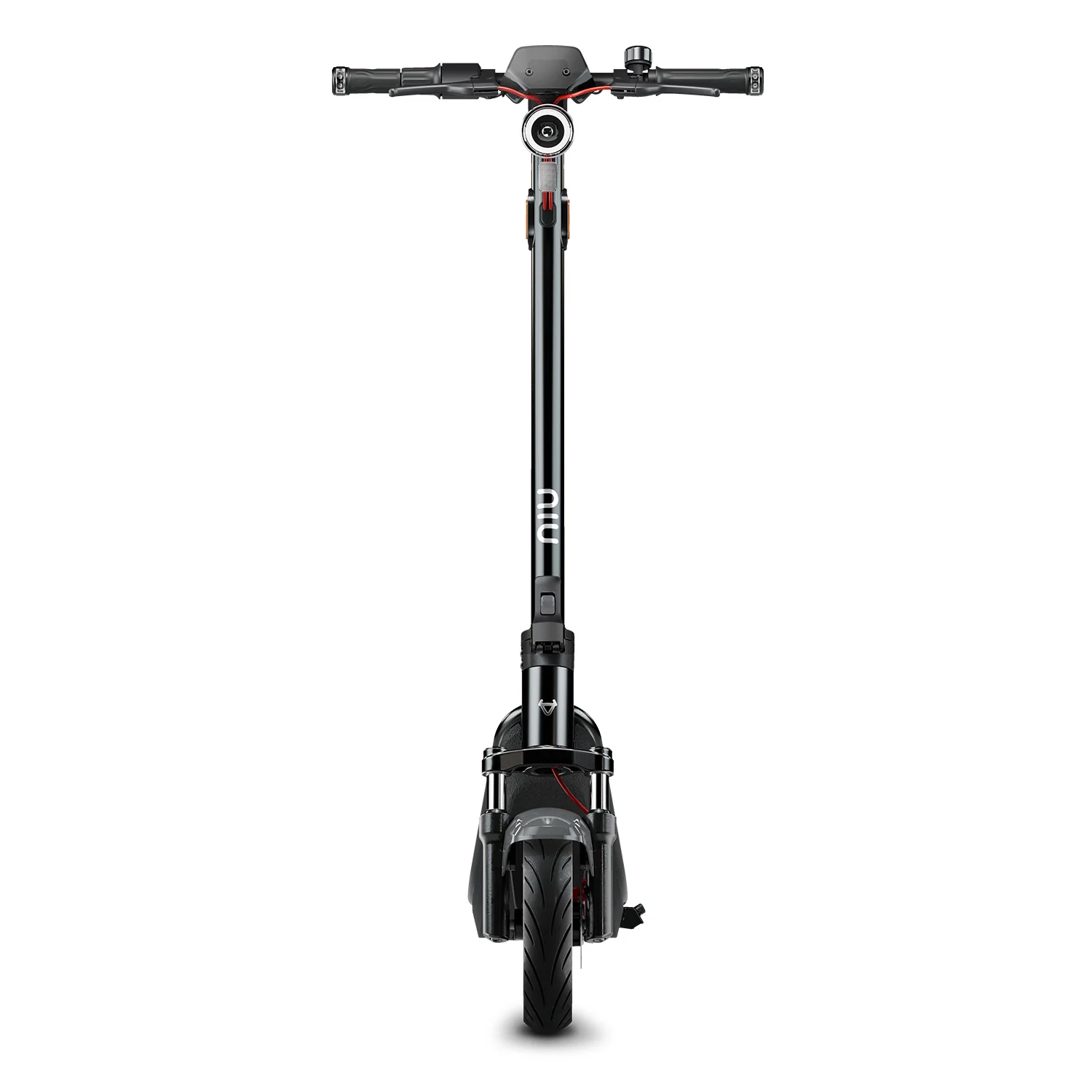
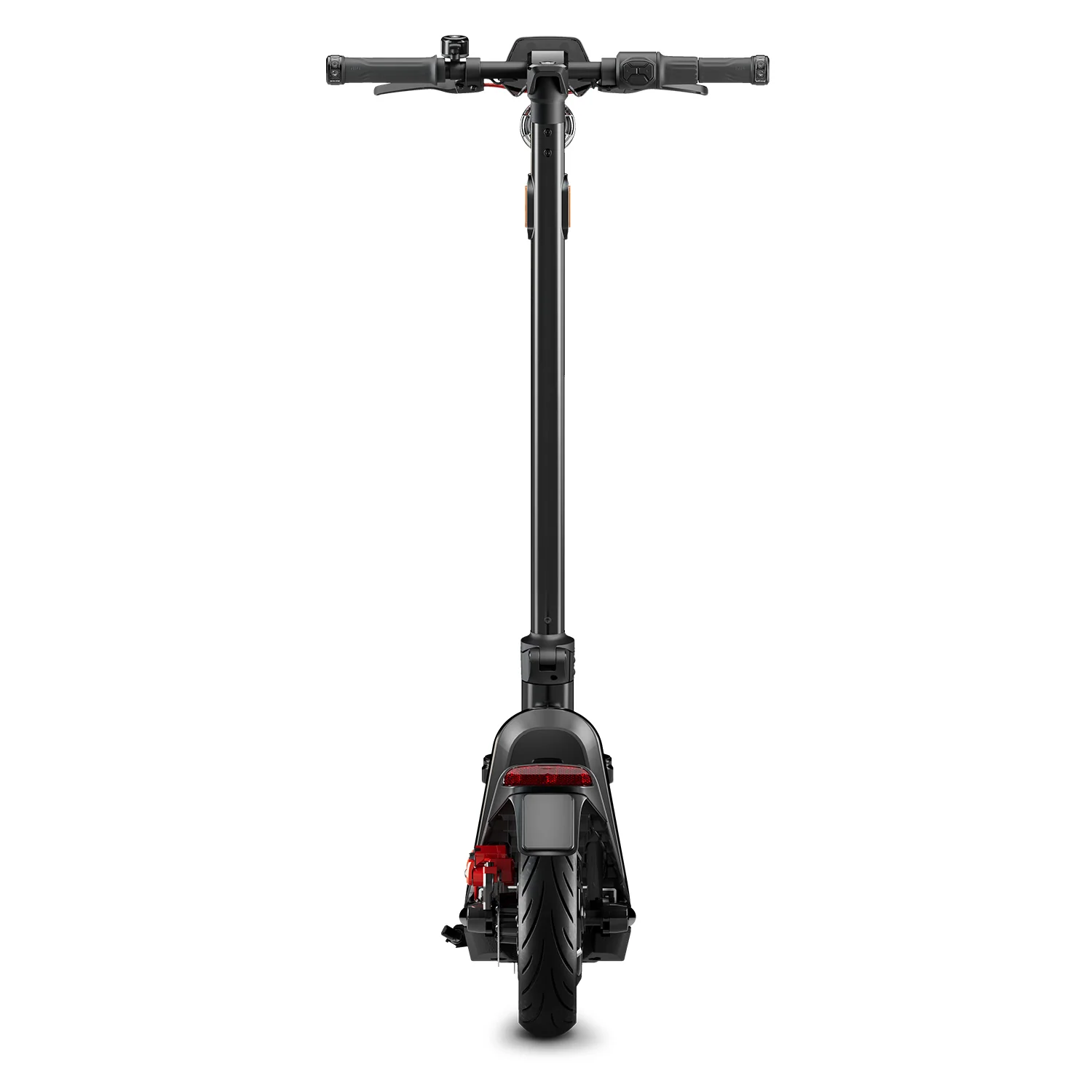
The NIU KQi 300X is interesting because NIU hasn’t concentrated entirely on making the motor number bigger. The European model combines up to 1,000 watts of maximum power with suspension, self-healing tubeless tires and enough battery capacity for a claimed 60 kilometers of range.

NIU KQi 300X Electric Kick Scooter (12)
NIU KQi 300X Electric Kick Scooter

For anyone actually commuting on one, the suspension may matter more than another headline number.

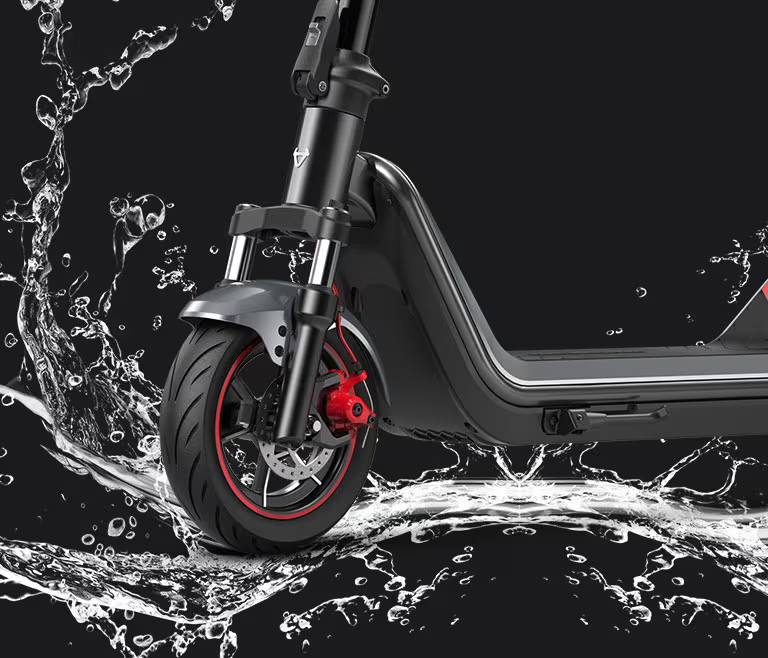
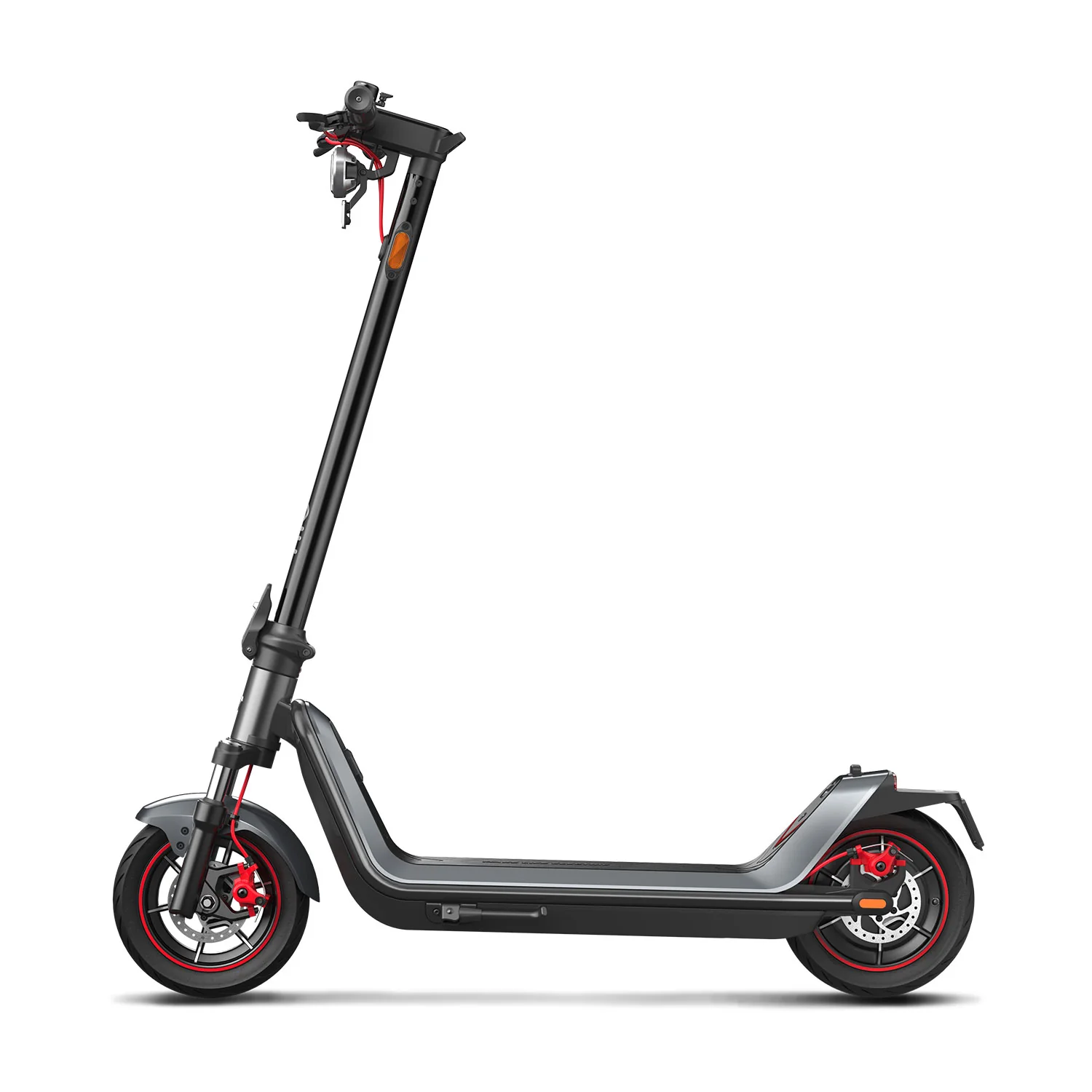
NIU uses a hydraulic system at the front rather than relying entirely on the tires and rider’s knees to absorb bumps. The tires themselves measure 10.5 inches and use a self-healing tubeless design, which should reduce the chances of a small puncture turning the morning commute into an unexpected walk.

The motor is rated at 500 watts, reaching 1,000 watts at peak output.

Because we’re looking at the European version, top speed is limited to 25 km/h. That means the extra motor power isn’t there primarily to create a 50-km/h missile with handlebars. NIU claims the KQi 300X can climb gradients of up to 25 percent, which is a much more useful application if your route isn’t perfectly flat.

NIU KQi 300X Electric Kick Scooter (7)
NIU KQi 300X Electric Kick Scooter

Energy comes from a 608.4-Wh battery, with NIU quoting up to 60 km of maximum range and a charging time of around six hours.

As always with scooter range figures, I’d treat 60 km as the optimistic end rather than planning a 59-km journey and assuming everything will work out beautifully.

Rider weight, temperature, hills, tire pressure, wind and riding speed all affect what you’ll actually see.

The KQi 300X itself weighs 22.1 kg.

That number deserves more attention than scooter manufacturers usually give it. Twenty-two kilograms isn’t outrageous for this level of battery and hardware, but it’s enough that carrying it up several flights of stairs every evening could become tiresome remarkably quickly.

There’s always a trade-off.

The larger battery that gives you more useful range is the same object you eventually have to carry into the apartment.

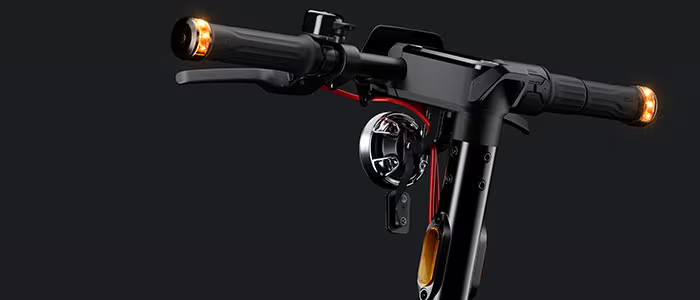
NIU has also given the scooter a wider 54.2-cm handlebar, helping stability, while the folding design keeps it reasonably manageable when it isn’t being ridden.

NIU KQi 300X Electric Kick Scooter (17)
NIU KQi 300X Electric Kick Scooter

At the time of checking, NIU’s European store lists the KQi 300X at €589, reduced from €799. Prices and promotions obviously change, so that figure shouldn’t be treated as permanent.

What makes the 300X appealing isn’t one spectacular specification.

A 25-km/h European scooter doesn’t need absurd acceleration. It needs enough torque for hills, enough battery that range anxiety doesn’t begin halfway to work and a chassis that doesn’t punish you because the council forgot to repair the road.

That’s considerably less exciting than claiming 3,000 watts. After ten kilometers over real city pavement, it may also be considerably more important.

Categories
NIU News

NIU and Razer Built an Electric Scooter Together – and It’s Exactly as Green as You’d Expect

Electric scooters usually arrive in one of two colors. Black. Or slightly different black.

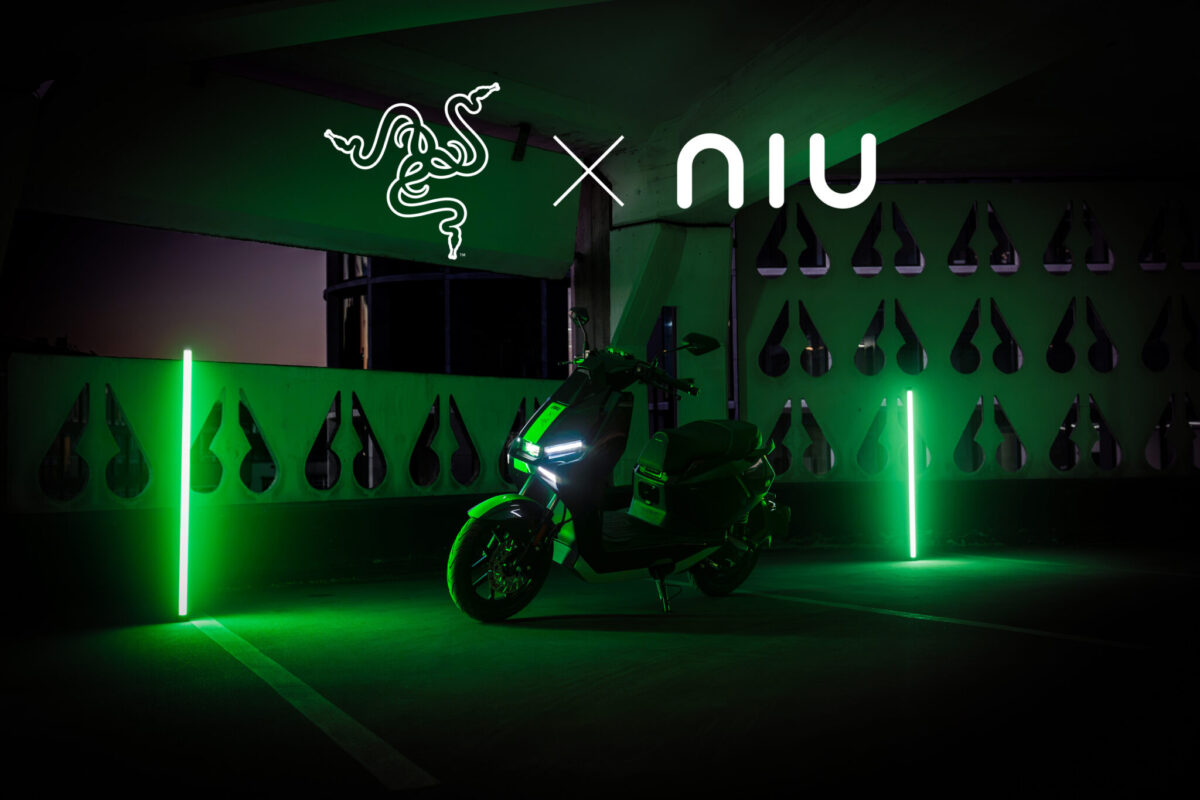
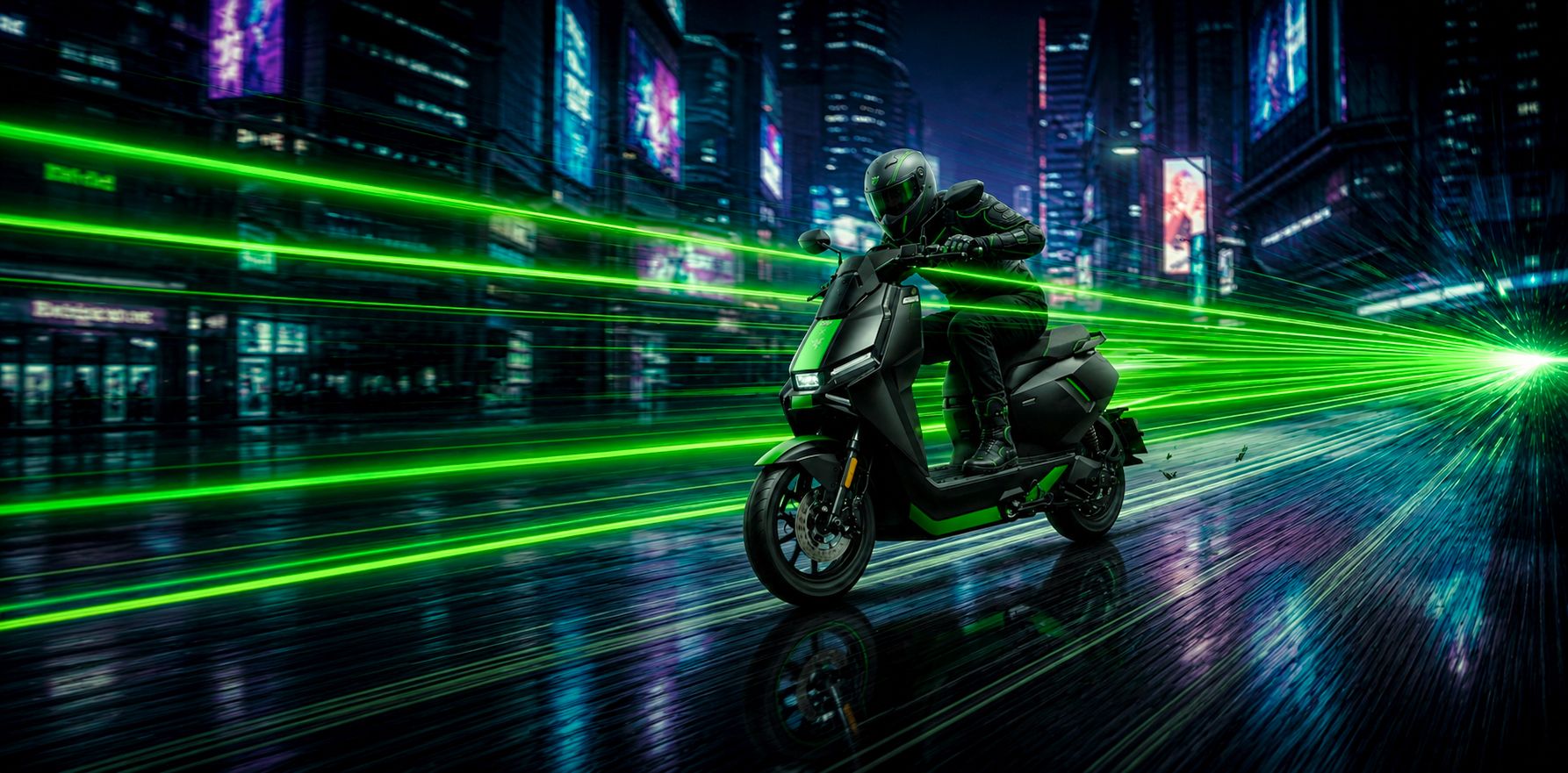
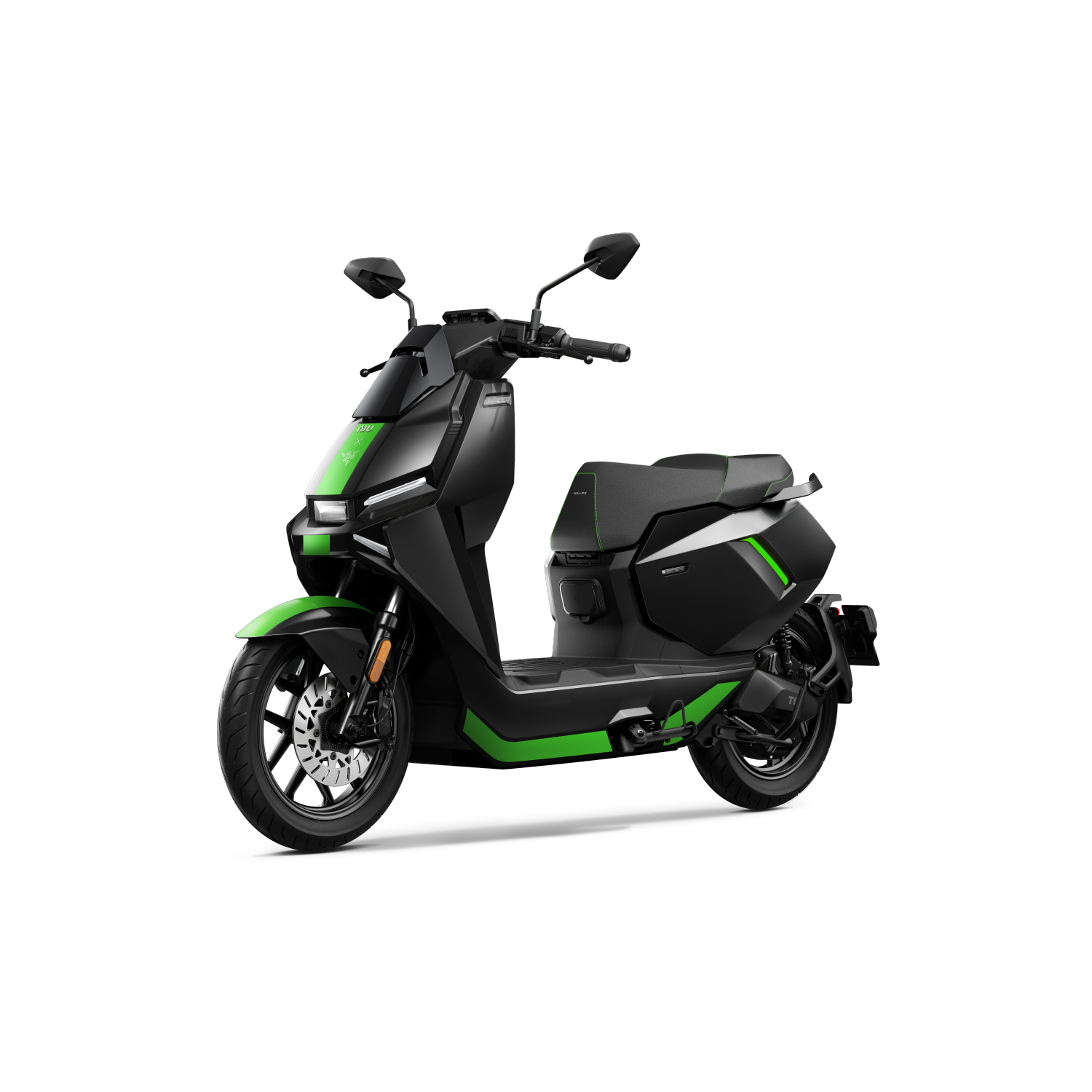
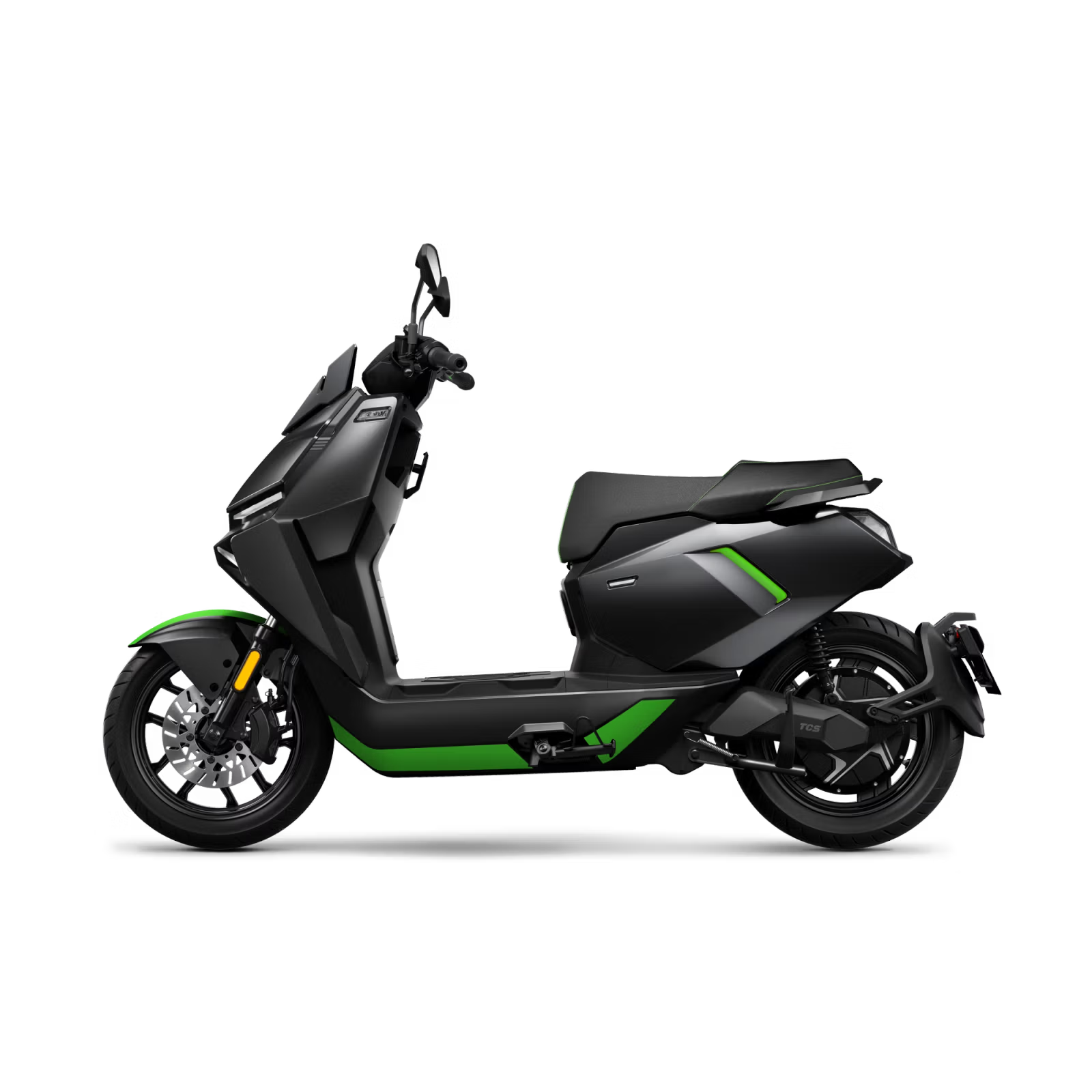
NIU and gaming company Razer clearly decided that wasn’t enough, and the end result is the FQiX × Razer Special Edition, a limited version of NIU’s electric two-wheeler dressed in Razer’s instantly recognizable black-and-neon-green color scheme.

Pre-orders opened on September 2 following the model’s announcement in late August. And yes, it looks like somebody turned a gaming laptop into transportation.

That will either be the entire reason you want one or the reason you immediately close the browser tab.

Underneath the graphics is NIU’s FQiX platform rather than an entirely new machine developed specifically for the collaboration. That’s probably sensible.

FQiX 150
FQiX 150

Special editions frequently become less convincing when manufacturers try to invent technical reasons for what is fundamentally a styling exercise. Here, the attraction is straightforward: take an established NIU electric scooter and make it look like a Razer product.

There is actually some logic to the partnership as both brands target relatively young, technology-focused customers. NIU has spent years pushing connectivity and smart functions as part of its electric two-wheelers, while Razer built its reputation around gaming hardware, distinctive design and an almost impossible-to-miss green logo.

Put the two audiences together and the crossover starts making sense. The timing is interesting, too.

Electric scooters and mopeds are becoming much more sophisticated than the simple battery-and-motor machines that helped establish the category.

NIU’s current NQiX family, for example, offers connected functions, TFT displays and increasingly serious performance. The NQiX 300 reaches 80 km/h and offers up to 120 km of claimed range, showing how far the company’s urban electric products have moved beyond basic low-speed mobility.

FQiX 300
FQiX 300

That also changes how these machines are marketed. If an electric two-wheeler is merely cheap transport, buyers mostly care about range, price and whether it gets them to work.

Once prices and technology increase, design starts mattering more. And people will begin buying them because they actually want the product, not simply because running costs are low.

And that’s where collaborations like Razer become useful. Nobody needs neon-green detailing to commute. Nobody needs RGB lighting on a computer mouse either, yet Razer built an enormous business around making technology feel personal.

The FQiX Special Edition applies much the same thinking to urban mobility. Whether that makes it better value than the standard machine is another question.

Special editions inevitably ask buyers to place some financial value on exclusivity and appearance, neither of which makes the battery last longer. But at least this collaboration isn’t pretending otherwise.

FQiX 300
FQiX 300

If you already like Razer’s design language, the FQiX suddenly becomes considerably more distinctive than most electric scooters parked beside it. If you don’t, NIU has plenty of less fluorescent alternatives.

Either way, it’s nice to see an electric scooter manufacturer acknowledge that commuting equipment doesn’t have to look like commuting equipment.

Sometimes ridiculous green accents are allowed.