Categories
Segway News

Segway MAX G3 NL Can Finally Be Ridden Legally on Dutch Roads – but You’ll Need a Number Plate

The Netherlands should be an obvious market for electric kick scooters. Cities are compact, cycling infrastructure is excellent and short urban journeys are part of everyday life.

There’s just been one rather large problem. Most eKickScooters haven’t been legal on Dutch public roads.

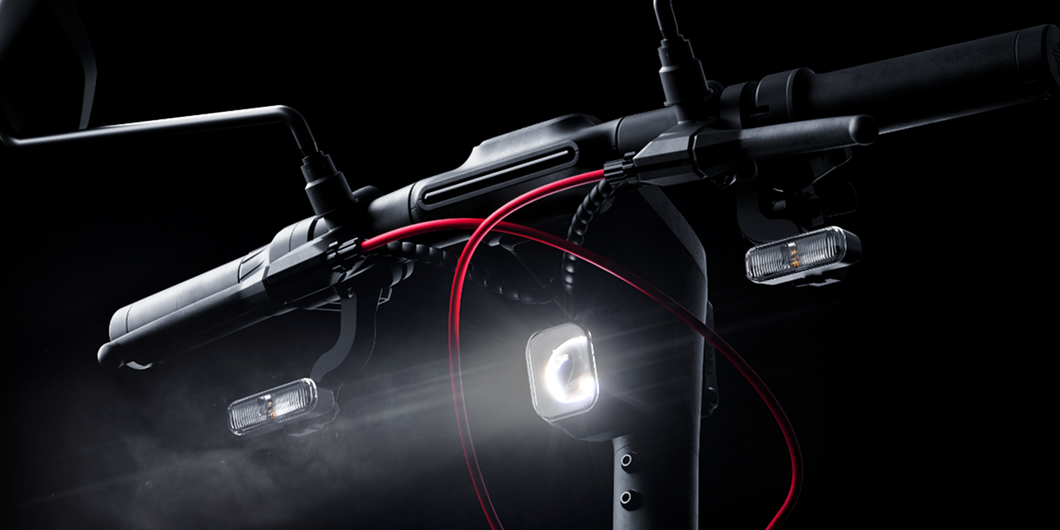
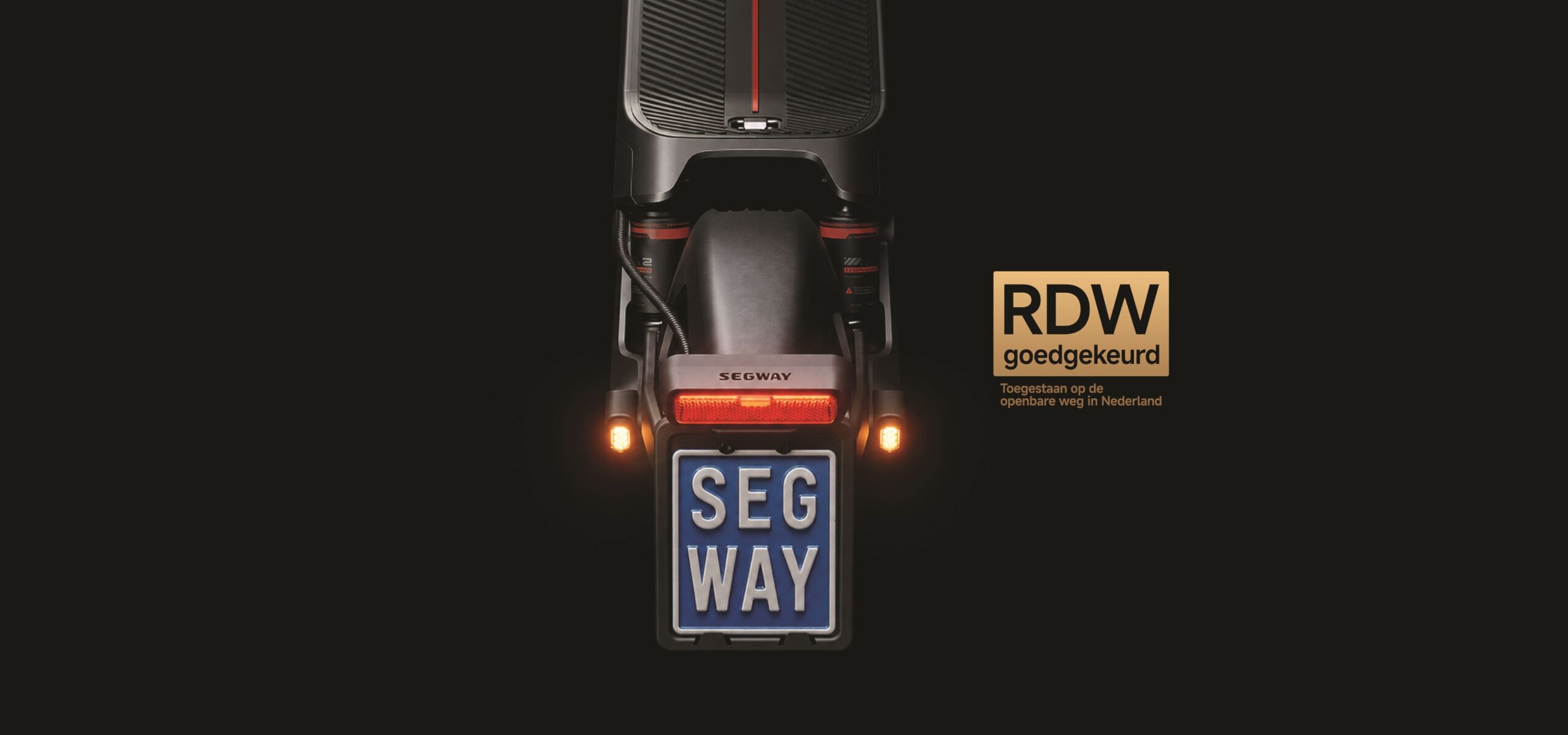
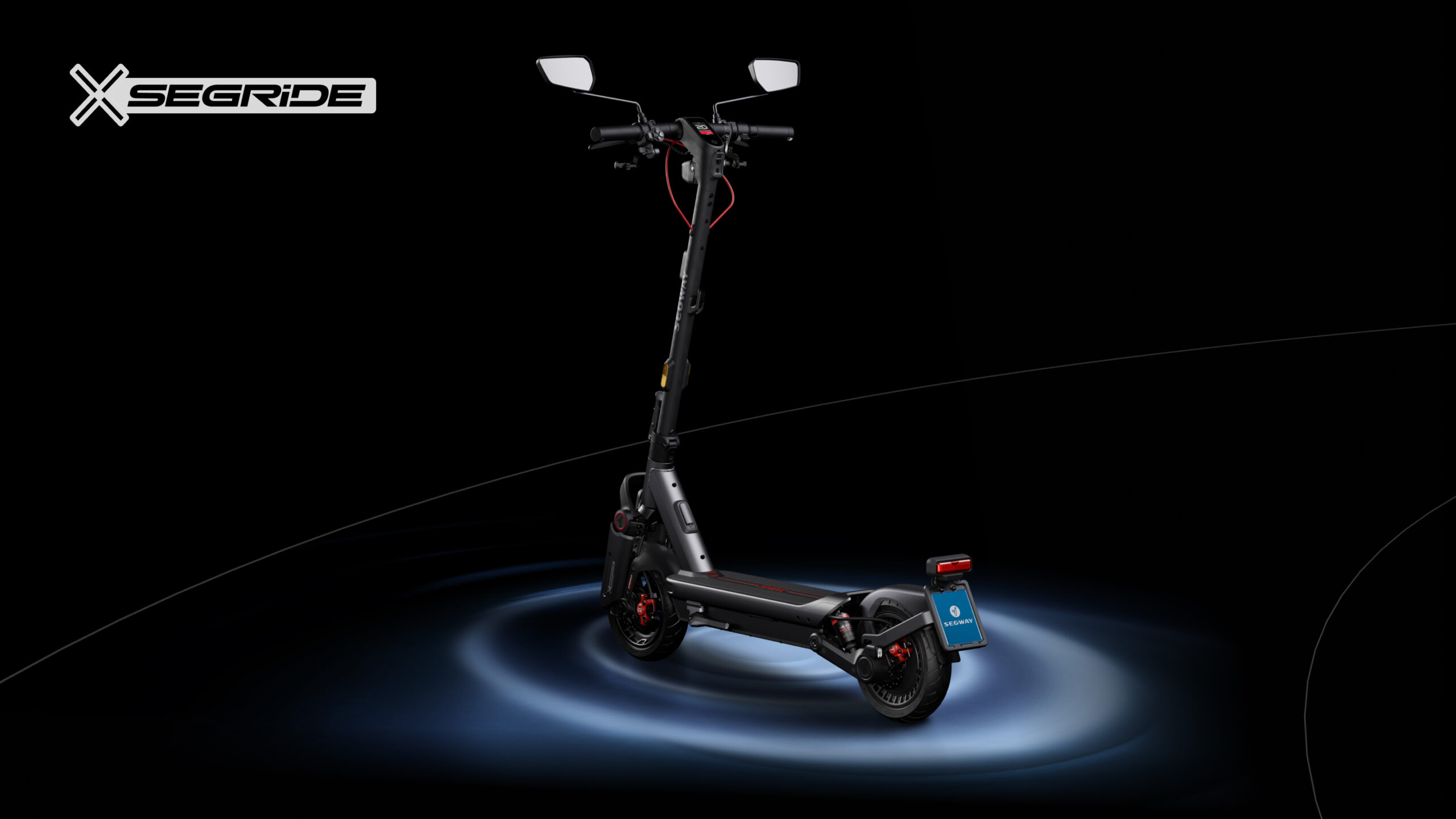
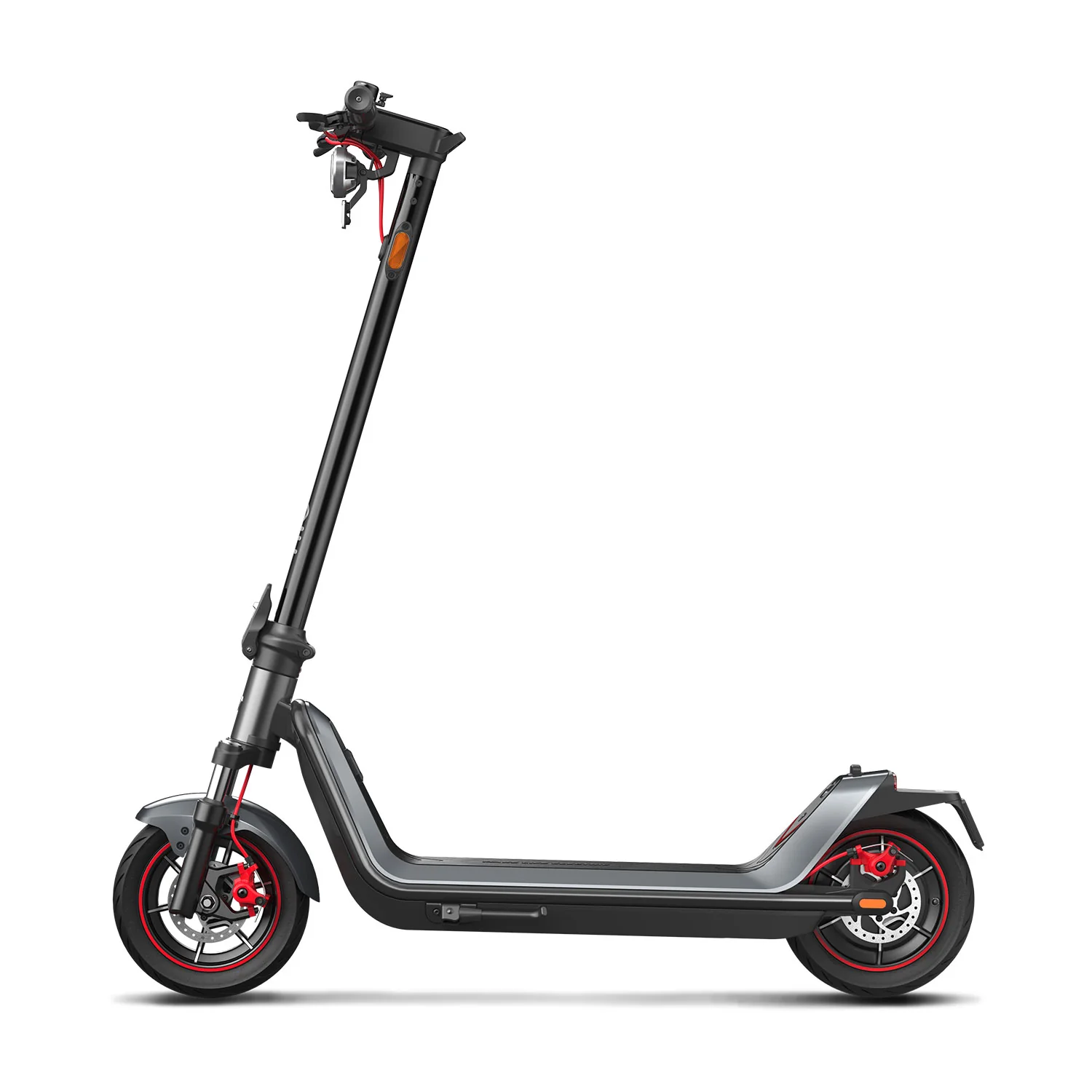
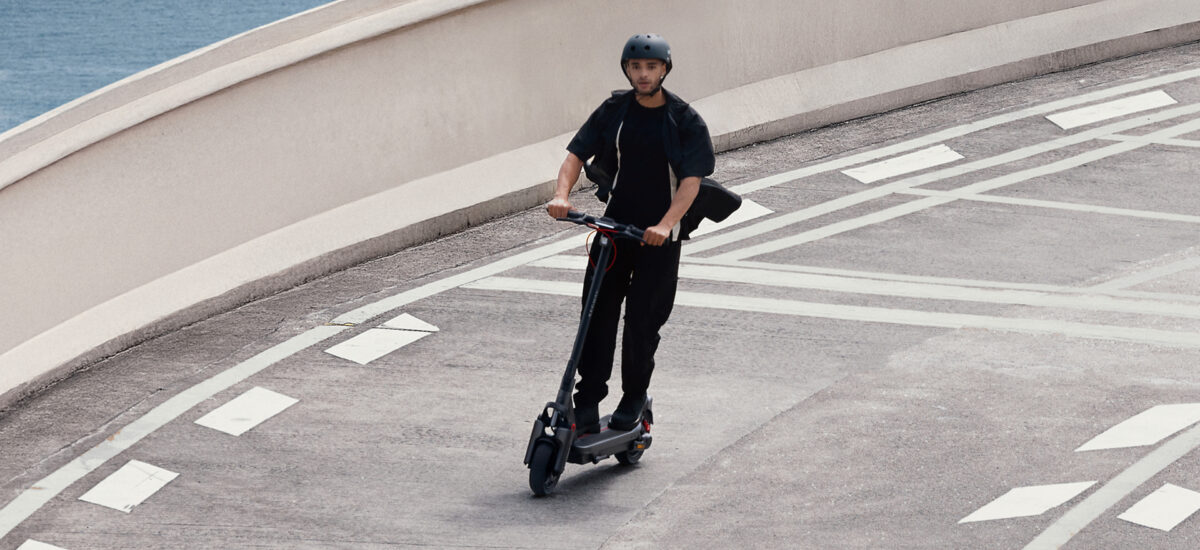
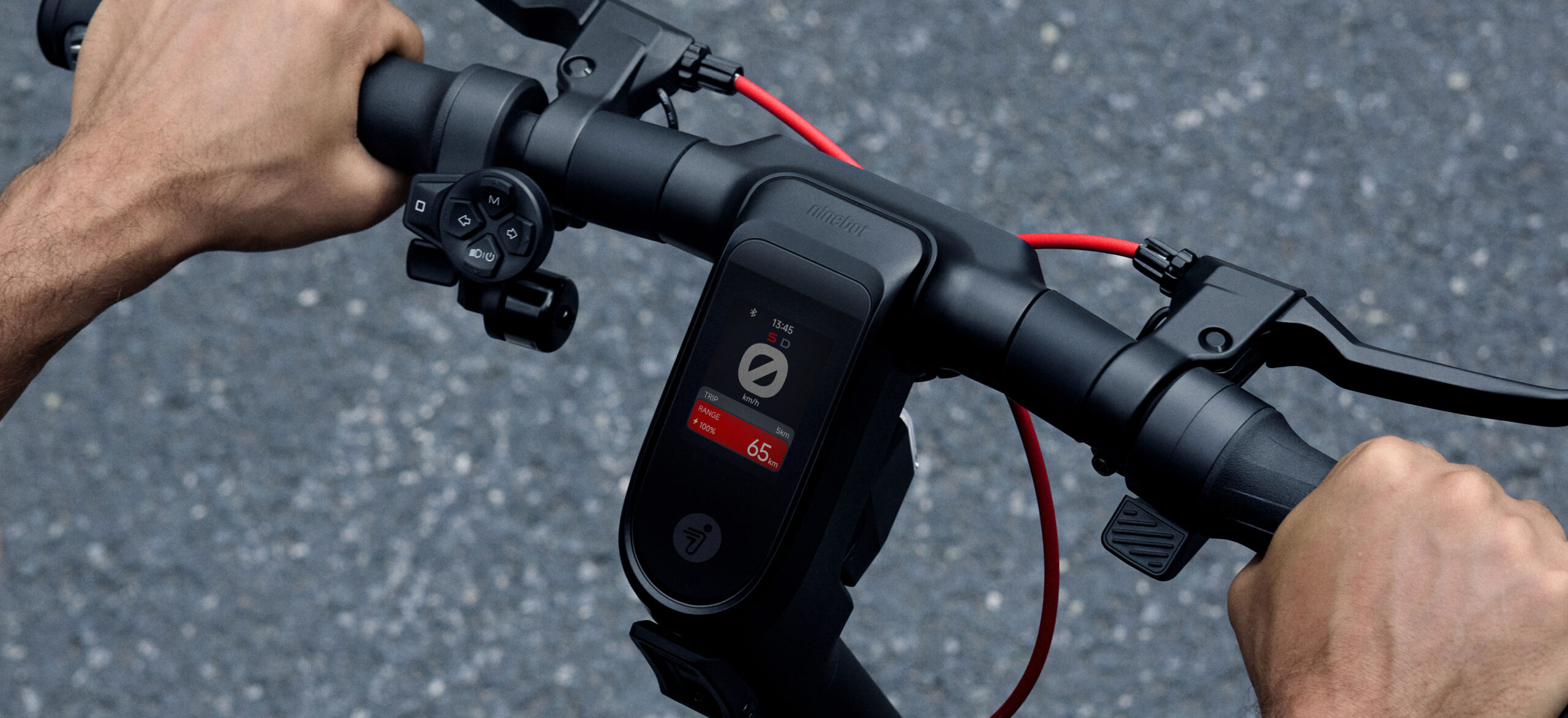
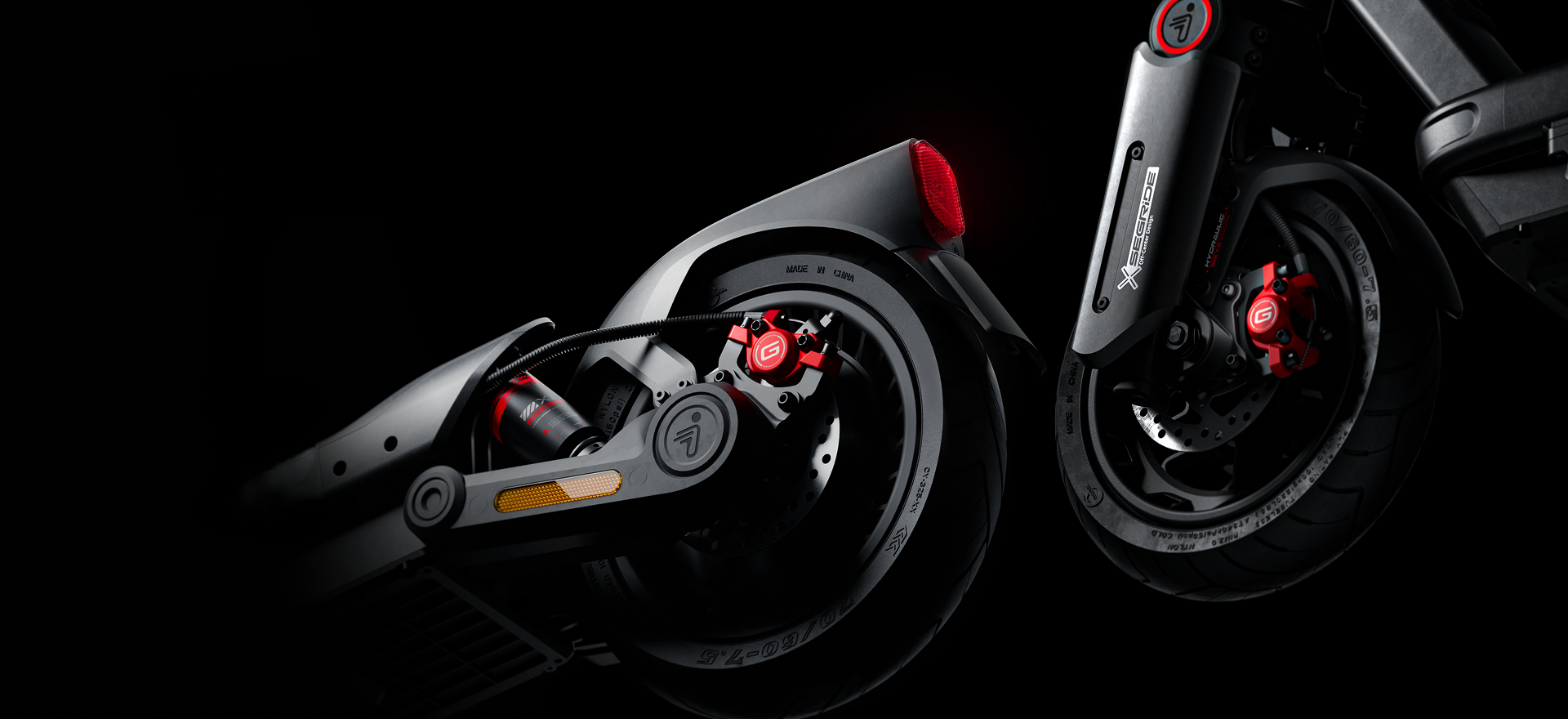
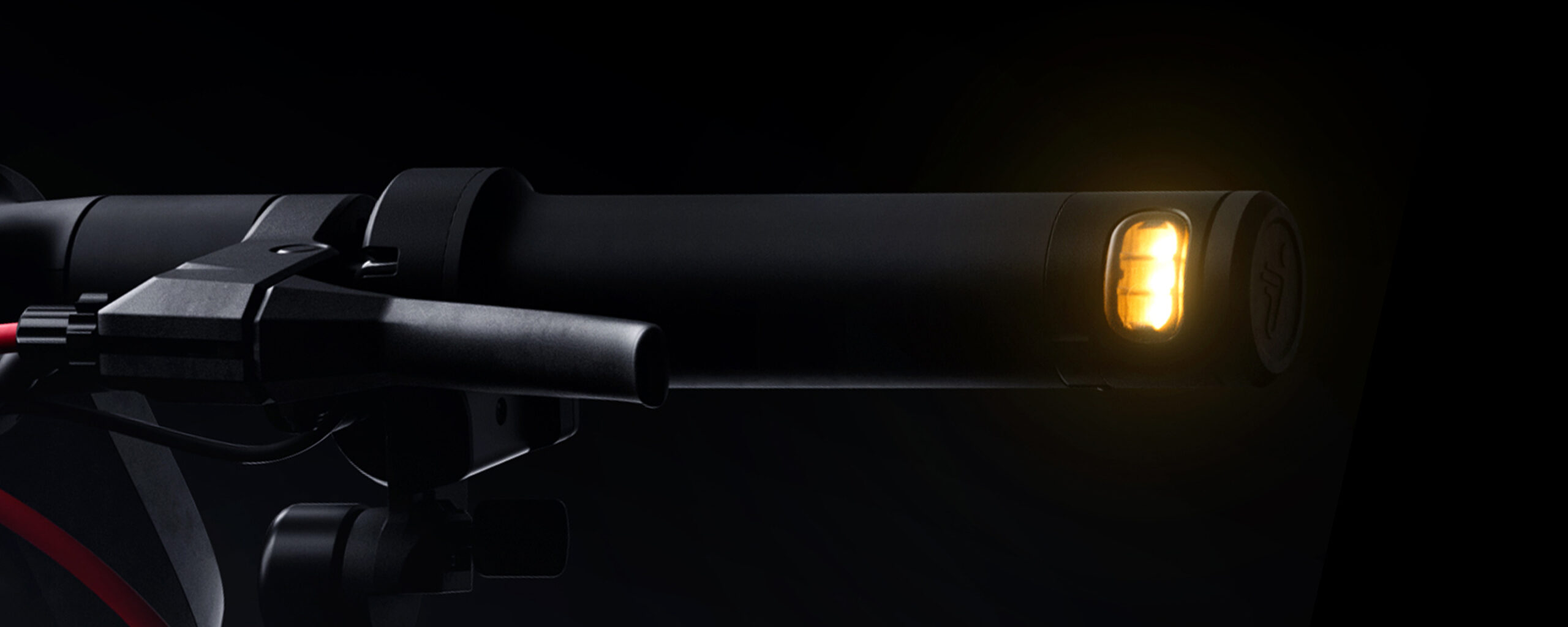
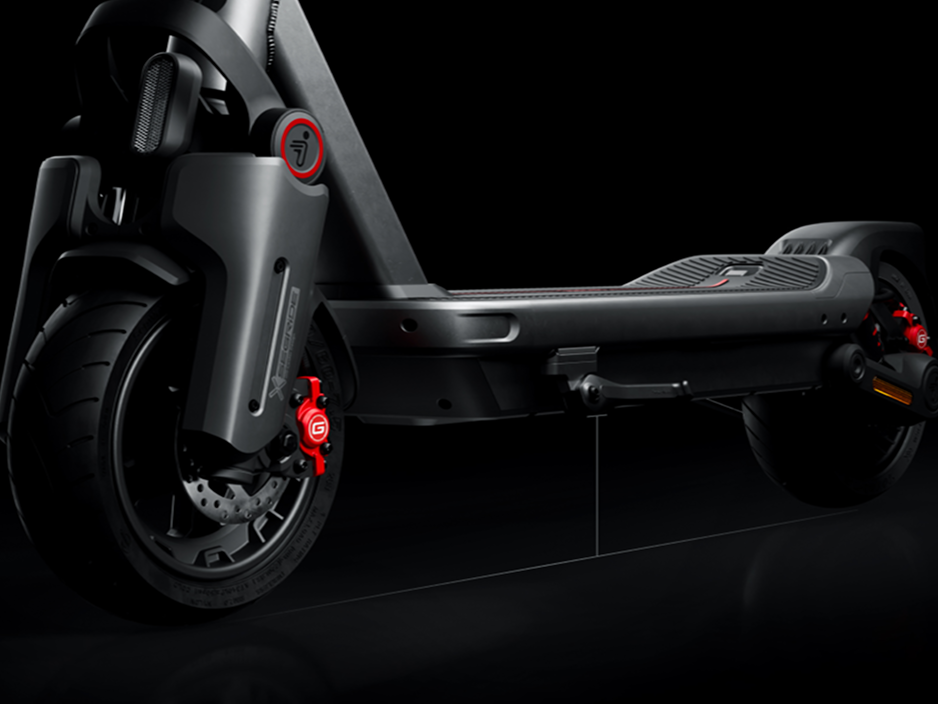
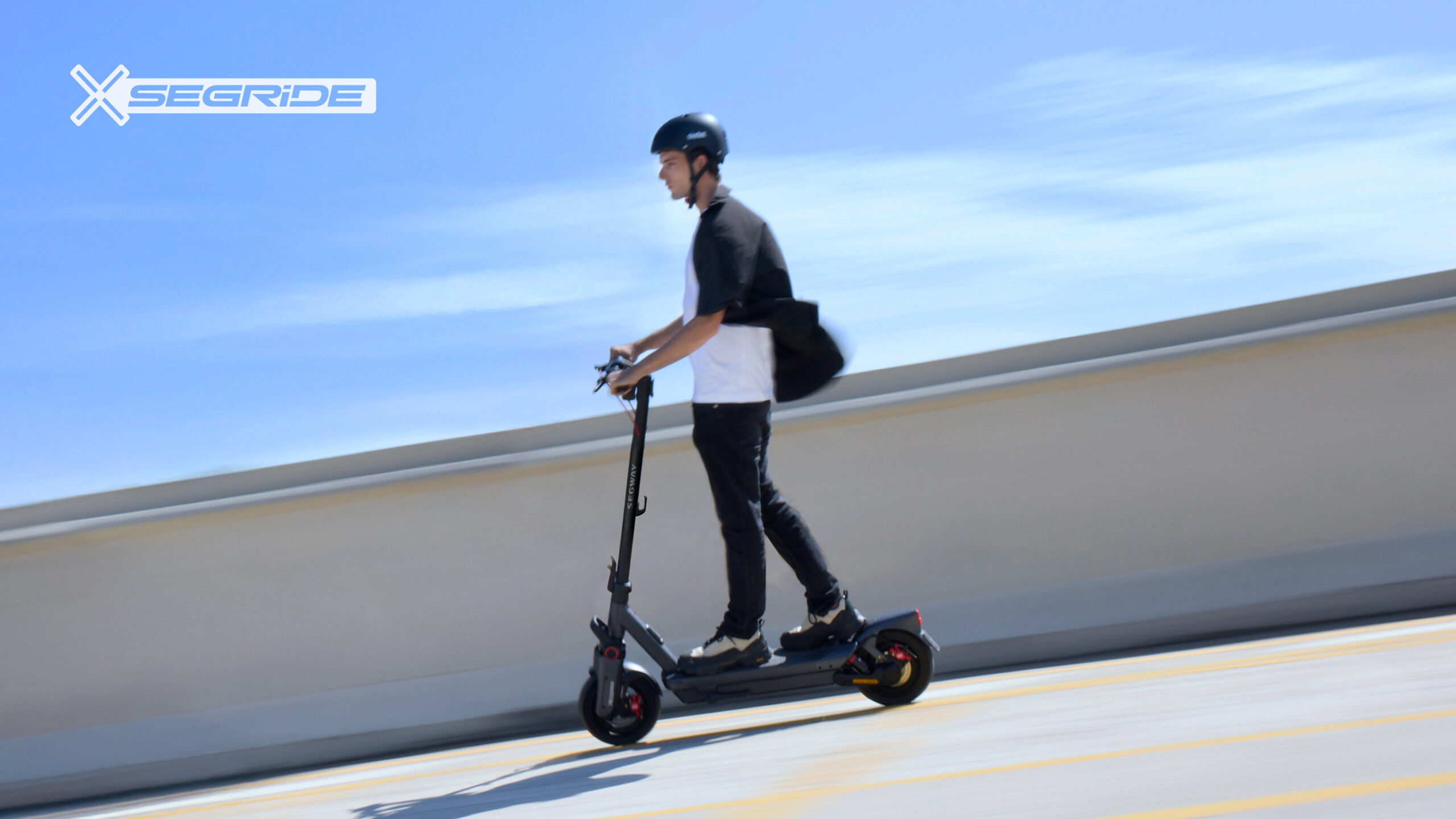
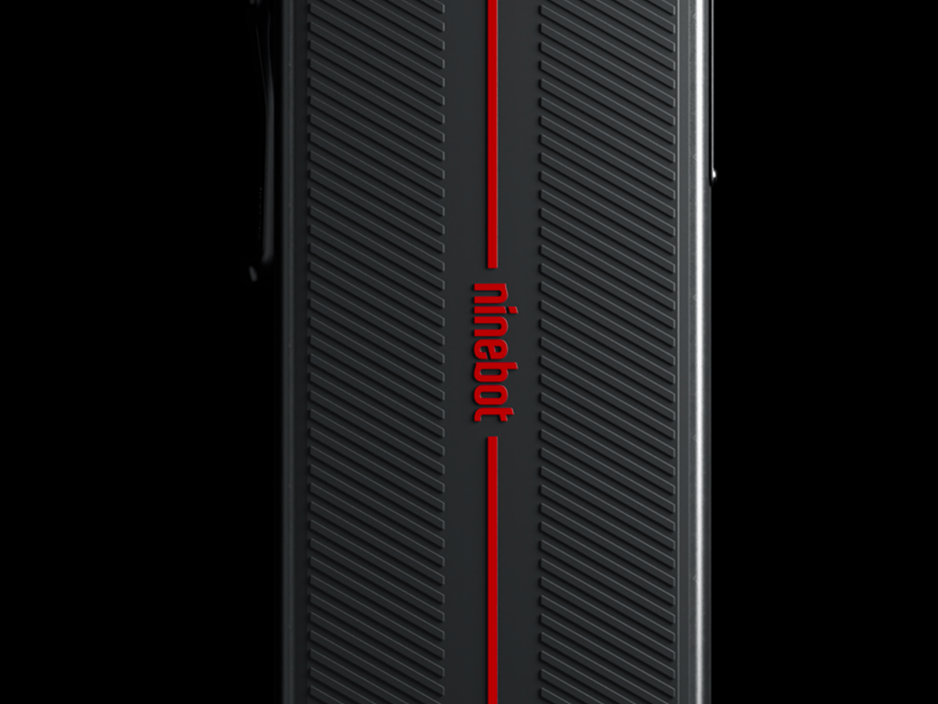
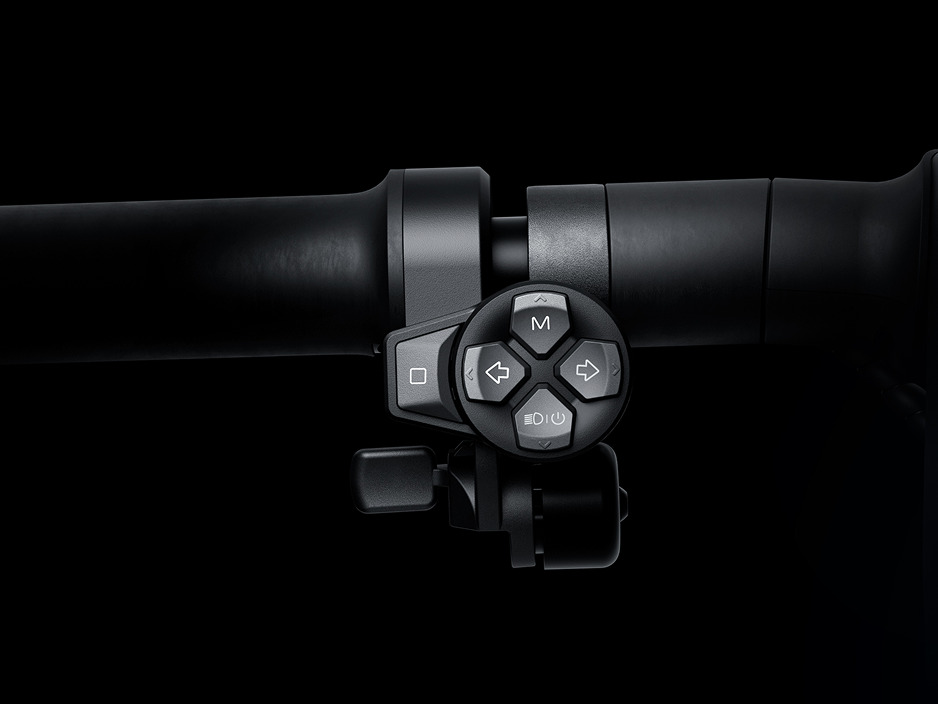
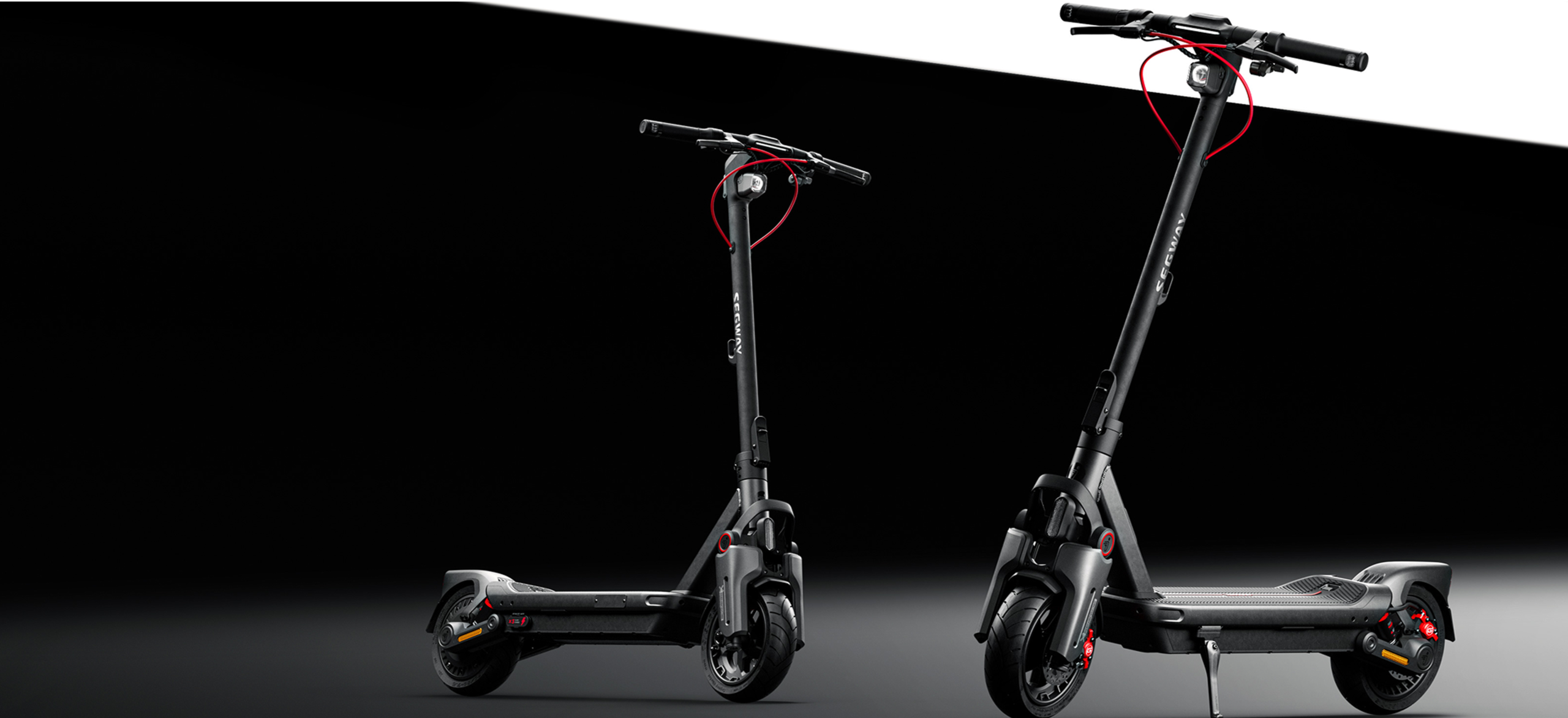
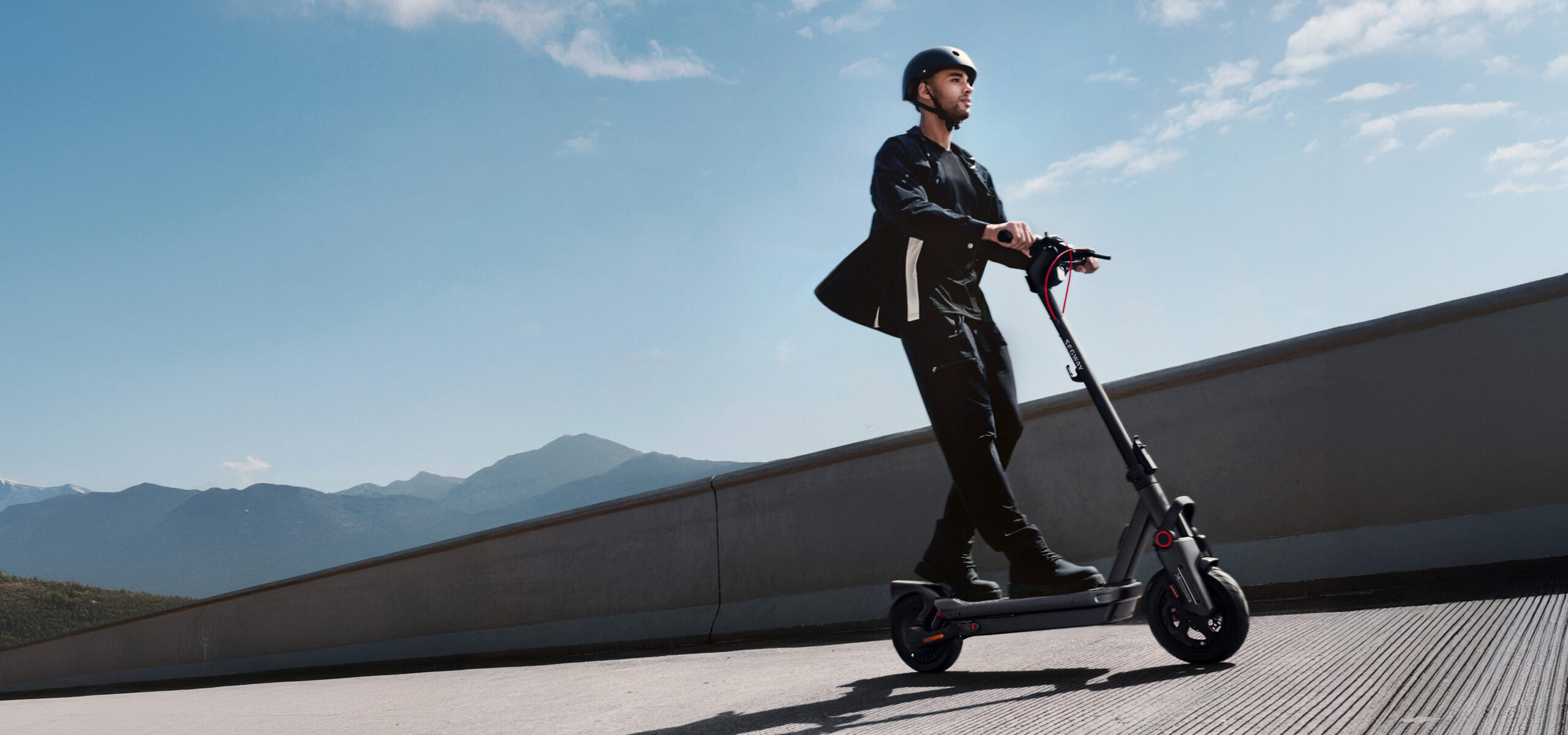
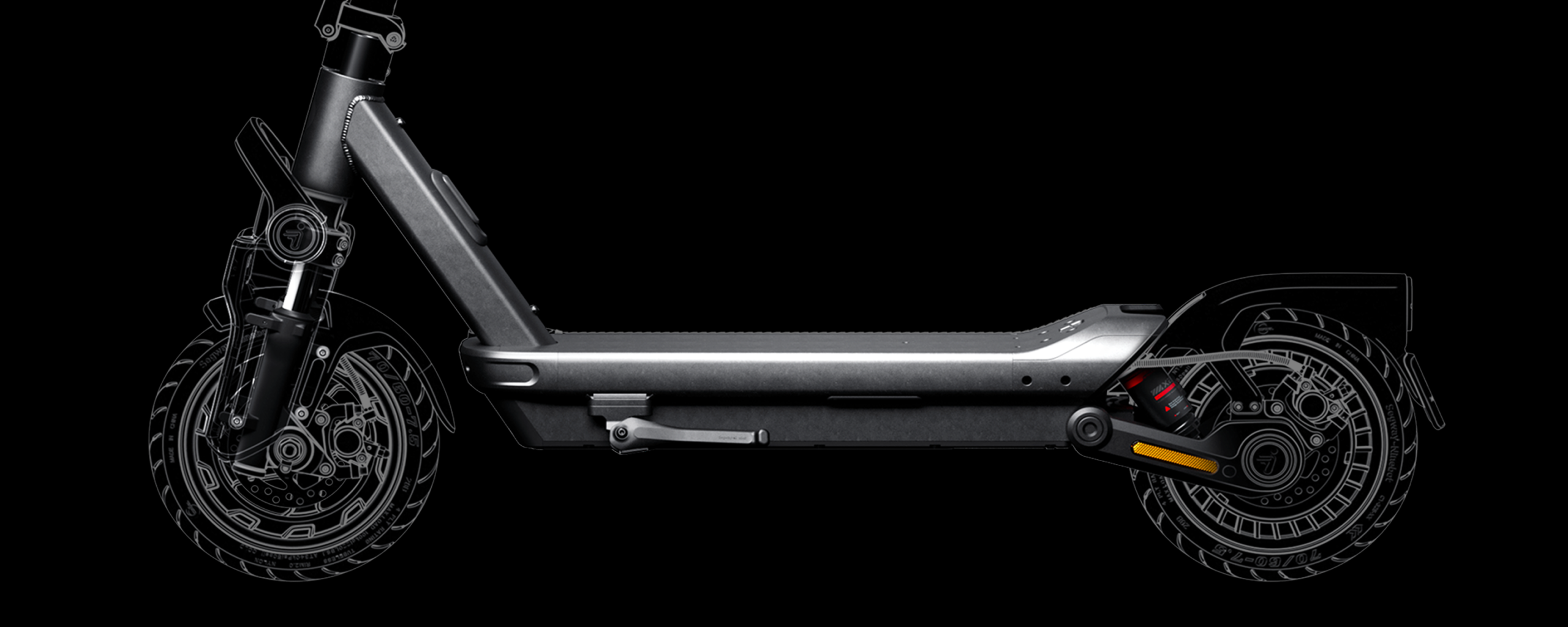
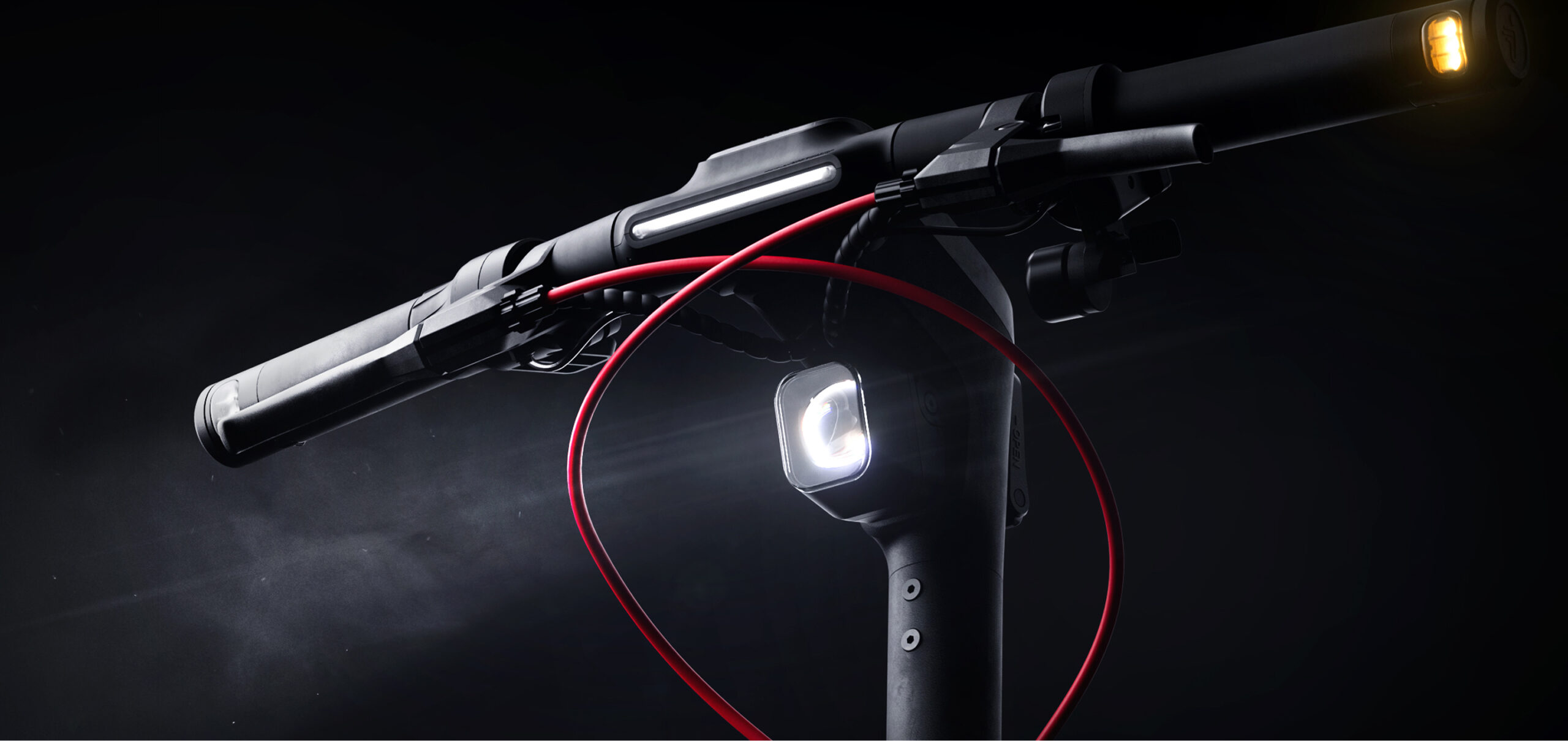
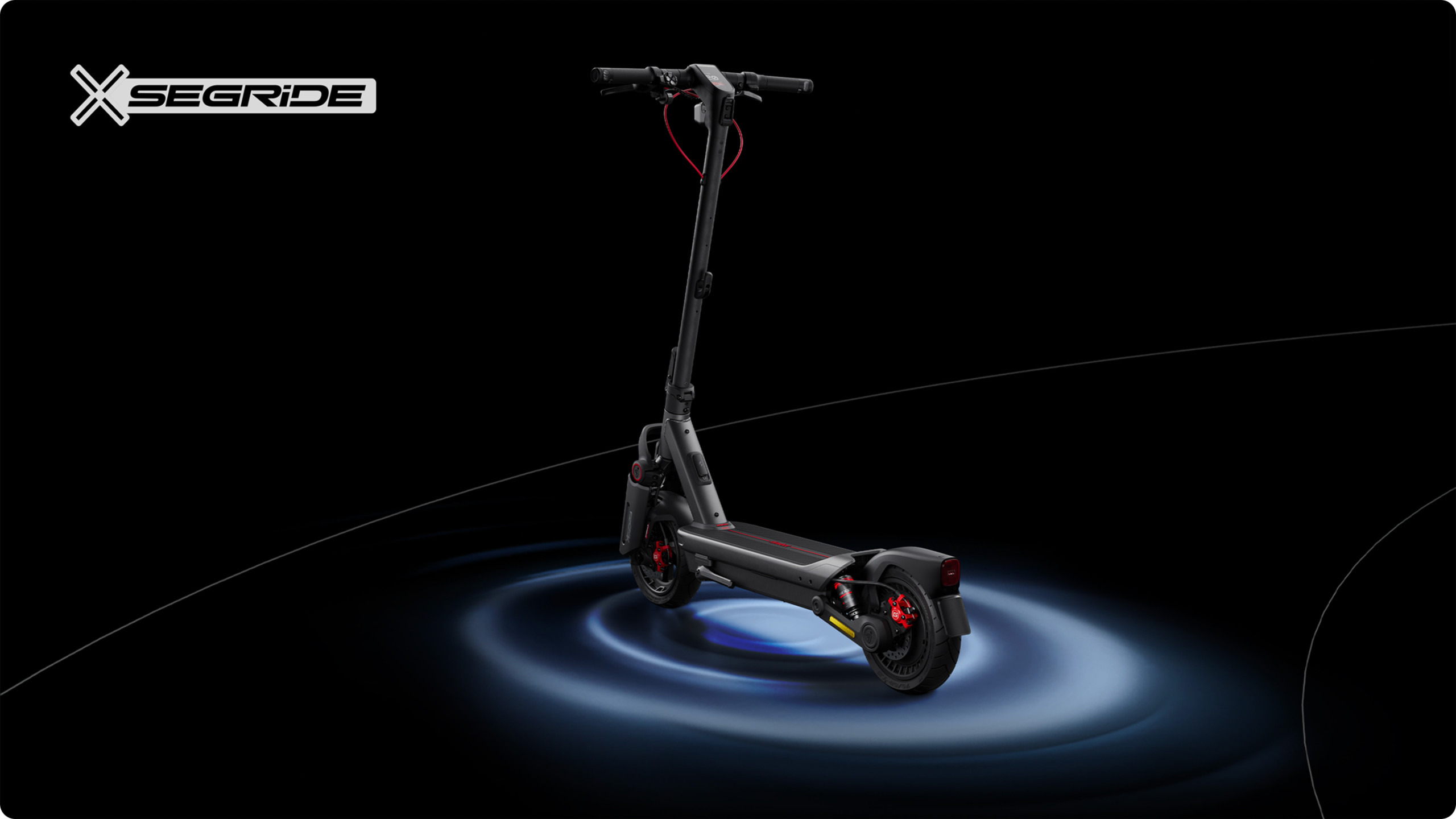
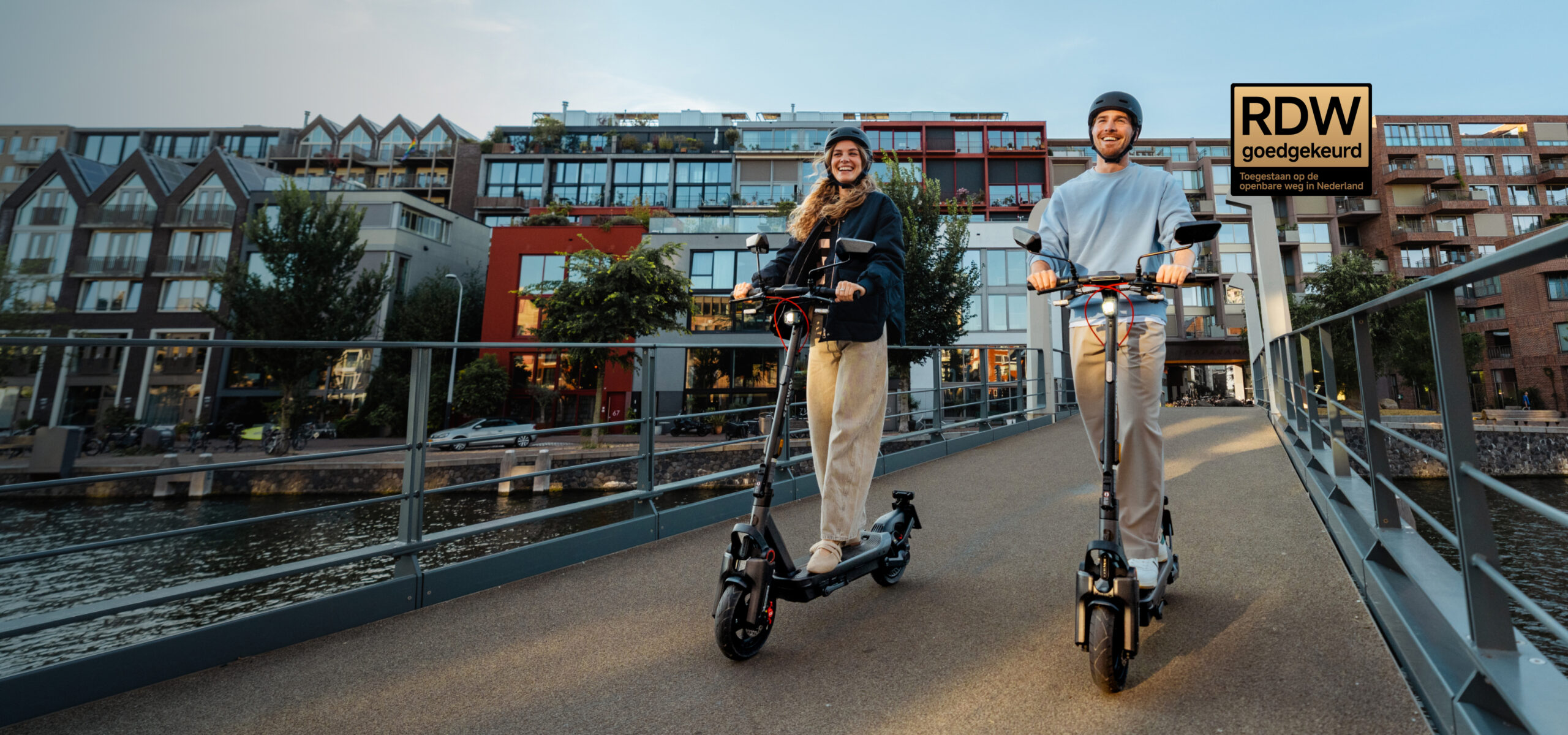
Segway is preparing to change that with the Ninebot MAX G3 NL, its first KickScooter developed specifically to receive approval from the Dutch RDW. The company expects it to reach the Netherlands this autumn at a price of around €1,000.
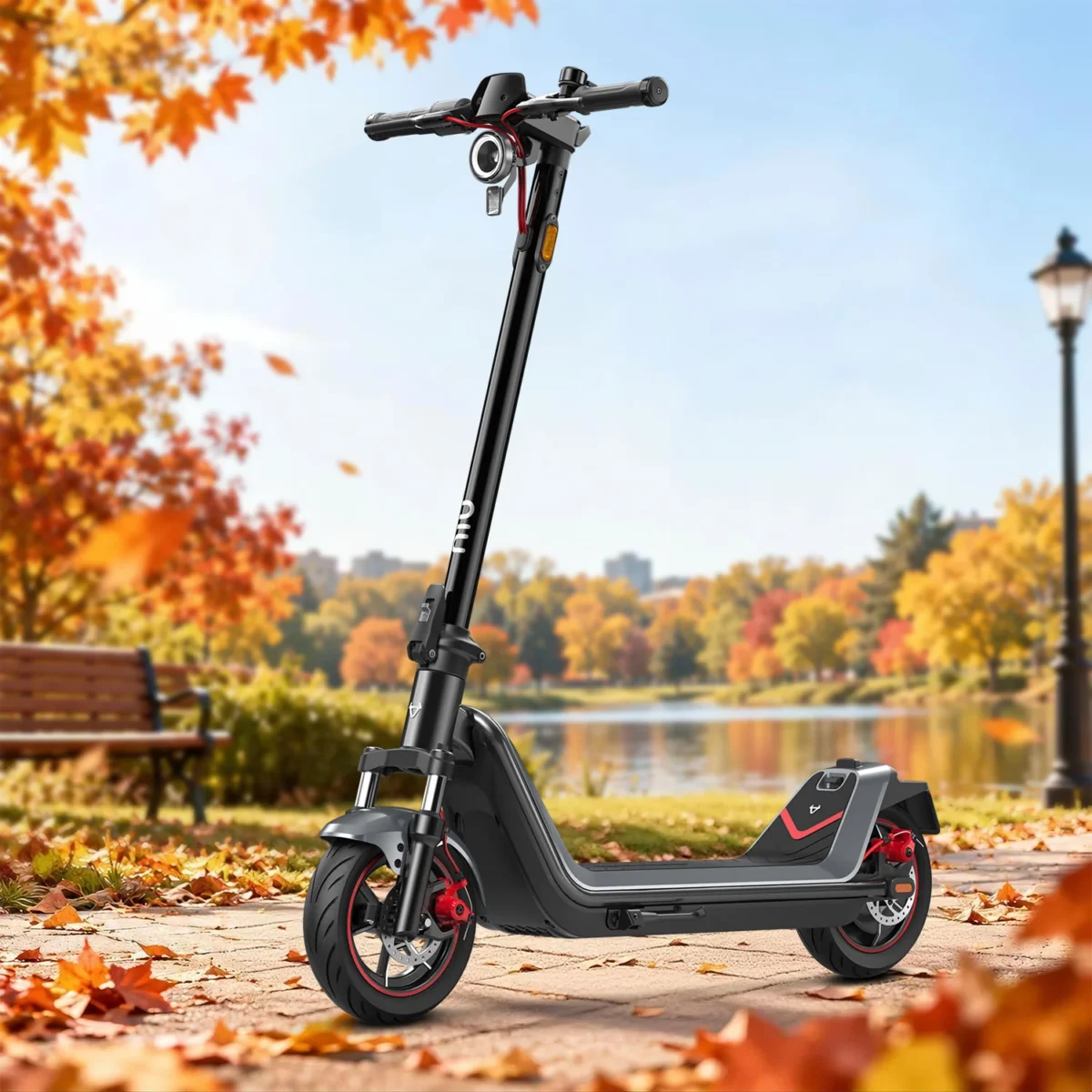
Segway Ninebot MAX G3 NL (9)
Segway Ninebot MAX G3 NL

The interesting part isn’t outright performance. Segway already sells faster and more powerful scooters elsewhere, including other versions of the MAX G3.

This one is about paperwork.

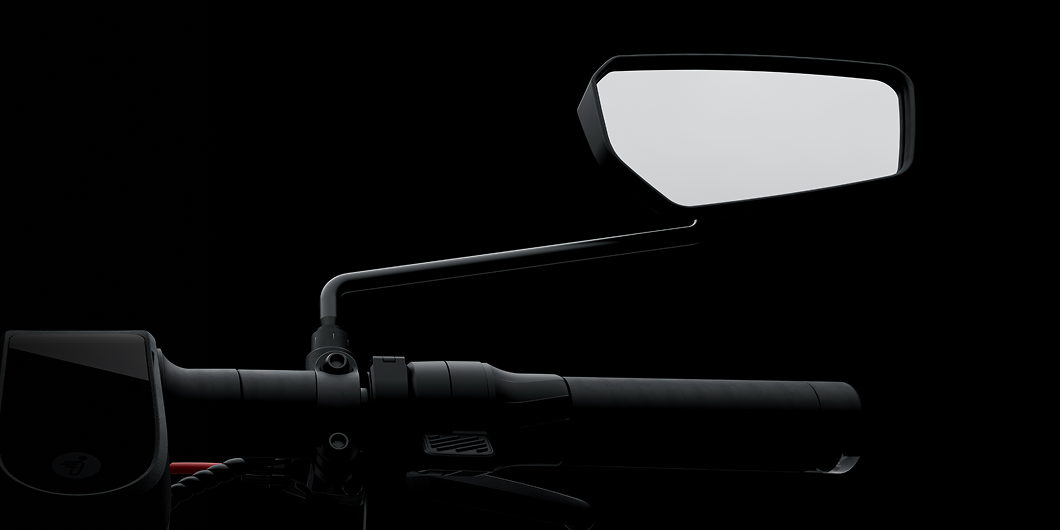
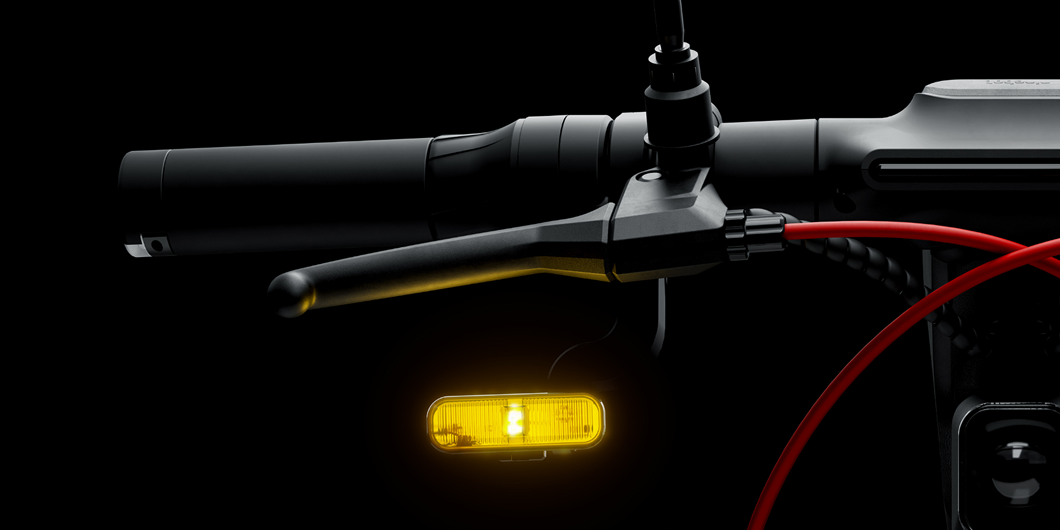
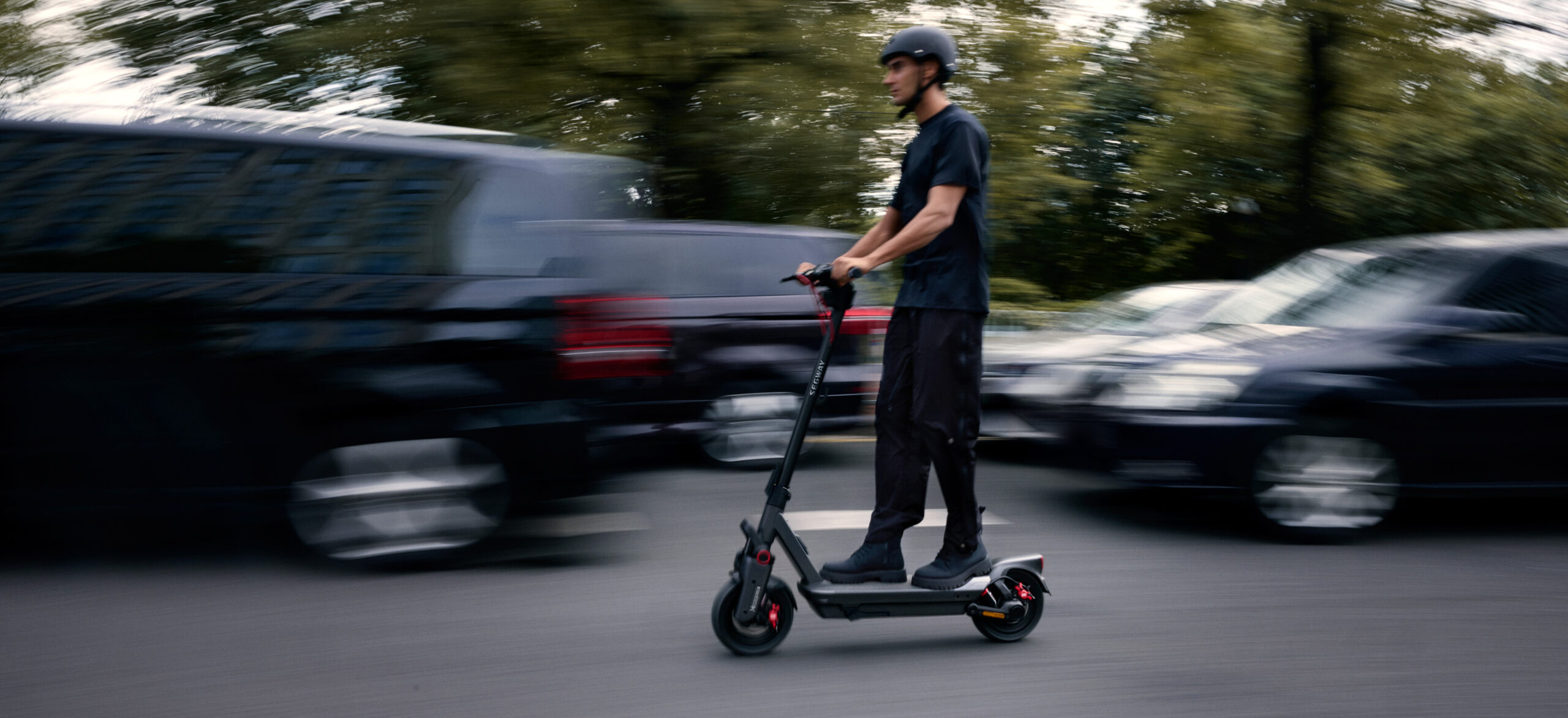
The MAX G3 NL has been adapted to meet Dutch technical and regulatory requirements. Once registered, fitted with a licence plate and insured, it can legally be used on public roads. Riders need to be at least 16 years old, although a driving licence isn’t required.

That makes it a very different proposition from buying an imported scooter and hoping nobody asks too many questions.

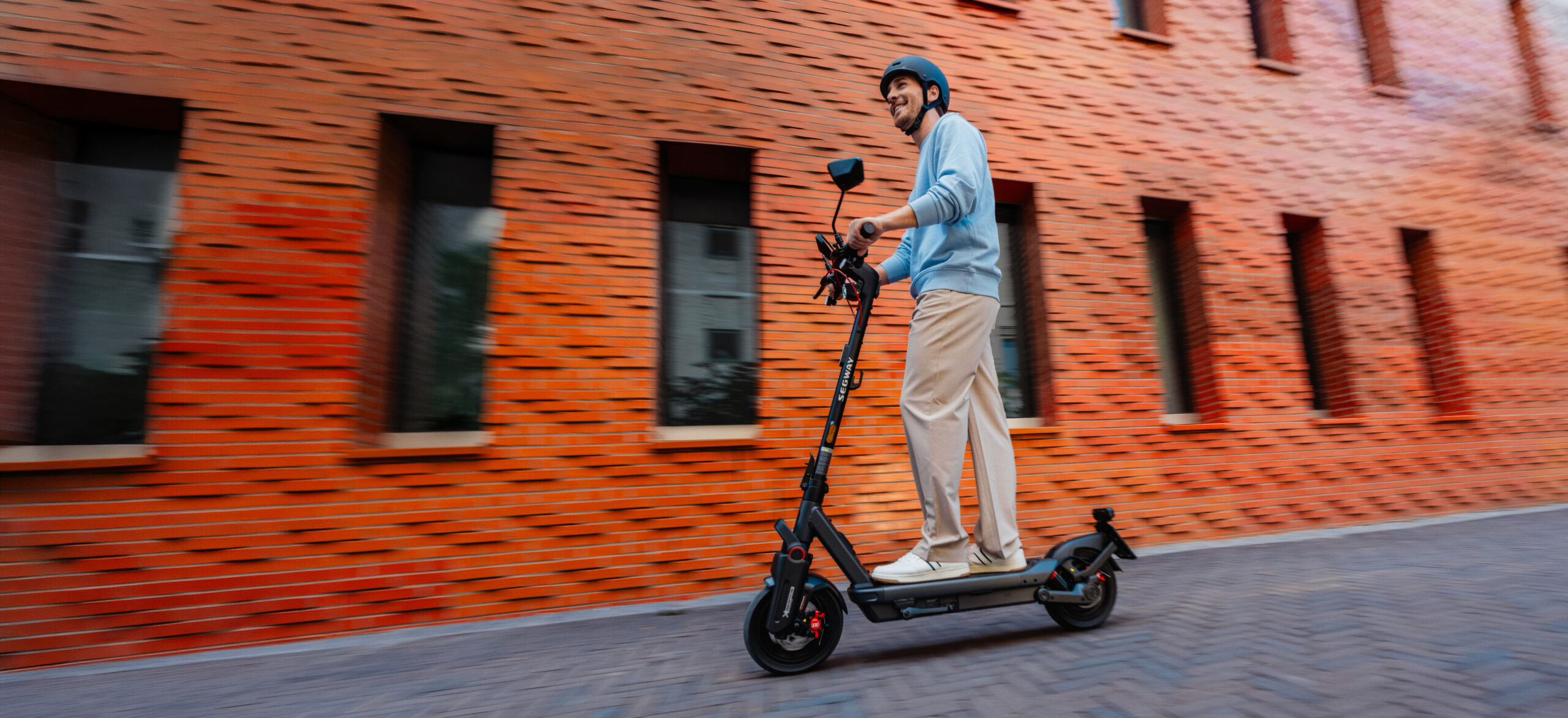
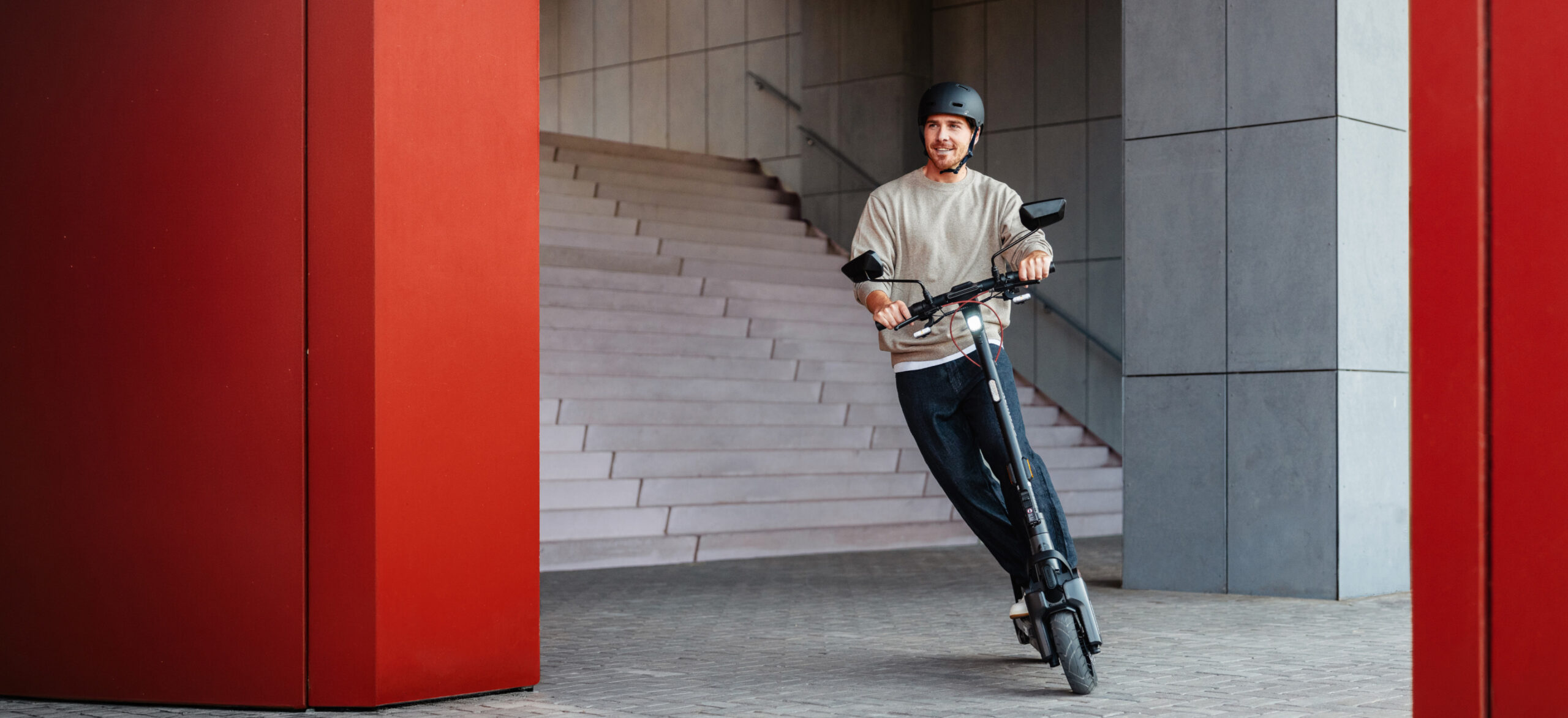
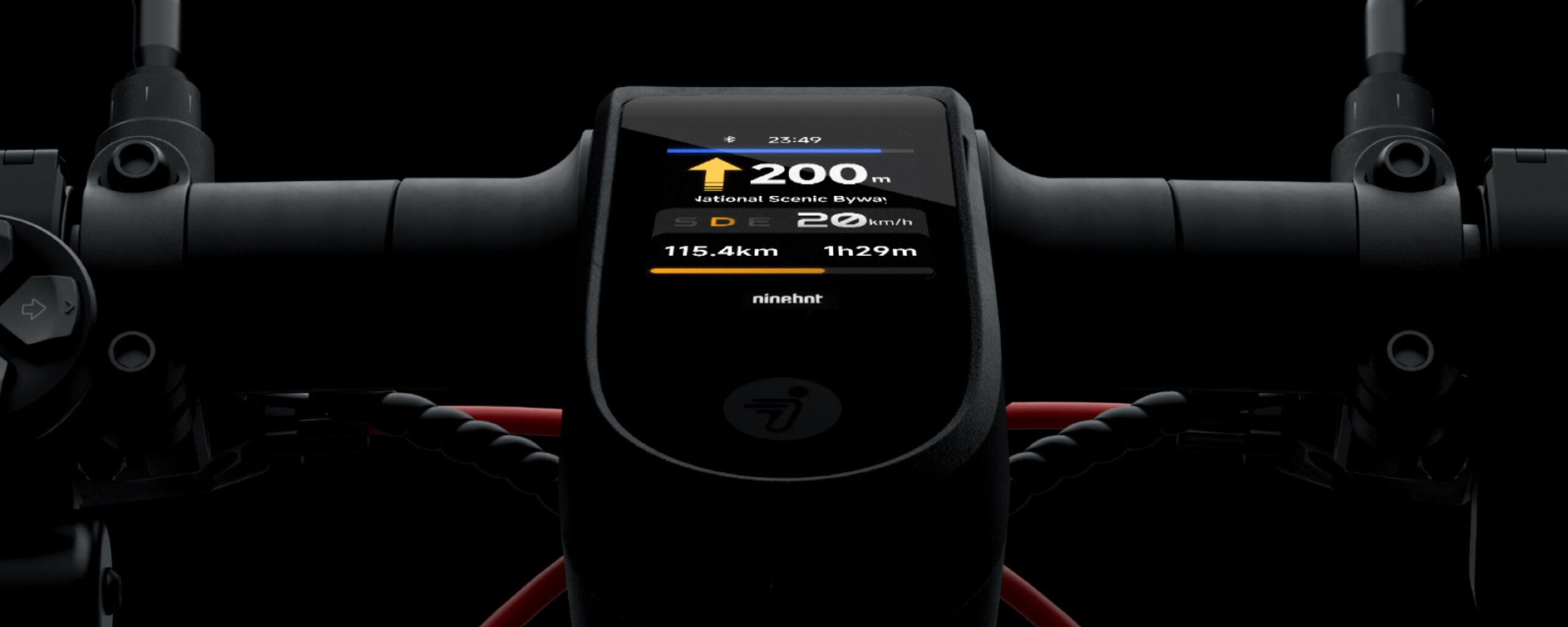
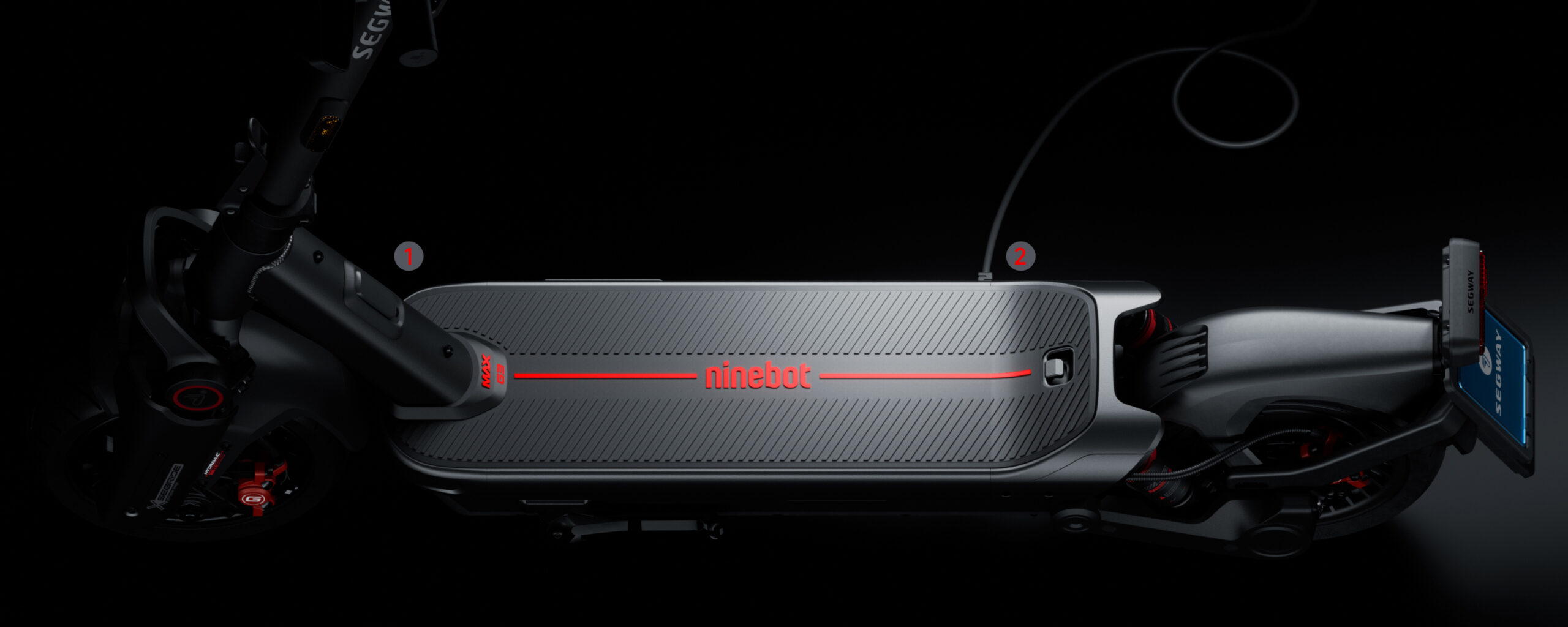
Segway hasn’t released the complete final specification yet, which is worth keeping in mind. More information on the finished model, availability and final retail price is due separately. What the company has confirmed is the familiar folding format, allowing the scooter to be stored at home or taken into an office rather than left outside.
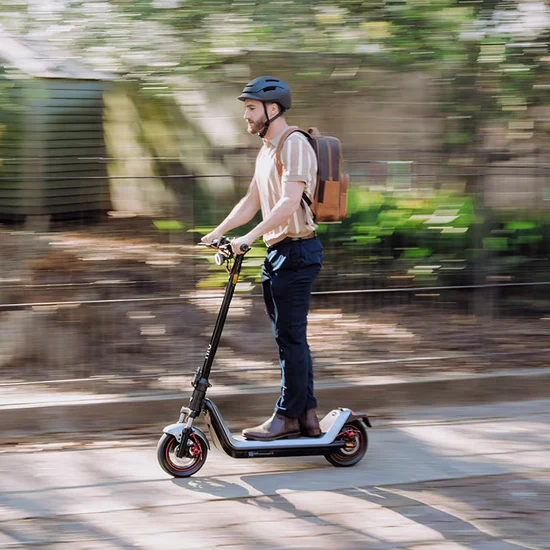
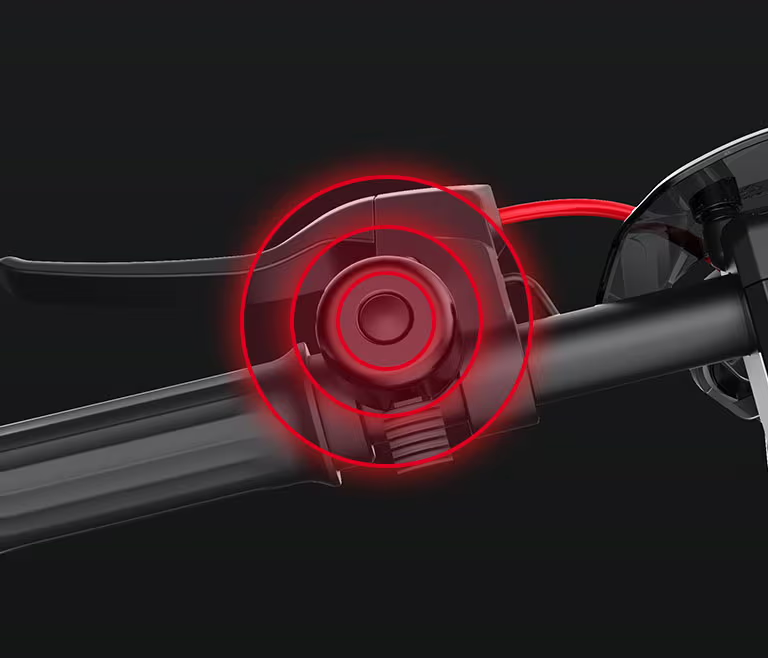
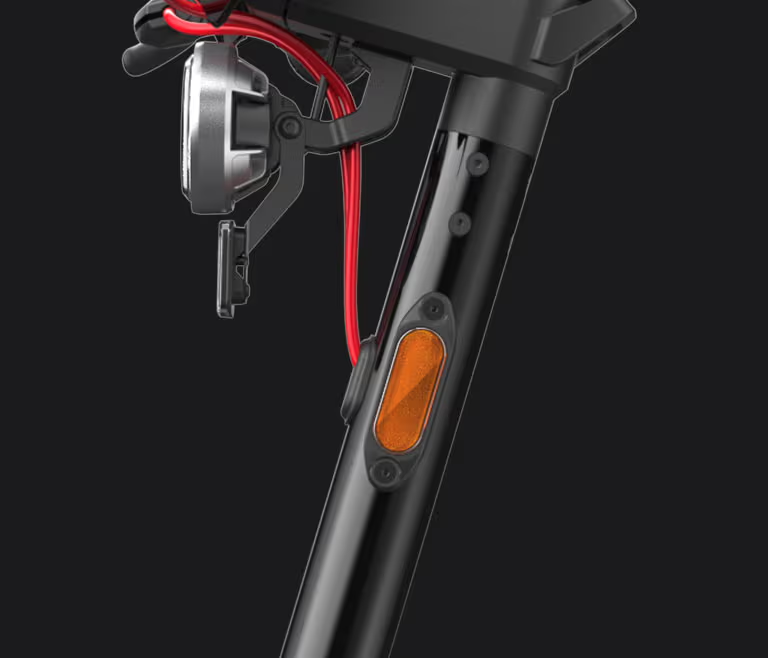
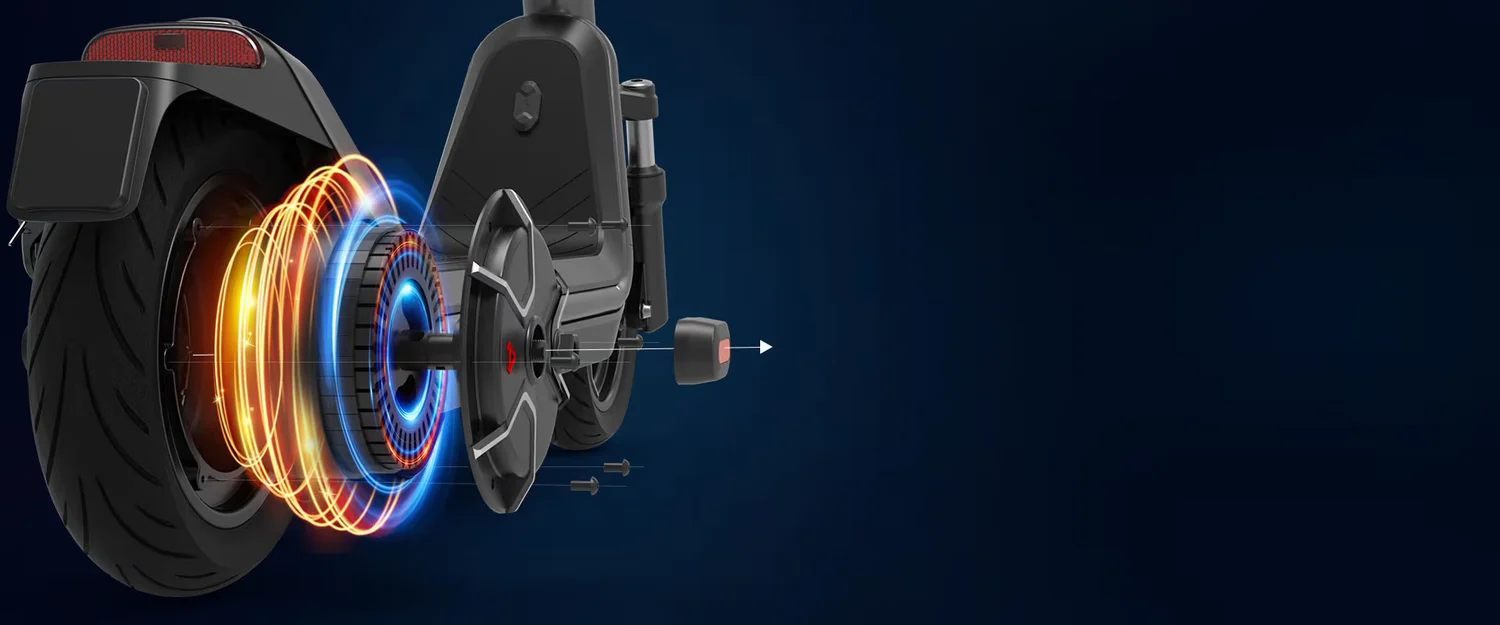
Segway Ninebot MAX G3 NL (4)
Segway Ninebot MAX G3 NL

Around €1,000 isn’t cheap for a kick scooter.

Dutch legality changes the comparison, though. Previously approved alternatives have tended to cost considerably more, and Segway is clearly hoping the MAX G3 NL can turn a tiny niche into something closer to a normal transport option.

There is a certain irony here.

Electric scooters are often sold on simplicity. Fold one up, charge it and ride. In the Netherlands, making that simple little machine legal requires registration, insurance, a number plate and a version engineered specifically around national rules.

At least buyers will finally know where they stand.

For Segway, the MAX G3 NL may also become more important than another specification-sheet battle over peak watts or theoretical range. If a €1,000 approved model sells well, other manufacturers will have a fairly good reason to go through the same RDW process.

Dutch streets probably won’t fill with scooters overnight. But for the first time, Segway is preparing one that can be there without breaking the rules.
Categories
NIU News

NIU KQi 300X Has 1,000 Watts and 60 KM of Range – but the Suspension Is Probably the Upgrade You’ll Notice First

Electric scooters have developed the same specification-sheet problem as electric cars.

More power sounds good. More range sounds good. Bigger batteries definitely look good in an online comparison table.

Then you hit the first broken piece of pavement.

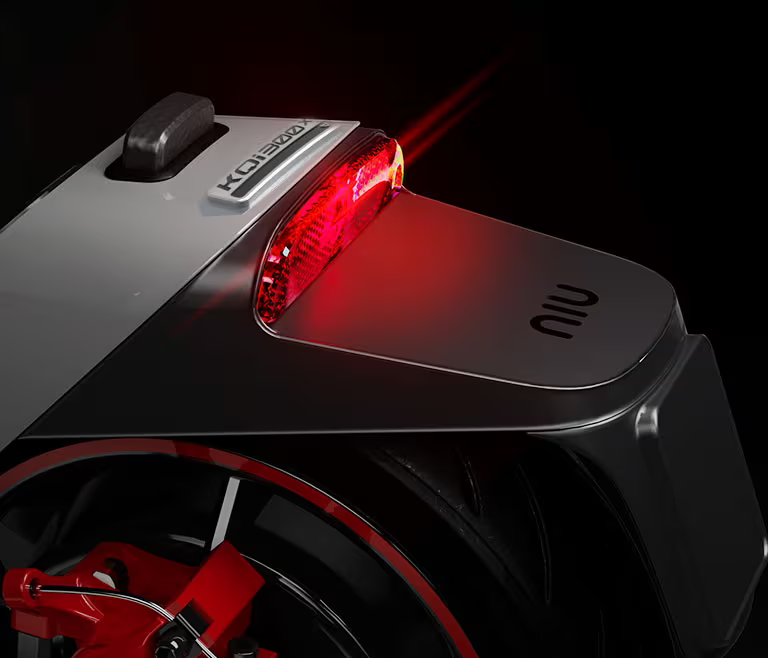
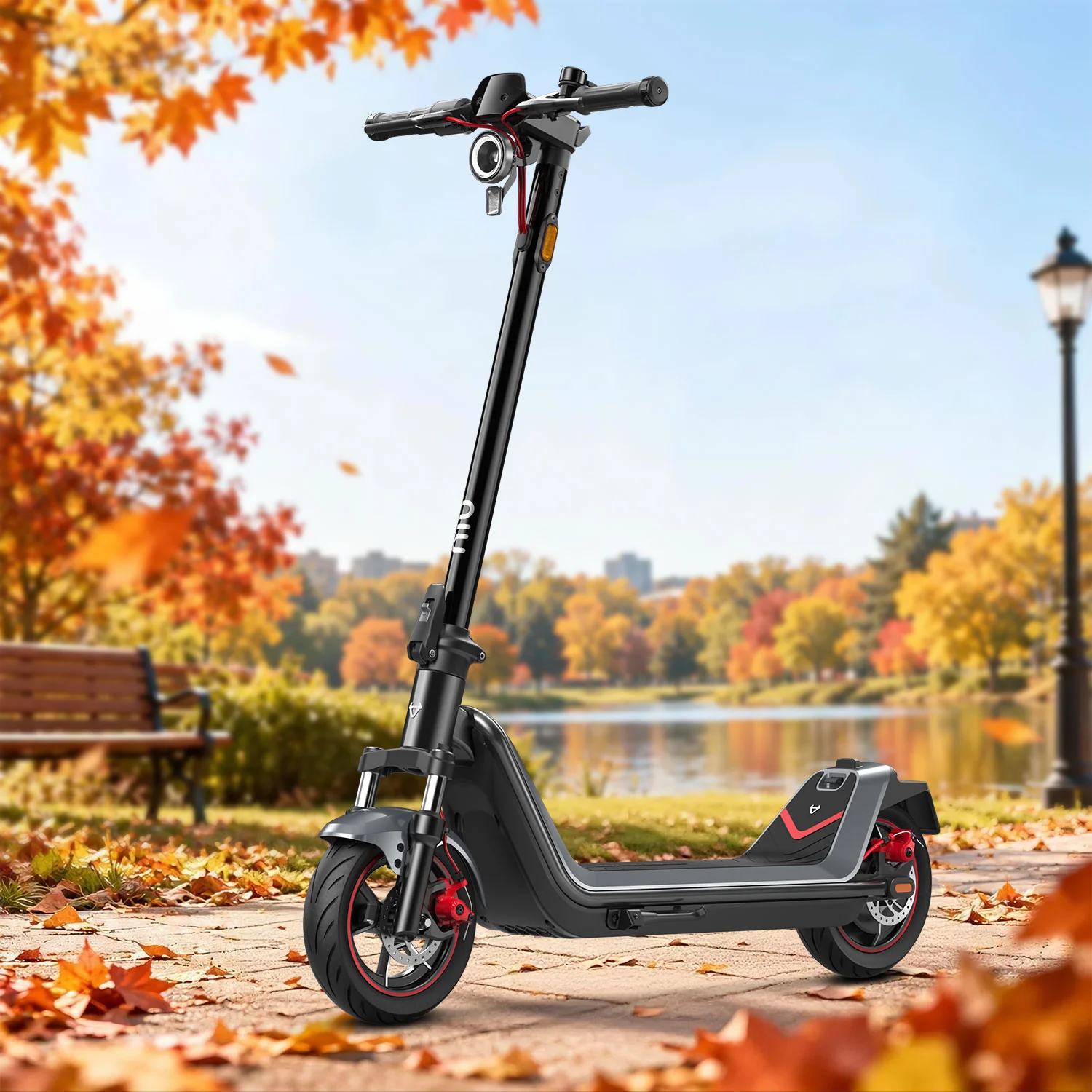
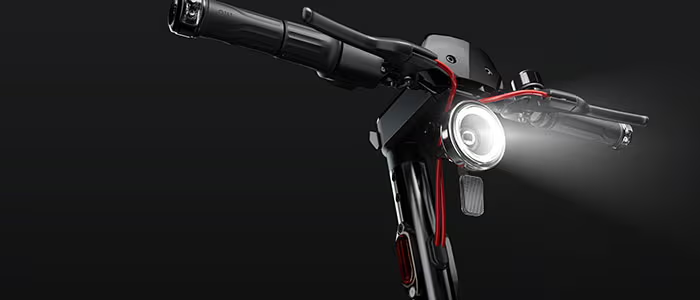
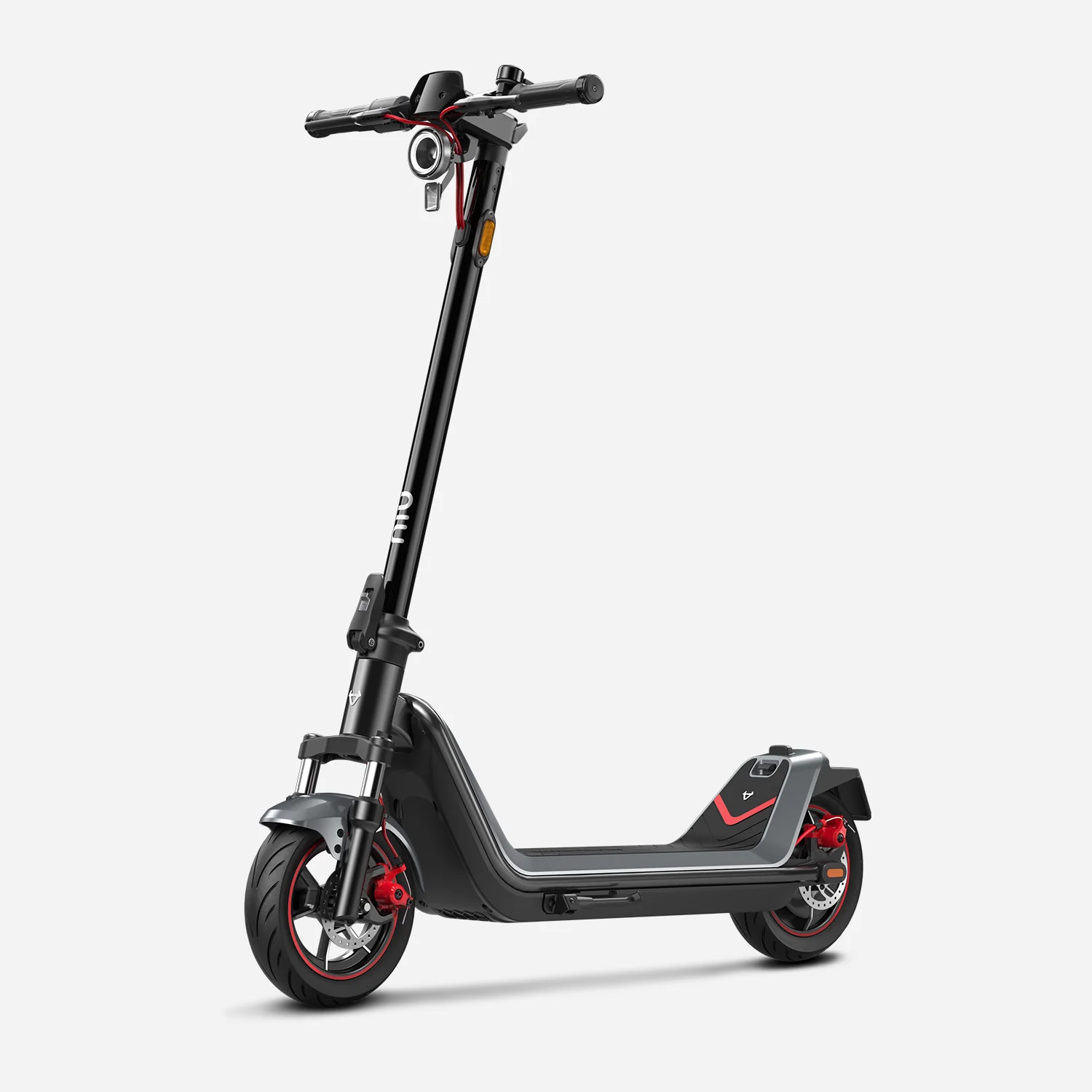
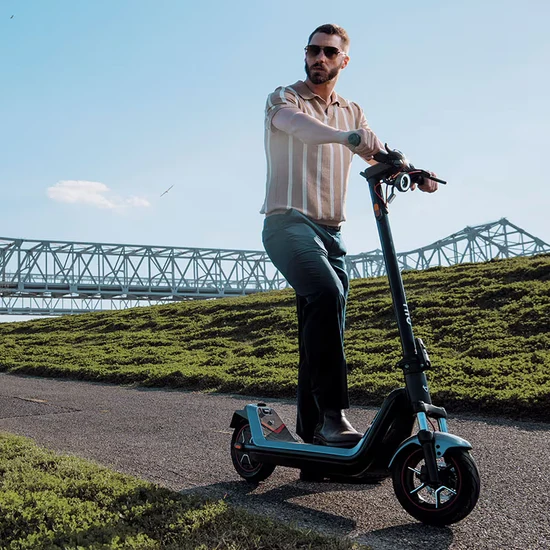
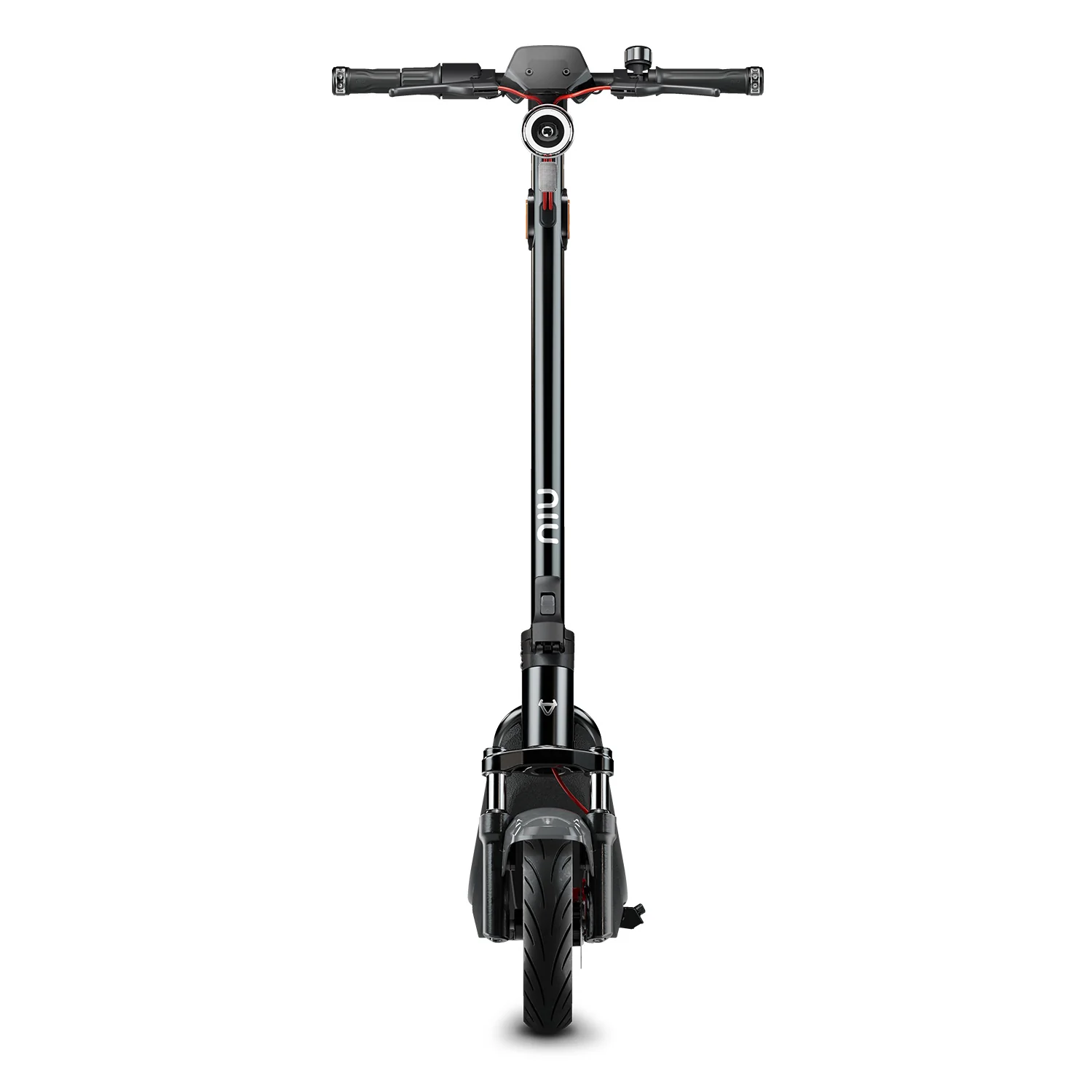
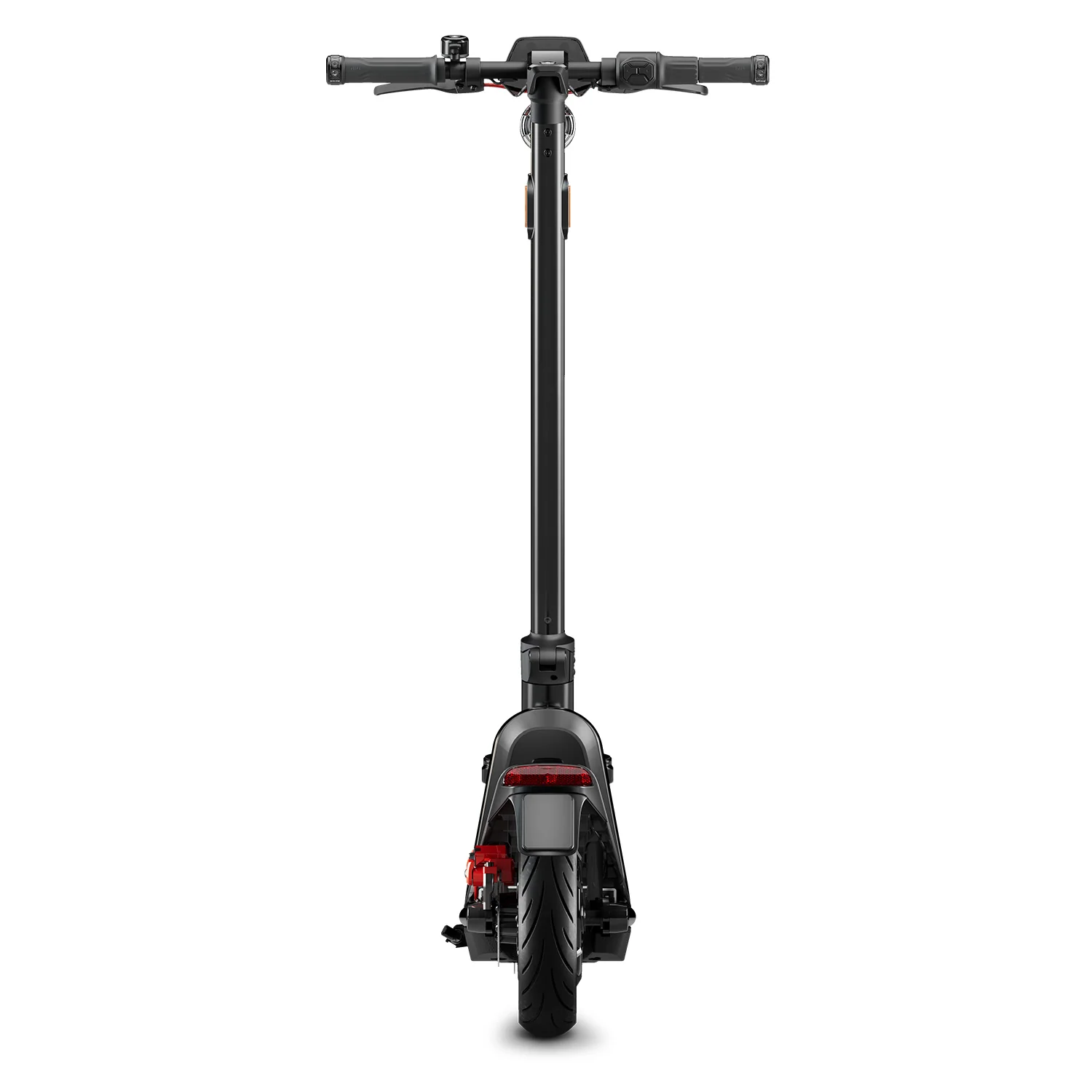
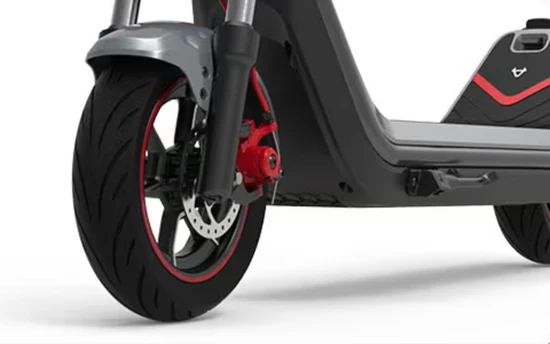
The NIU KQi 300X is interesting because NIU hasn’t concentrated entirely on making the motor number bigger. The European model combines up to 1,000 watts of maximum power with suspension, self-healing tubeless tires and enough battery capacity for a claimed 60 kilometers of range.

NIU KQi 300X Electric Kick Scooter (12)
NIU KQi 300X Electric Kick Scooter

For anyone actually commuting on one, the suspension may matter more than another headline number.

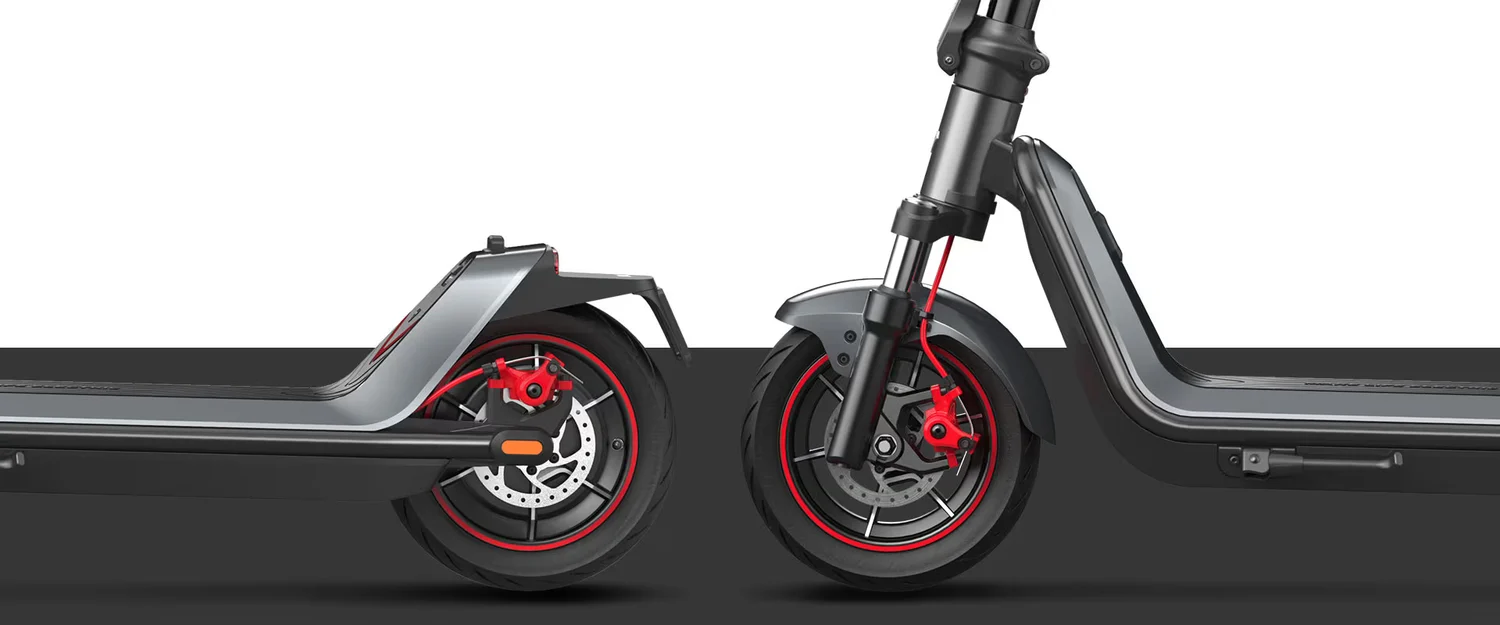
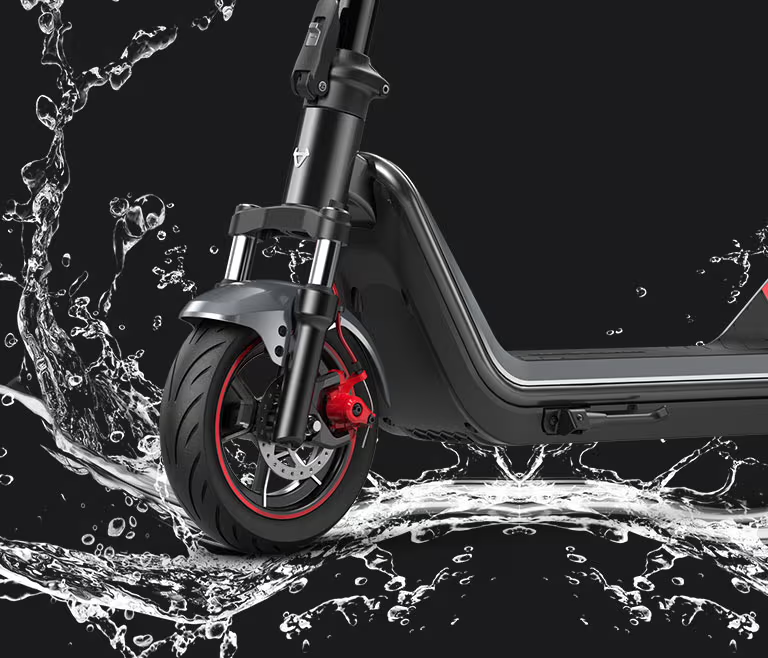

NIU uses a hydraulic system at the front rather than relying entirely on the tires and rider’s knees to absorb bumps. The tires themselves measure 10.5 inches and use a self-healing tubeless design, which should reduce the chances of a small puncture turning the morning commute into an unexpected walk.

The motor is rated at 500 watts, reaching 1,000 watts at peak output.

Because we’re looking at the European version, top speed is limited to 25 km/h. That means the extra motor power isn’t there primarily to create a 50-km/h missile with handlebars. NIU claims the KQi 300X can climb gradients of up to 25 percent, which is a much more useful application if your route isn’t perfectly flat.

NIU KQi 300X Electric Kick Scooter (7)
NIU KQi 300X Electric Kick Scooter

Energy comes from a 608.4-Wh battery, with NIU quoting up to 60 km of maximum range and a charging time of around six hours.

As always with scooter range figures, I’d treat 60 km as the optimistic end rather than planning a 59-km journey and assuming everything will work out beautifully.

Rider weight, temperature, hills, tire pressure, wind and riding speed all affect what you’ll actually see.

The KQi 300X itself weighs 22.1 kg.

That number deserves more attention than scooter manufacturers usually give it. Twenty-two kilograms isn’t outrageous for this level of battery and hardware, but it’s enough that carrying it up several flights of stairs every evening could become tiresome remarkably quickly.

There’s always a trade-off.

The larger battery that gives you more useful range is the same object you eventually have to carry into the apartment.

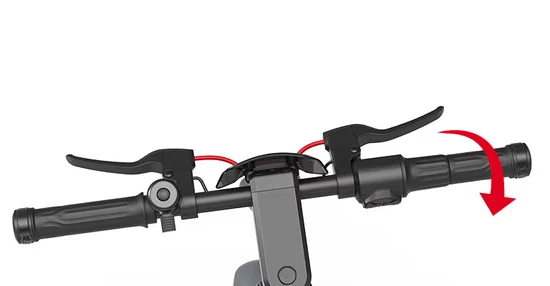
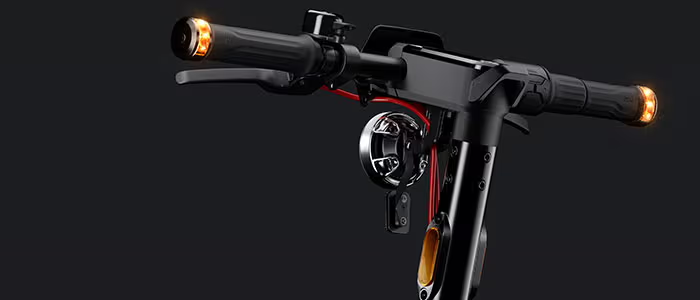
NIU has also given the scooter a wider 54.2-cm handlebar, helping stability, while the folding design keeps it reasonably manageable when it isn’t being ridden.

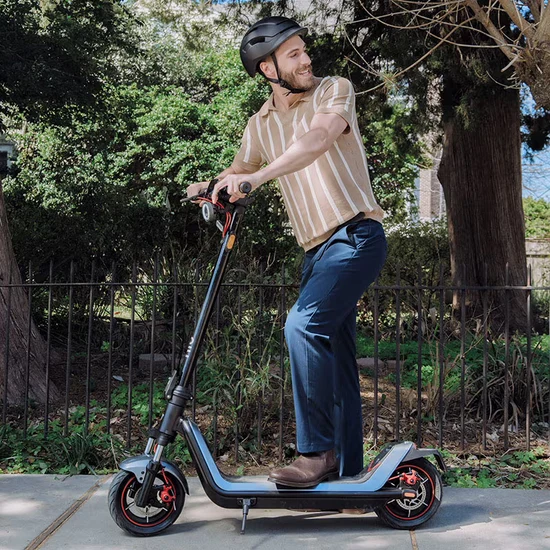
NIU KQi 300X Electric Kick Scooter (17)
NIU KQi 300X Electric Kick Scooter

At the time of checking, NIU’s European store lists the KQi 300X at €589, reduced from €799. Prices and promotions obviously change, so that figure shouldn’t be treated as permanent.

What makes the 300X appealing isn’t one spectacular specification.

A 25-km/h European scooter doesn’t need absurd acceleration. It needs enough torque for hills, enough battery that range anxiety doesn’t begin halfway to work and a chassis that doesn’t punish you because the council forgot to repair the road.

That’s considerably less exciting than claiming 3,000 watts. After ten kilometers over real city pavement, it may also be considerably more important.

Categories
Segway News

Segway Ninebot MAX G3 E Has 2,000 Watts and 65 KM of Real-Speed Range – but It Is Starting to Feel More Like a Vehicle Than a Scooter

Electric kick scooters used to be wonderfully simple machines. A battery, a small motor, two wheels and something to stand on were basically enough.

The Segway MAX G3 E shows how far the category has moved from that formula.

Segway’s latest MAX uses a motor capable of 2,000 watts of peak power, while the European version is limited to 25 km/h. The more useful figure, however, is range: Segway quotes up to 65 kilometers while actually travelling at 25 km/h, rather than producing its headline number only at an unrealistically slow test speed.

Segway Ninebot MAX G3 E Electric Ki (2)
Segway Ninebot MAX G3 E Electric Ki

Switch to the 15-km/h Eco mode and the claimed figure rises to 80 km.

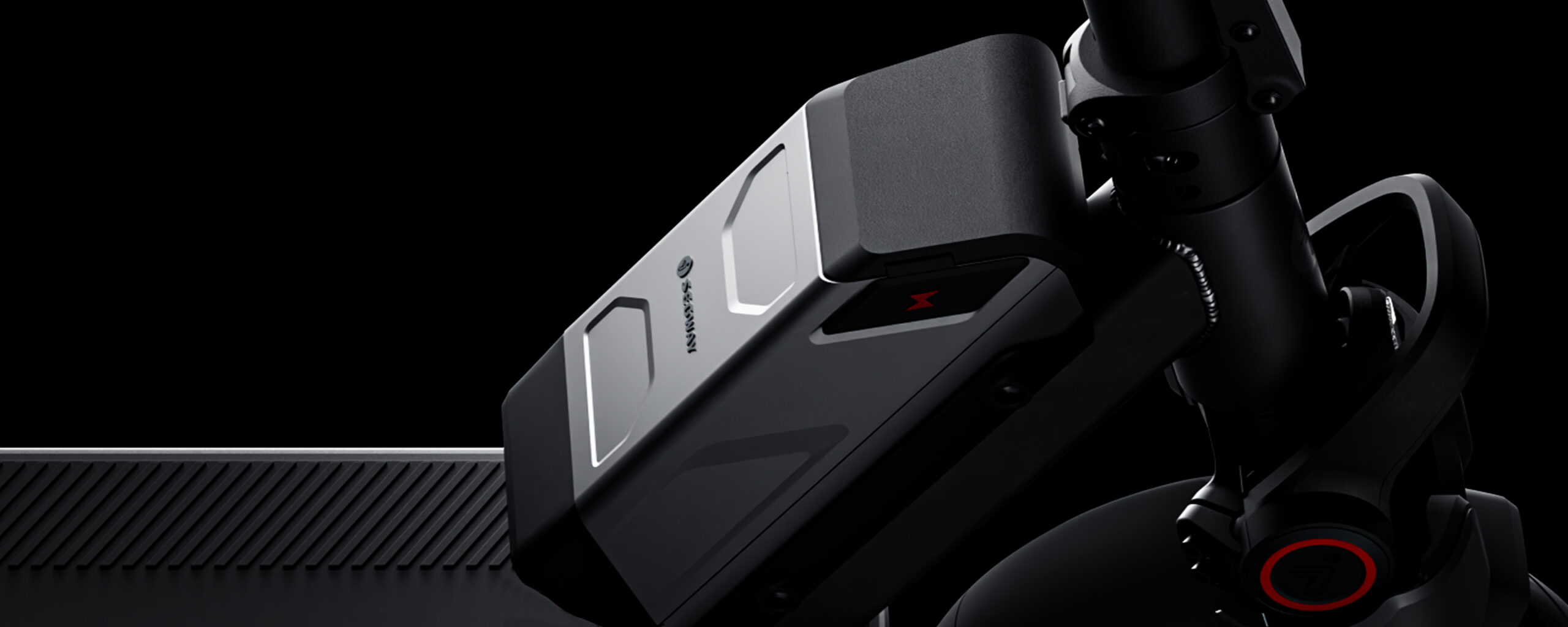
There’s also an optional 468-Wh external battery. Add that to the standard 597-Wh pack and Segway says the G3 E can travel as far as 105 km at 25 km/h, or 140 km under its slower Eco test conditions.

At that point, range anxiety isn’t much of an argument against commuting by scooter. Comfort may be an even bigger improvement.

The MAX G3 E gets dual hydraulic suspension at the front and adjustable hydraulic suspension at the rear, combined with 11-inch self-sealing tubeless tires. Anyone who has ridden an older rigid scooter over broken pavement will understand why those specifications matter more than another flashy app feature.

Segway Ninebot MAX G3 E Electric Ki

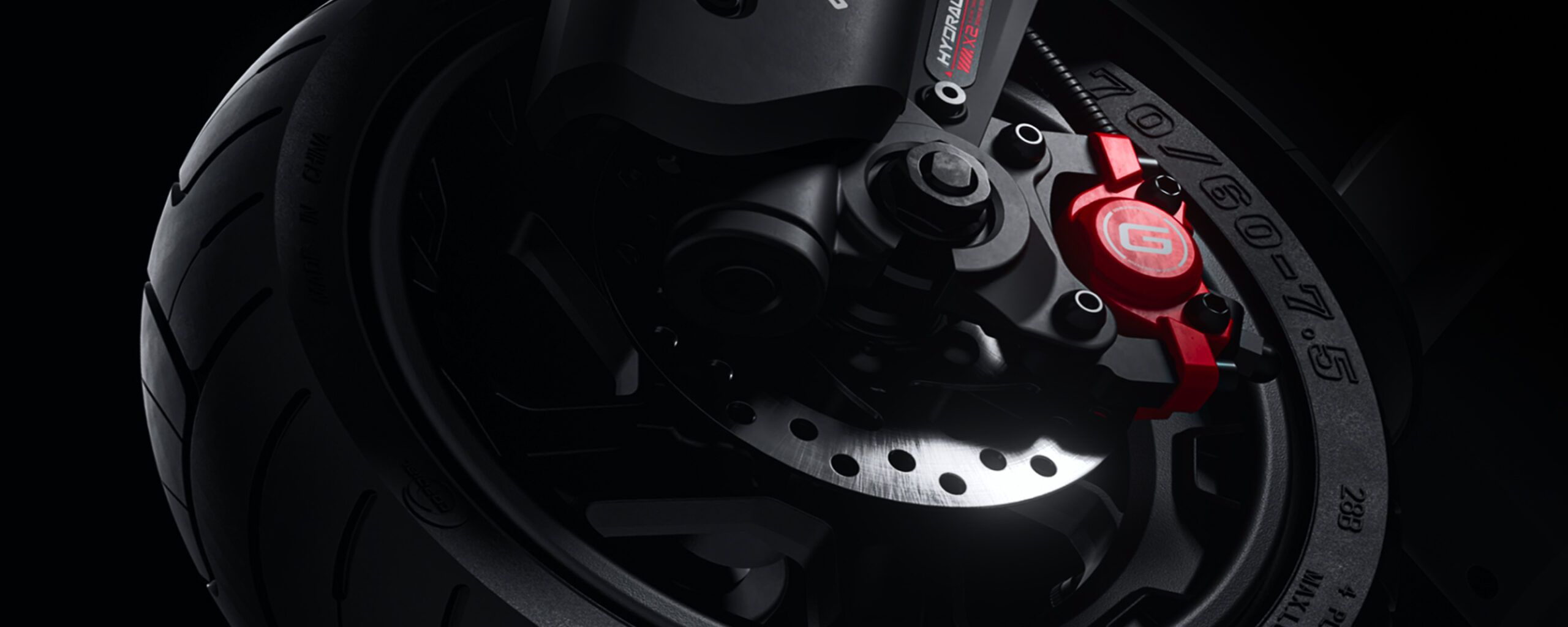
Braking has received similar attention, with disc brakes at both ends. Segway also includes traction control and what it calls a Stability Enhancement System, while the body has an IPX6 water-resistance rating and the battery itself is rated IPX7.

Then there’s the dashboard.

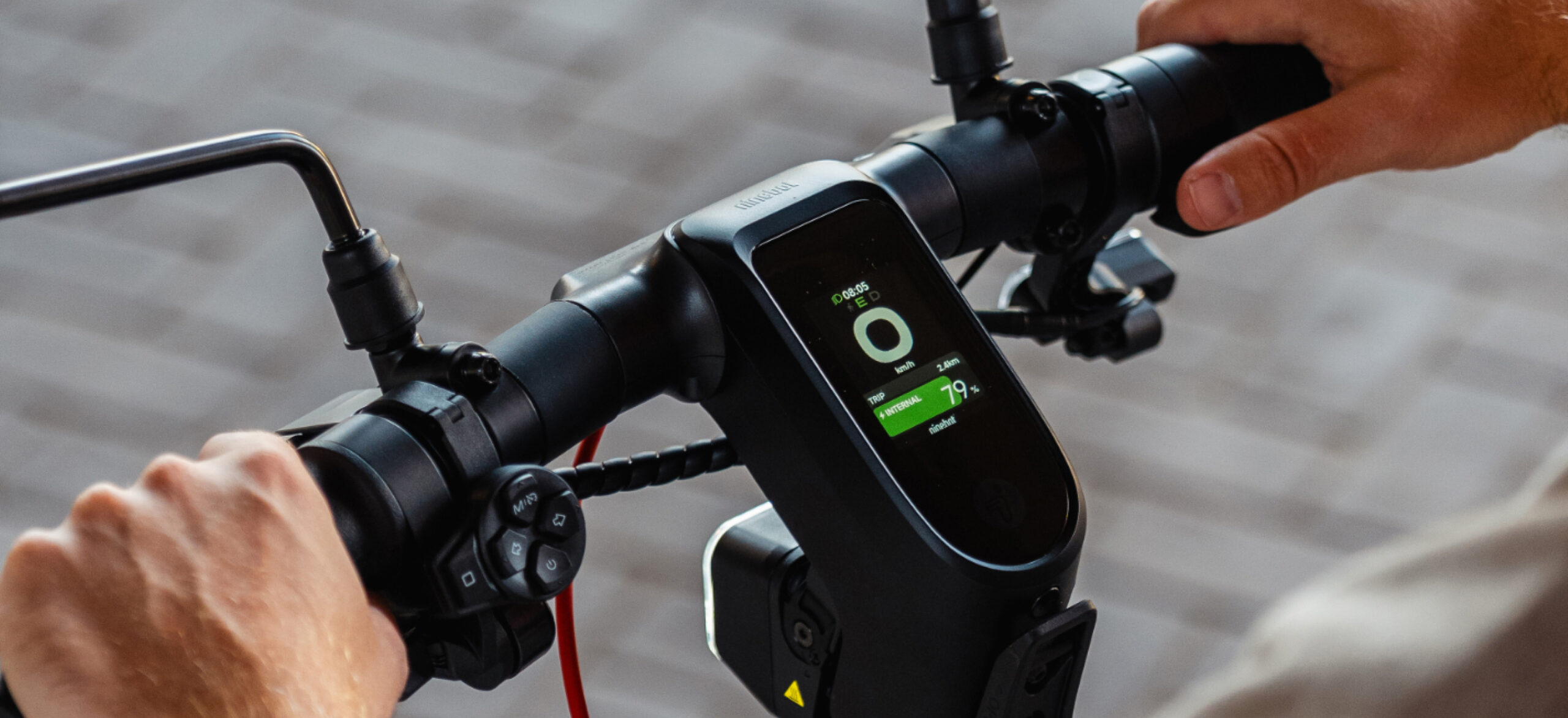
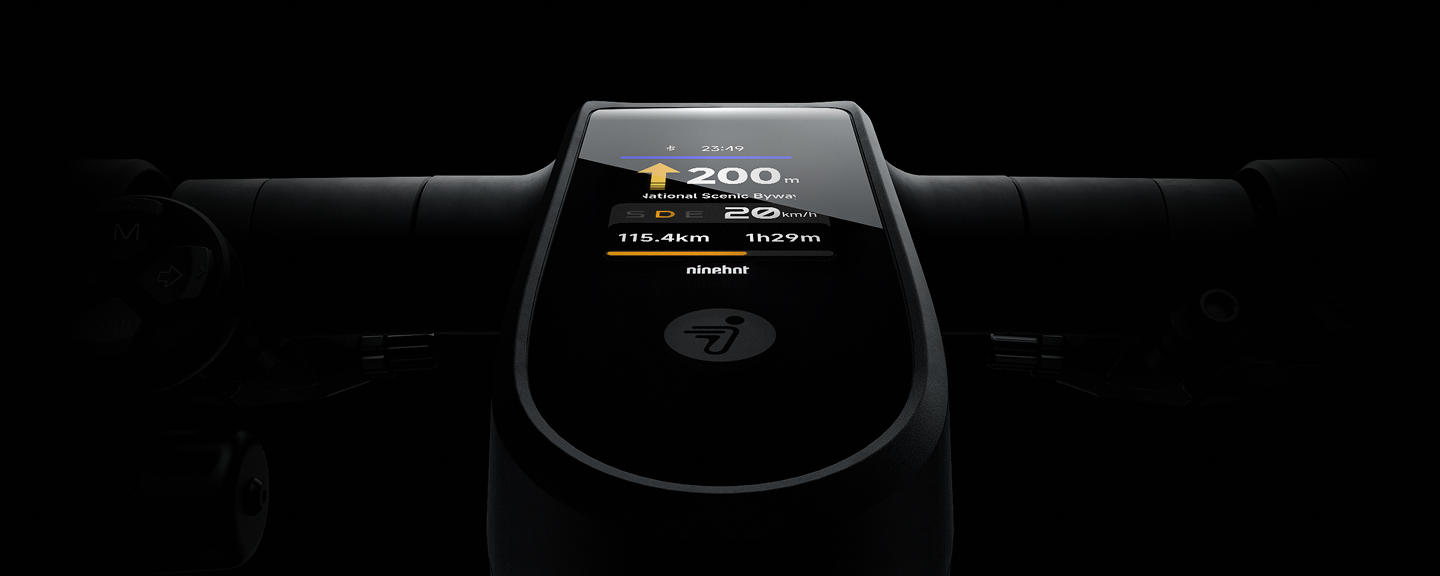
Instead of a tiny display showing little more than speed and remaining battery, the G3 E uses a TFT interface supporting navigation information and incoming-call notifications. Apple Find My integration is built in, Bluetooth can unlock the scooter automatically, and the Segway app handles additional settings.

Charging is relatively quick too. The integrated charger needs approximately 3.5 hours, while using an optional second DC input can reduce that to around 2.5 hours.

Segway Ninebot MAX G3 E Electric Ki (2)
Segway Ninebot MAX G3 E Electric Ki

There is, inevitably, a catch. The MAX G3 E weighs 24.6 kilograms.

Calling something weighing almost 25 kg easily portable requires a generous definition of the word “portable.” Carrying it up several flights of stairs every evening will quickly remind you that all this extra battery, suspension and hardware has to weigh something.

That reveals where premium kick scooters are heading.

The G3 E isn’t really trying to be the tiny last-mile device you casually throw into a car boot. With 2,000 watts, hydraulic suspension, proper disc brakes, navigation, traction control and potentially more than 100 km of range, it increasingly behaves like a compact personal vehicle that happens to fold.

For regular commuters, that may be exactly what makes it appealing. Just don’t volunteer to carry one to the fourth floor.

Categories
NIU News

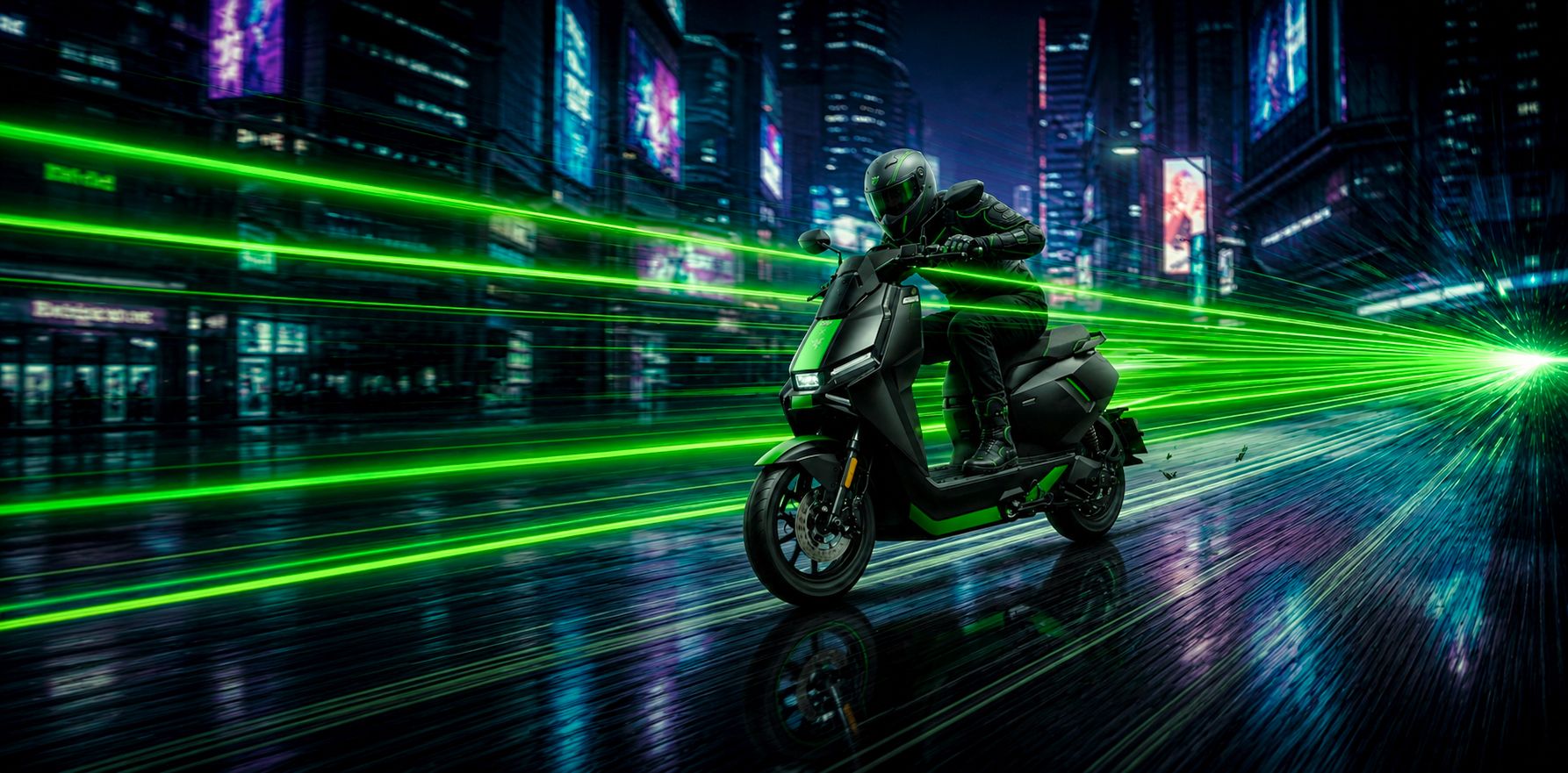
NIU and Razer Built an Electric Scooter Together – and It’s Exactly as Green as You’d Expect

Electric scooters usually arrive in one of two colors. Black. Or slightly different black.

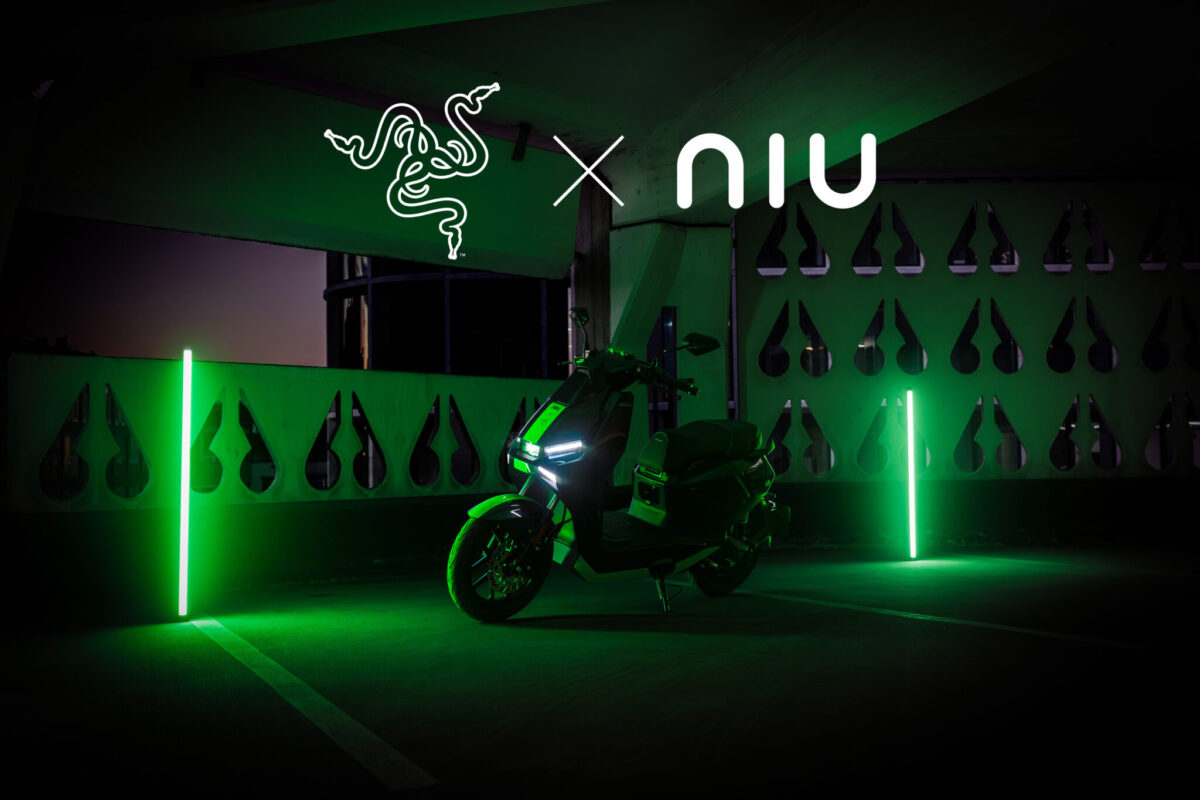
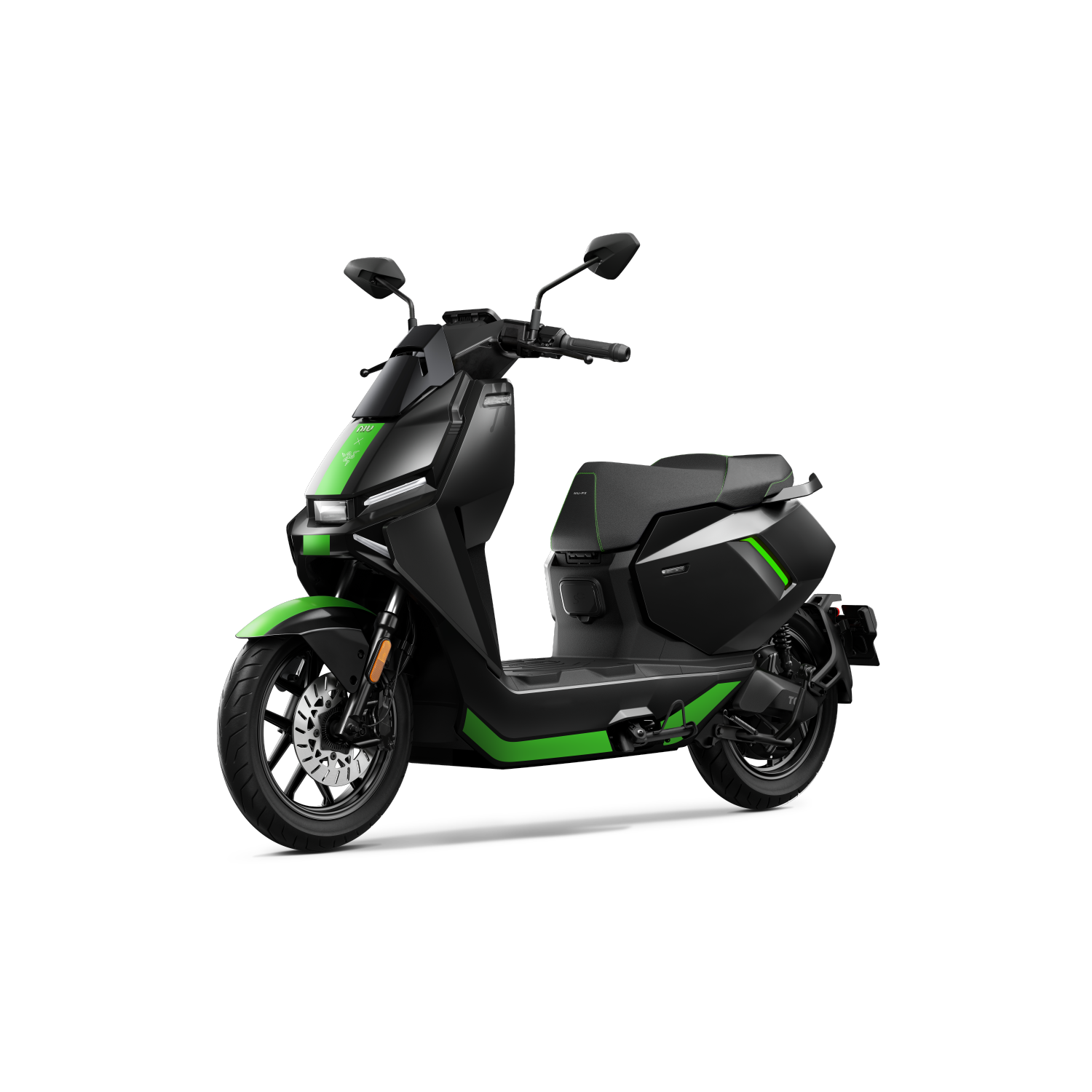
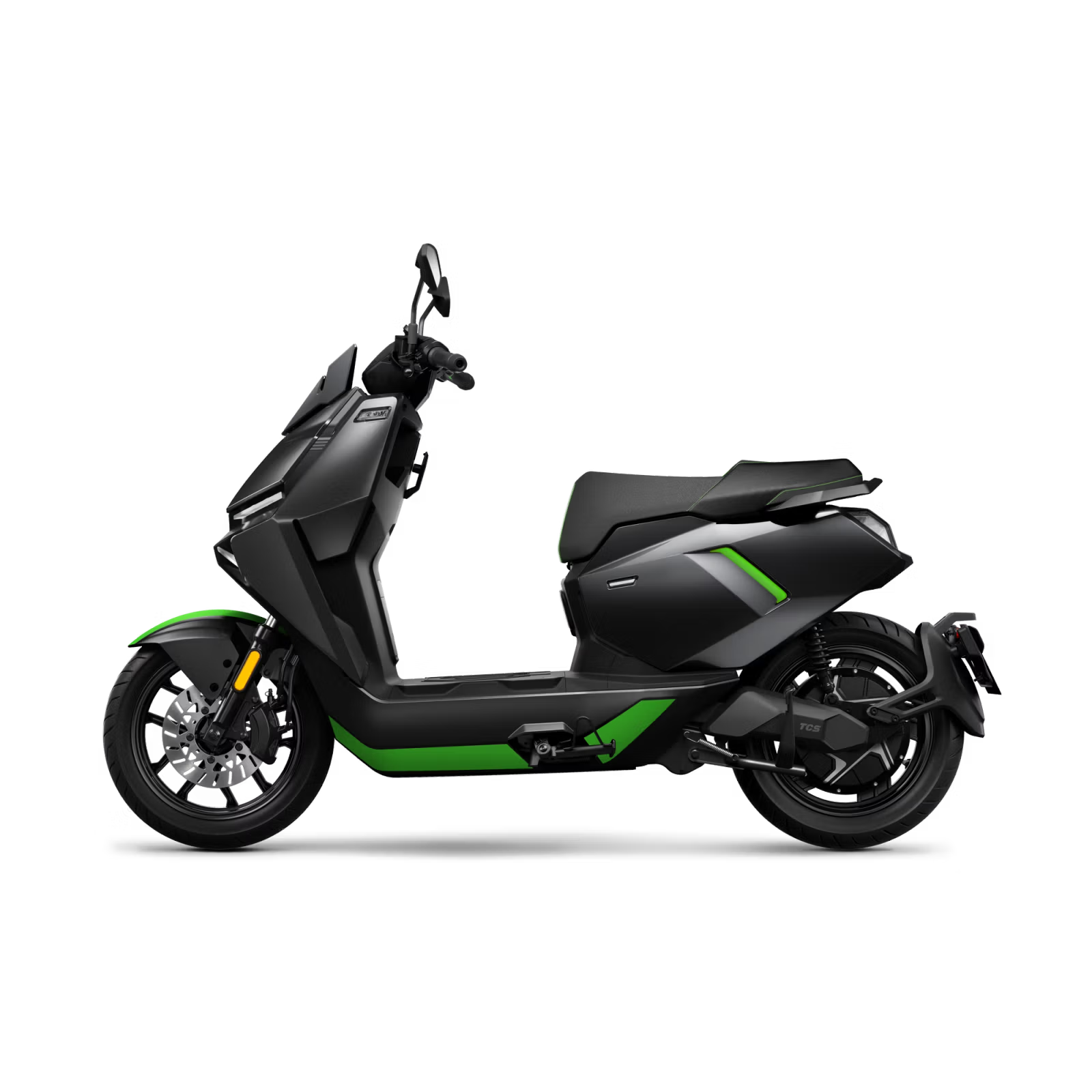
NIU and gaming company Razer clearly decided that wasn’t enough, and the end result is the FQiX × Razer Special Edition, a limited version of NIU’s electric two-wheeler dressed in Razer’s instantly recognizable black-and-neon-green color scheme.

Pre-orders opened on September 2 following the model’s announcement in late August. And yes, it looks like somebody turned a gaming laptop into transportation.

That will either be the entire reason you want one or the reason you immediately close the browser tab.

Underneath the graphics is NIU’s FQiX platform rather than an entirely new machine developed specifically for the collaboration. That’s probably sensible.

FQiX 150
FQiX 150

Special editions frequently become less convincing when manufacturers try to invent technical reasons for what is fundamentally a styling exercise. Here, the attraction is straightforward: take an established NIU electric scooter and make it look like a Razer product.

There is actually some logic to the partnership as both brands target relatively young, technology-focused customers. NIU has spent years pushing connectivity and smart functions as part of its electric two-wheelers, while Razer built its reputation around gaming hardware, distinctive design and an almost impossible-to-miss green logo.

Put the two audiences together and the crossover starts making sense. The timing is interesting, too.

Electric scooters and mopeds are becoming much more sophisticated than the simple battery-and-motor machines that helped establish the category.

NIU’s current NQiX family, for example, offers connected functions, TFT displays and increasingly serious performance. The NQiX 300 reaches 80 km/h and offers up to 120 km of claimed range, showing how far the company’s urban electric products have moved beyond basic low-speed mobility.

FQiX 300
FQiX 300

That also changes how these machines are marketed. If an electric two-wheeler is merely cheap transport, buyers mostly care about range, price and whether it gets them to work.

Once prices and technology increase, design starts mattering more. And people will begin buying them because they actually want the product, not simply because running costs are low.

And that’s where collaborations like Razer become useful. Nobody needs neon-green detailing to commute. Nobody needs RGB lighting on a computer mouse either, yet Razer built an enormous business around making technology feel personal.

The FQiX Special Edition applies much the same thinking to urban mobility. Whether that makes it better value than the standard machine is another question.

Special editions inevitably ask buyers to place some financial value on exclusivity and appearance, neither of which makes the battery last longer. But at least this collaboration isn’t pretending otherwise.

FQiX 300
FQiX 300

If you already like Razer’s design language, the FQiX suddenly becomes considerably more distinctive than most electric scooters parked beside it. If you don’t, NIU has plenty of less fluorescent alternatives.

Either way, it’s nice to see an electric scooter manufacturer acknowledge that commuting equipment doesn’t have to look like commuting equipment.

Sometimes ridiculous green accents are allowed.

Categories
News

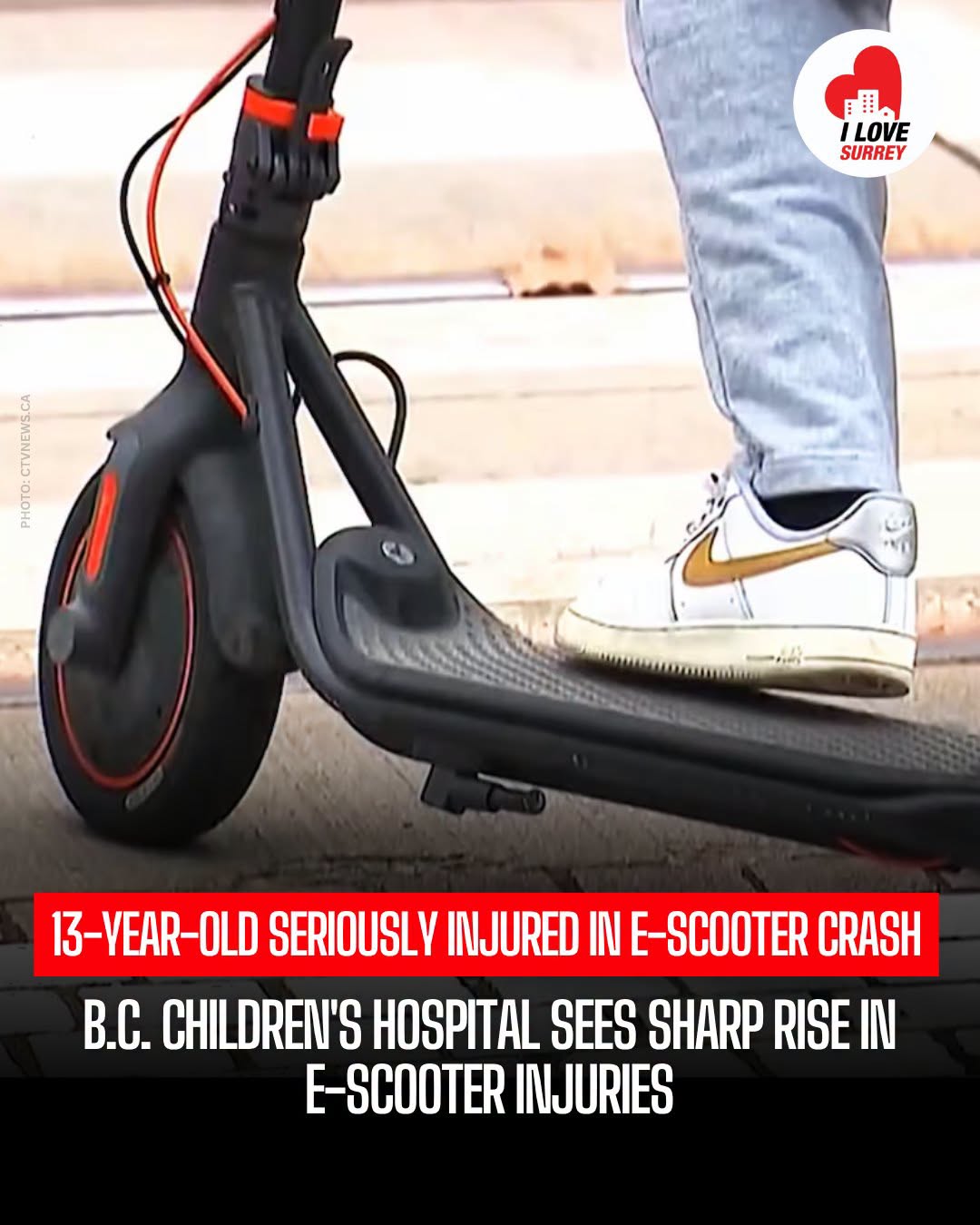
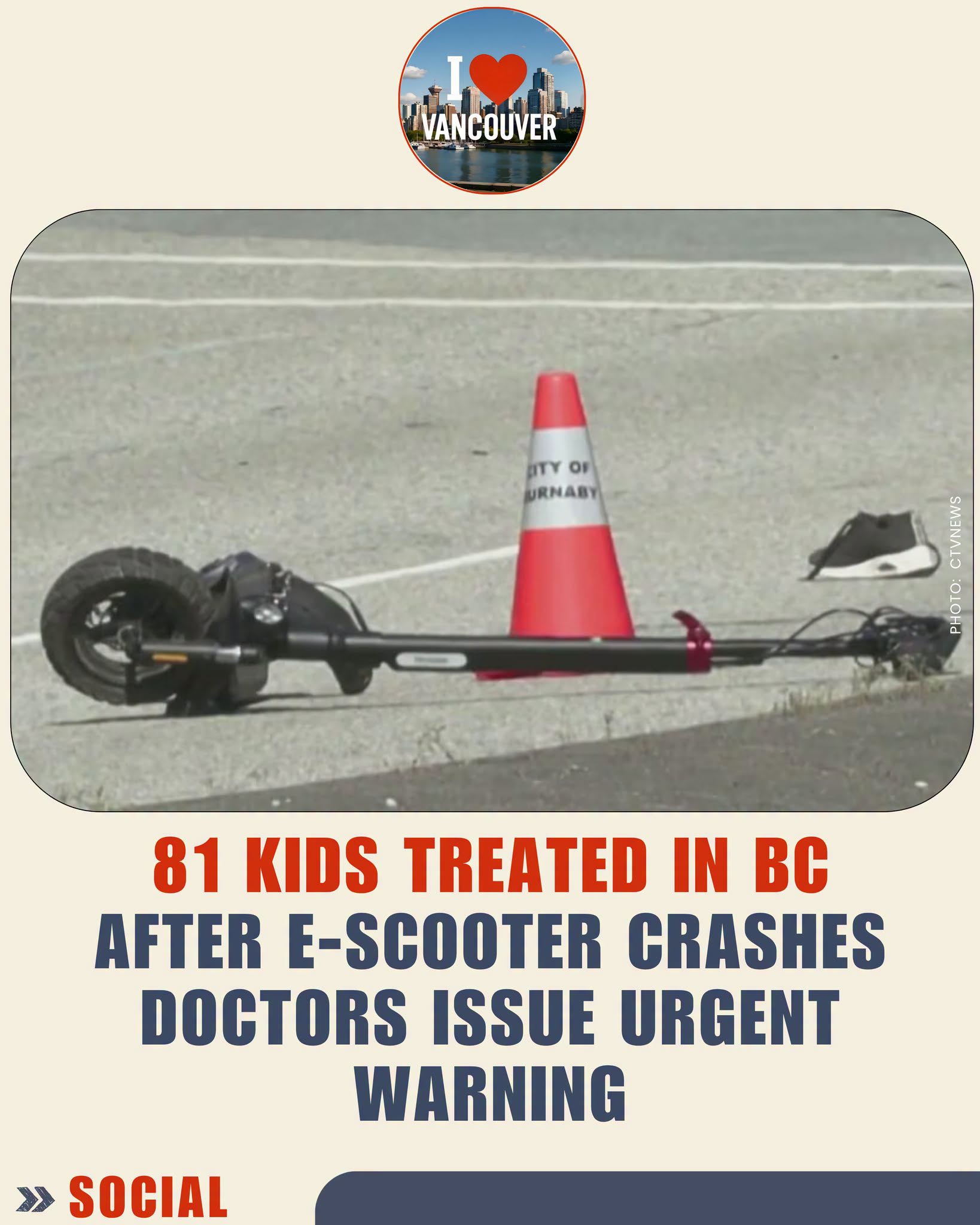
Children’s E-Scooter Injuries Climb in B.C. as Underage Riding Raises Concerns

Doctors from British Colombia, Canada, have recently issued warnings regarding the rising in e-scooter injuries among children and teenagers. British Columbia Children`s Hospital recorded no less than 81 emergencies tied to e-scooter use starting April 1 2025 to March 31, 2026.

The biggest concern is age. Provincial rules say riders must be at least 16, yet B.C. Children’s says the largest share of emergency visits, 54 per cent, involved children aged 13 to 15. Many of these young riders should not have been operating e-scooters at all under current rules.
E Scooter Injuries in British Colombia (1)
E-Scooter Injuries in British Colombia

Dr. Shelina Babul, director of the B.C. Injury Research and Prevention Unit at the hospital, said many parents are not clear on who should be using them. “I think there’s a lack of understanding, lack of education around who should be riding e-scooters,” she said.

The injuries are not limited to small cuts. Hospital data shows 35 per cent of the emergency visits involved fractures. Another 26 per cent involved bruises and abrasions, while 17 per cent involved concussions. Babul also pointed to unsafe riding habits, especially speed and helmet use. “Speed is the biggest factor and not wearing a helmet. Just yesterday I saw someone on their e-scooter with their helmet in their backpack.”
E Scooter Injuries in British Colombia (1)
E-Scooter Injuries in British Colombia

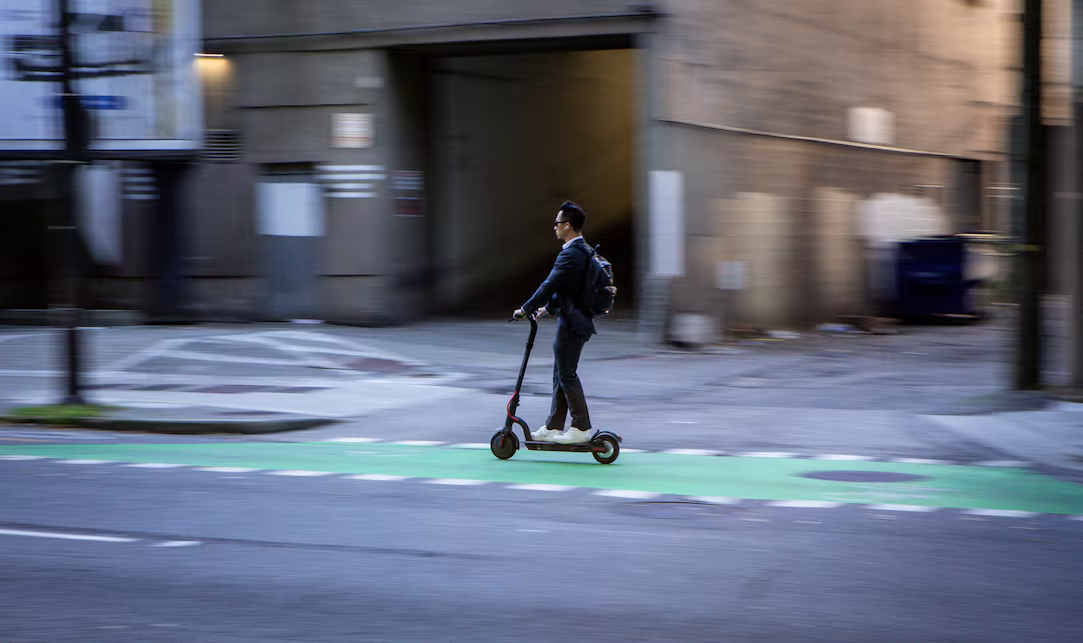
B.C. is currently testing electric kick scooters on public roads through a four-year pilot program. The program includes 36 communities, among them Vancouver, Burnaby, Victoria, Kelowna, and Prince George. Riders in those areas must be at least 16, wear a helmet, and use an e-scooter limited to 25 km/h. Rule breakers risk a $109 fine, impoundment, or other penalties.

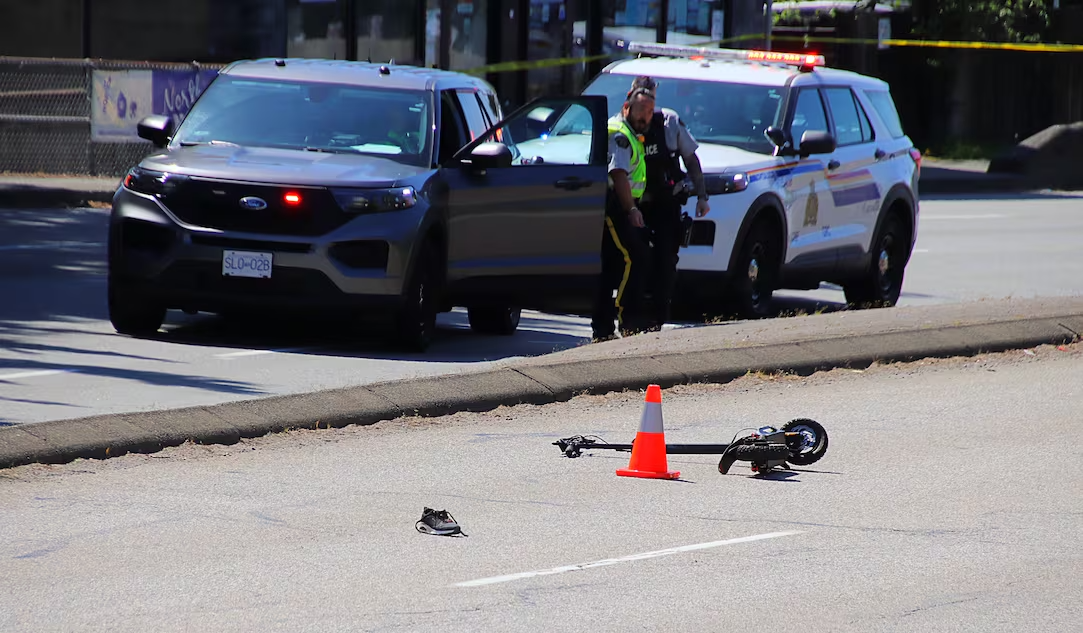
Police have already begun taking action in some cases. Last week, a 12-year-old in North Vancouver went to hospital with minor injuries after riding an e-scooter and colliding with a car. Police said the child’s guardian received a ticket for allowing someone under 16 to operate the vehicle.

E Scooter Injuries in British Colombia (2)
E-Scooter Injuries in British Colombia

North Vancouver RCMP Cpl. Mansoor Sahak said police, first responders, and medical workers have warned families about the risks. “Police, first responders, and medical professionals have been raising the alarm on the dangers of e-scooters and the serious injuries they could cause,” he said. “While police continue to educate, enforcement actions have increased and we are holding parents accountable.”

Fraser Health is also seeing more e-scooter injuries, although officials say tracking the full scale is difficult. Dr. Emily Newhouse said emergency records are built for patient care, not statistics. Her warning to parents was direct: “We wouldn’t necessarily give our kids a gas motorcycle but we’re giving kids devices that are quite powerful.”

E Scooter Injuries in British Colombia (3)
E-Scooter Injuries in British Colombia