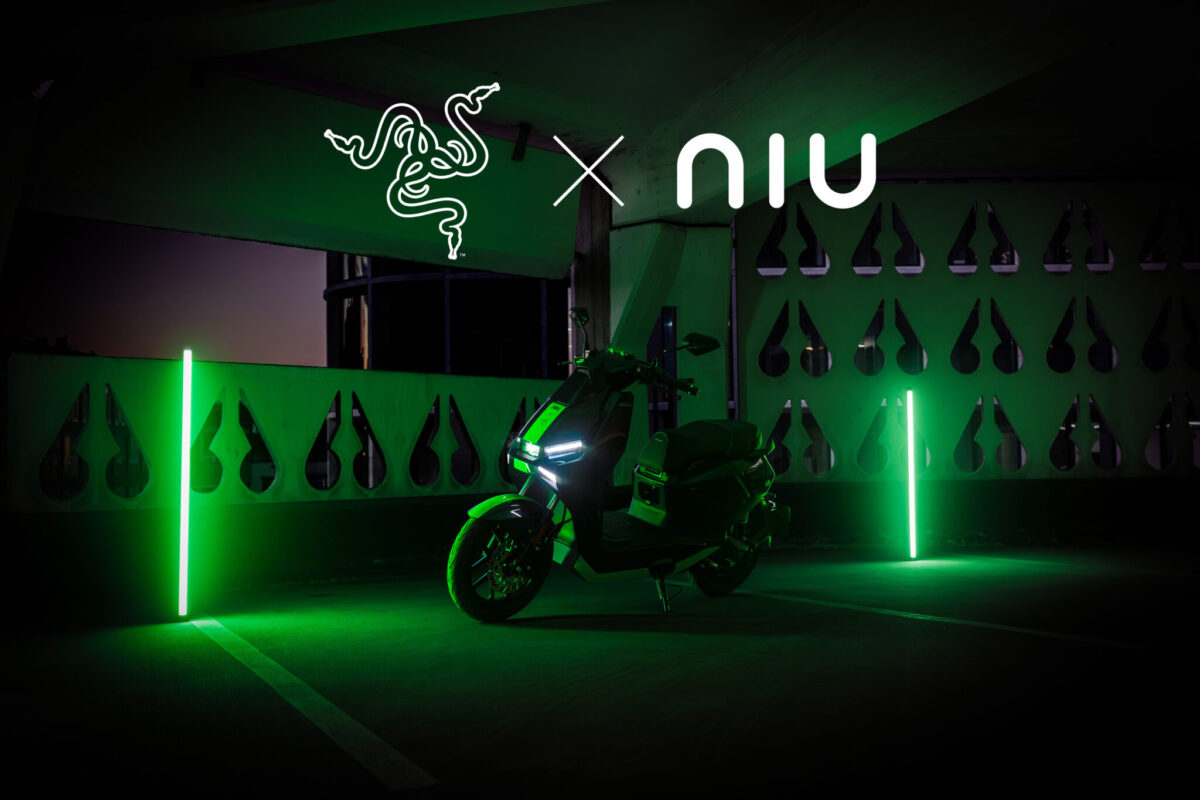
Electric scooters usually arrive in one of two colors. Black. Or slightly different black.
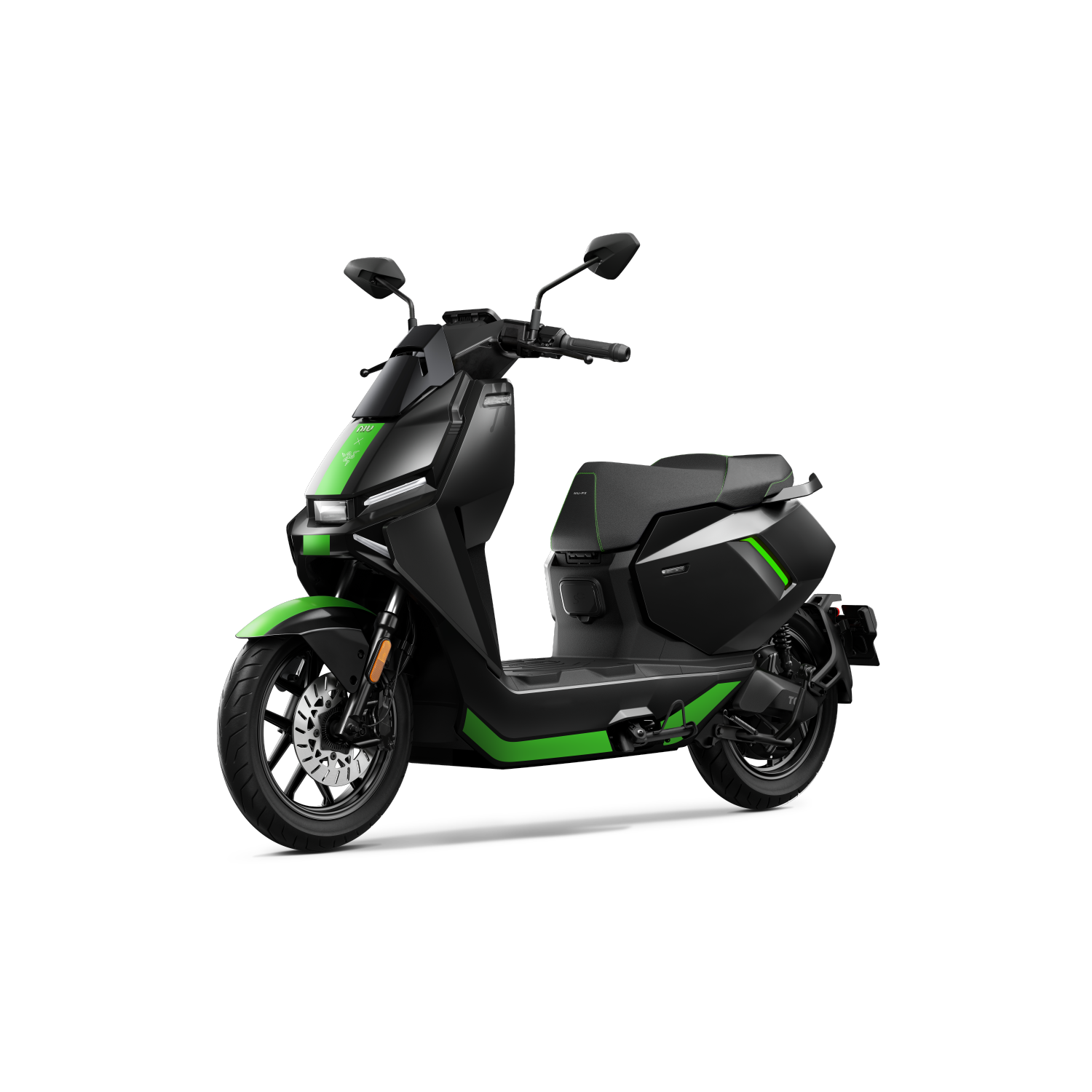
NIU and gaming company Razer clearly decided that wasn’t enough, and the end result is the FQiX × Razer Special Edition, a limited version of NIU’s electric two-wheeler dressed in Razer’s instantly recognizable black-and-neon-green color scheme.
Pre-orders opened on September 2 following the model’s announcement in late August. And yes, it looks like somebody turned a gaming laptop into transportation.
That will either be the entire reason you want one or the reason you immediately close the browser tab.
Underneath the graphics is NIU’s FQiX platform rather than an entirely new machine developed specifically for the collaboration. That’s probably sensible.
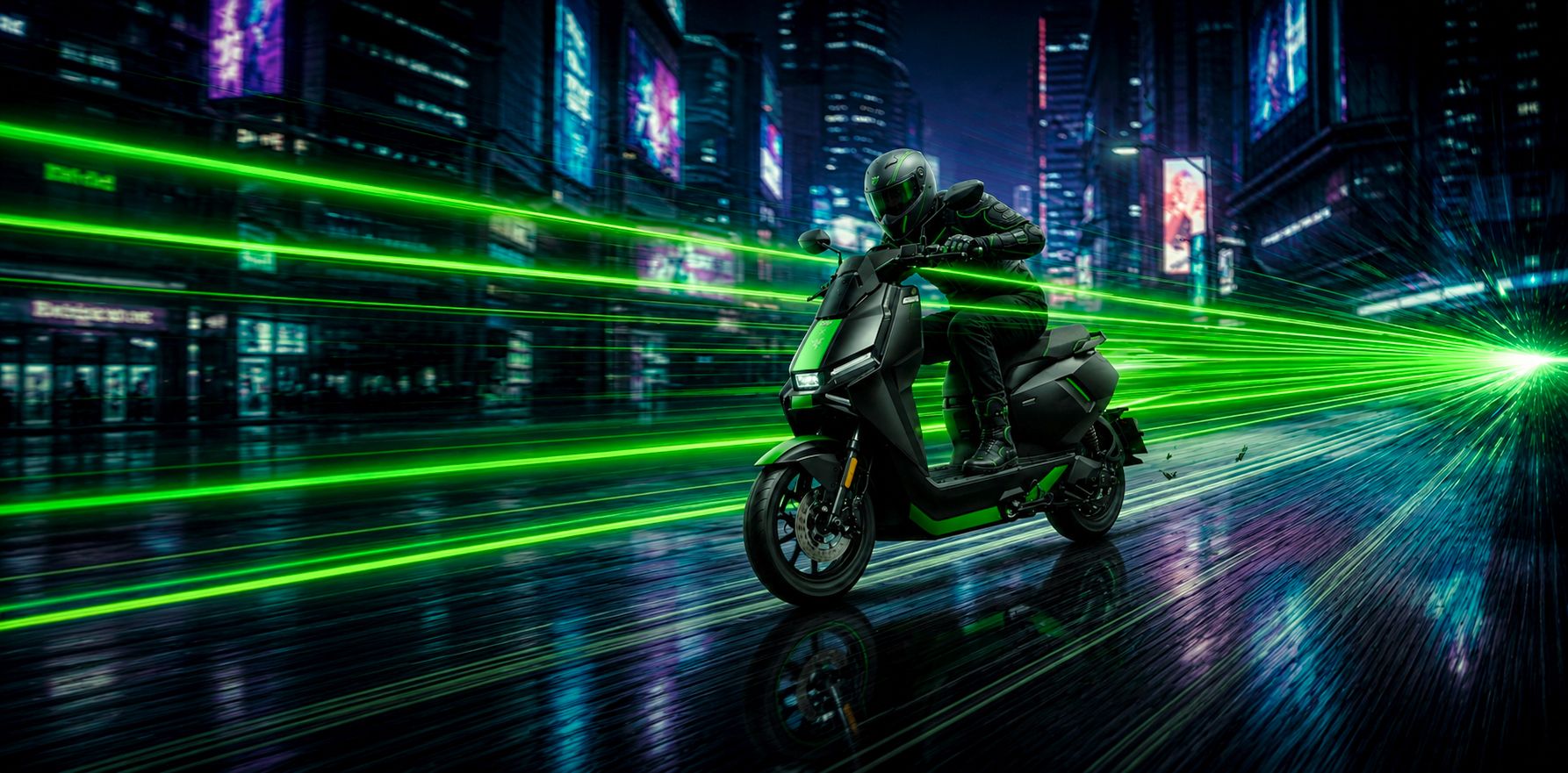
Special editions frequently become less convincing when manufacturers try to invent technical reasons for what is fundamentally a styling exercise. Here, the attraction is straightforward: take an established NIU electric scooter and make it look like a Razer product.
There is actually some logic to the partnership as both brands target relatively young, technology-focused customers. NIU has spent years pushing connectivity and smart functions as part of its electric two-wheelers, while Razer built its reputation around gaming hardware, distinctive design and an almost impossible-to-miss green logo.
Put the two audiences together and the crossover starts making sense. The timing is interesting, too.
Electric scooters and mopeds are becoming much more sophisticated than the simple battery-and-motor machines that helped establish the category.
NIU’s current NQiX family, for example, offers connected functions, TFT displays and increasingly serious performance. The NQiX 300 reaches 80 km/h and offers up to 120 km of claimed range, showing how far the company’s urban electric products have moved beyond basic low-speed mobility.
That also changes how these machines are marketed. If an electric two-wheeler is merely cheap transport, buyers mostly care about range, price and whether it gets them to work.
Once prices and technology increase, design starts mattering more. And people will begin buying them because they actually want the product, not simply because running costs are low.
And that’s where collaborations like Razer become useful. Nobody needs neon-green detailing to commute. Nobody needs RGB lighting on a computer mouse either, yet Razer built an enormous business around making technology feel personal.
The FQiX Special Edition applies much the same thinking to urban mobility. Whether that makes it better value than the standard machine is another question.
Special editions inevitably ask buyers to place some financial value on exclusivity and appearance, neither of which makes the battery last longer. But at least this collaboration isn’t pretending otherwise.
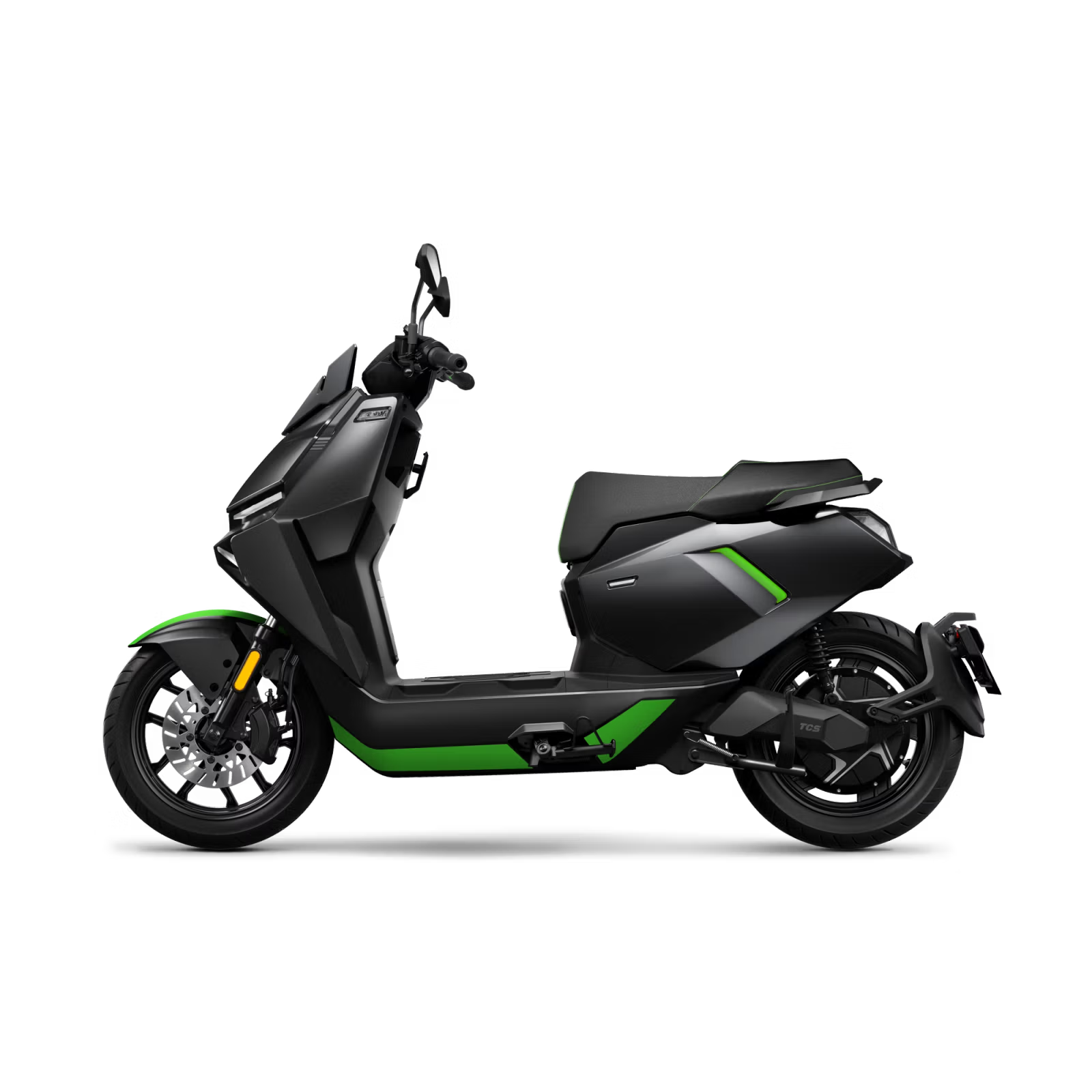
If you already like Razer’s design language, the FQiX suddenly becomes considerably more distinctive than most electric scooters parked beside it. If you don’t, NIU has plenty of less fluorescent alternatives.
Either way, it’s nice to see an electric scooter manufacturer acknowledge that commuting equipment doesn’t have to look like commuting equipment.
Sometimes ridiculous green accents are allowed.