Categories
Segway News

Segway MAX G3 NL Can Finally Be Ridden Legally on Dutch Roads – but You’ll Need a Number Plate

The Netherlands should be an obvious market for electric kick scooters. Cities are compact, cycling infrastructure is excellent and short urban journeys are part of everyday life.

There’s just been one rather large problem. Most eKickScooters haven’t been legal on Dutch public roads.

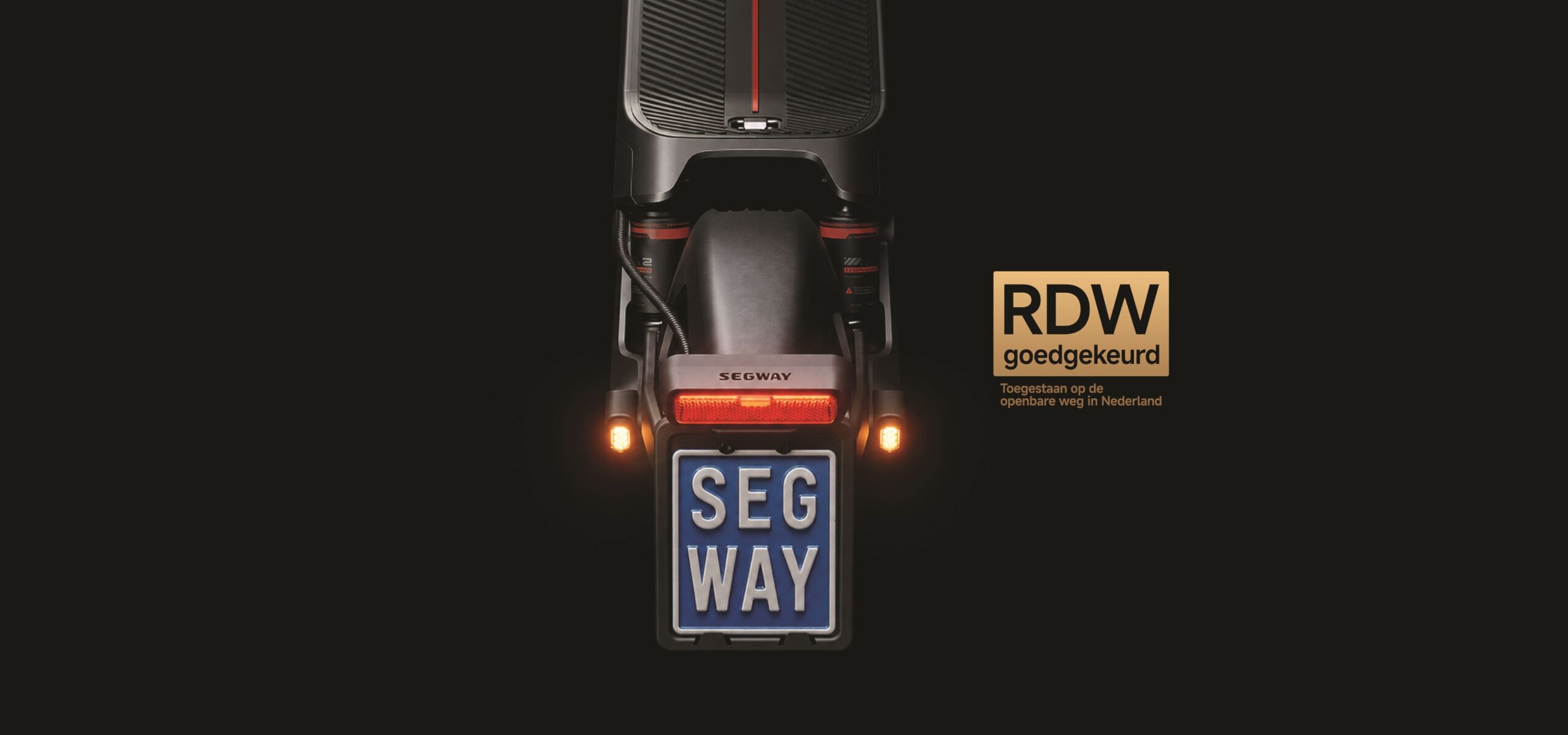
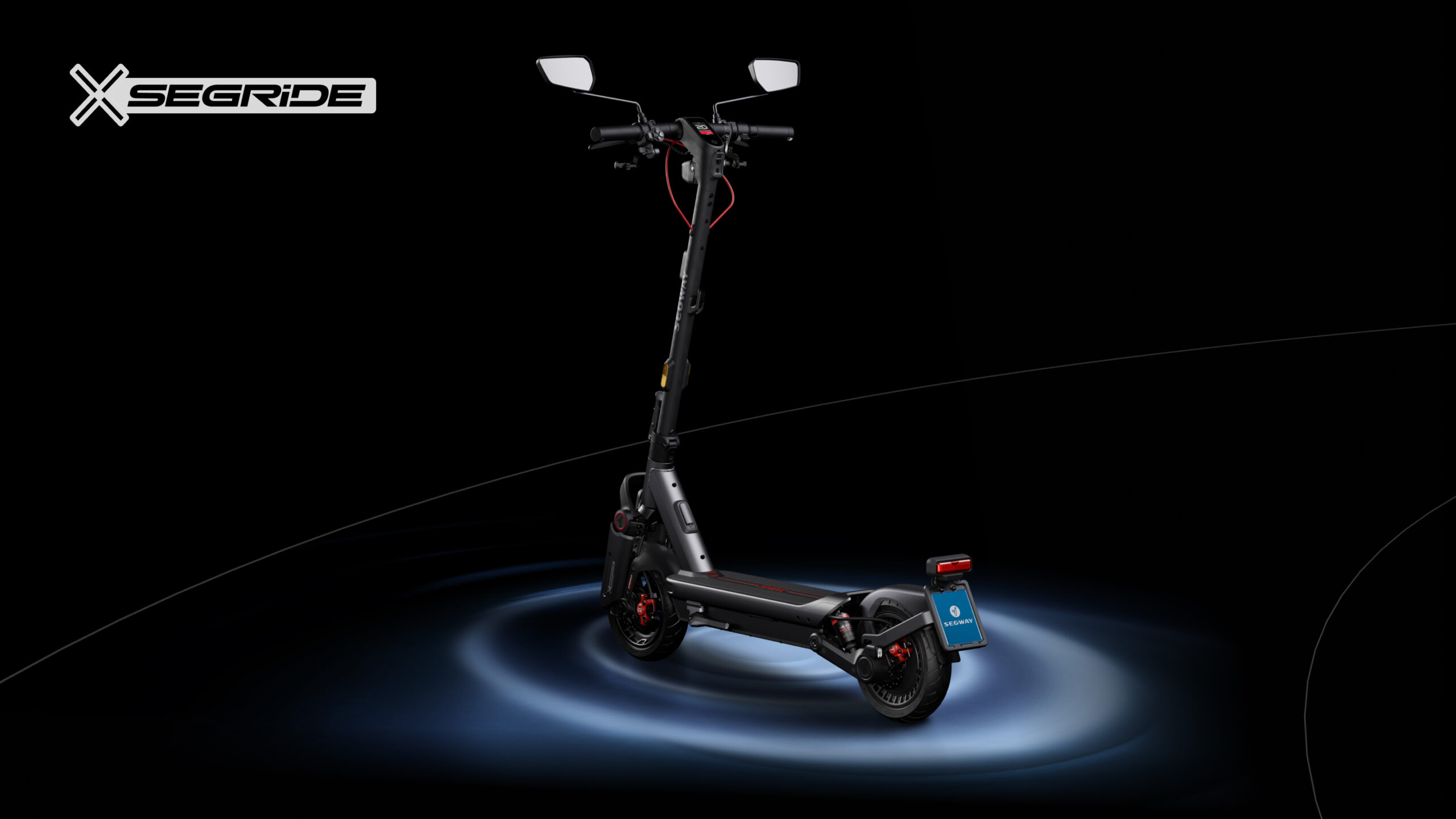
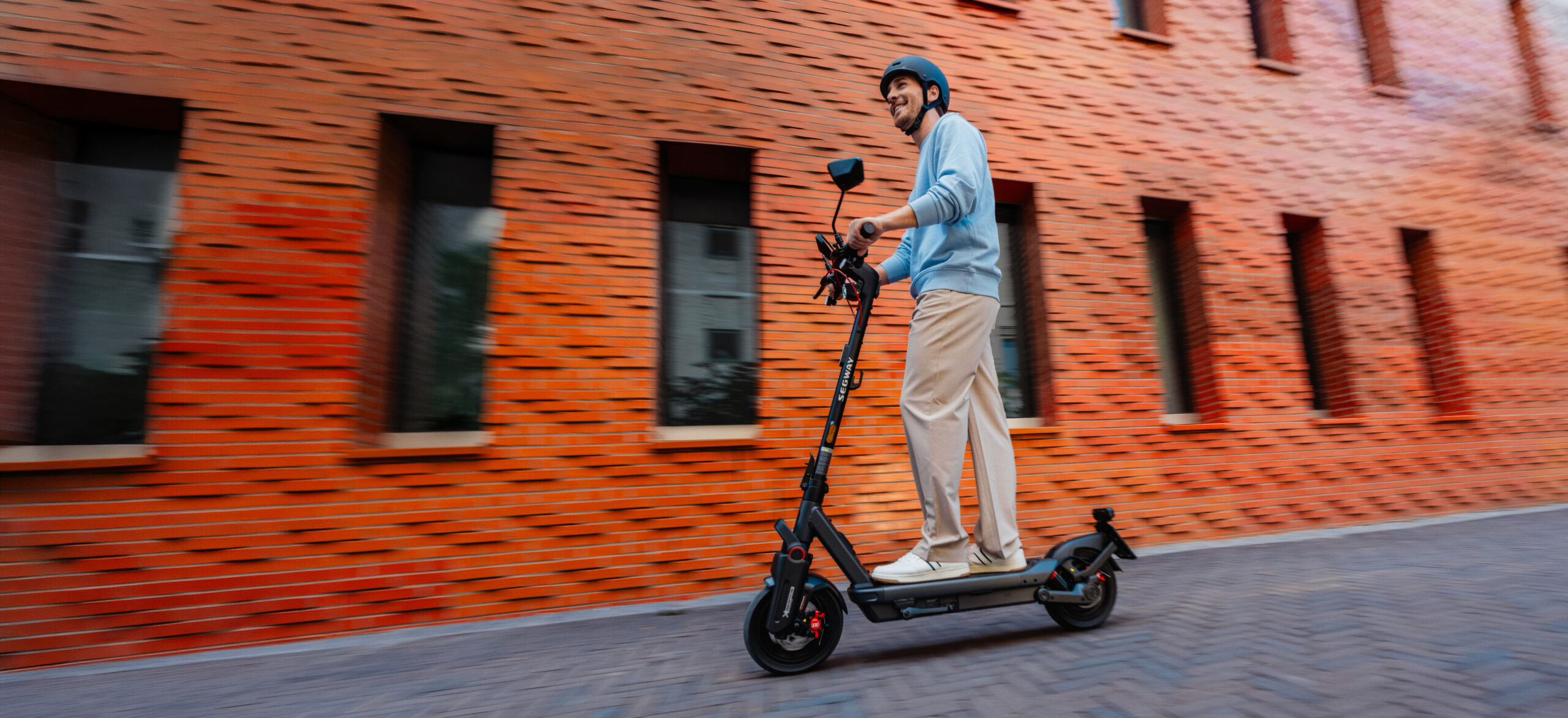
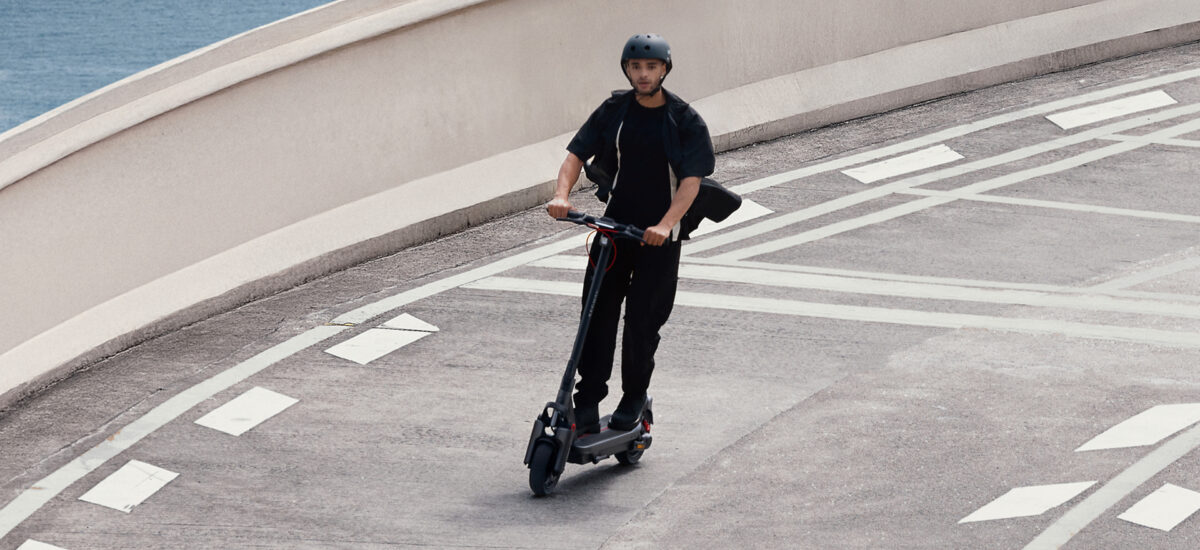
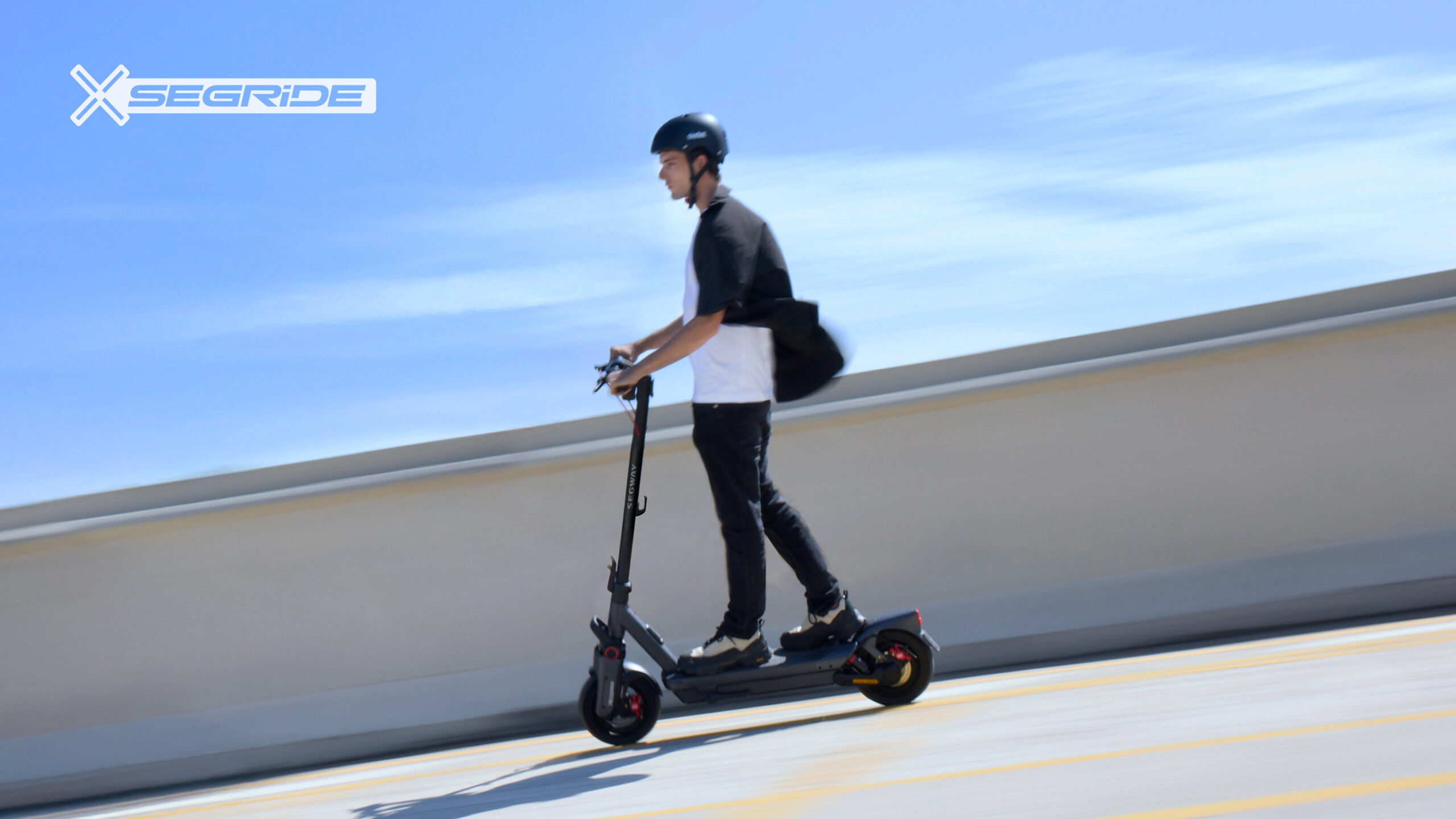
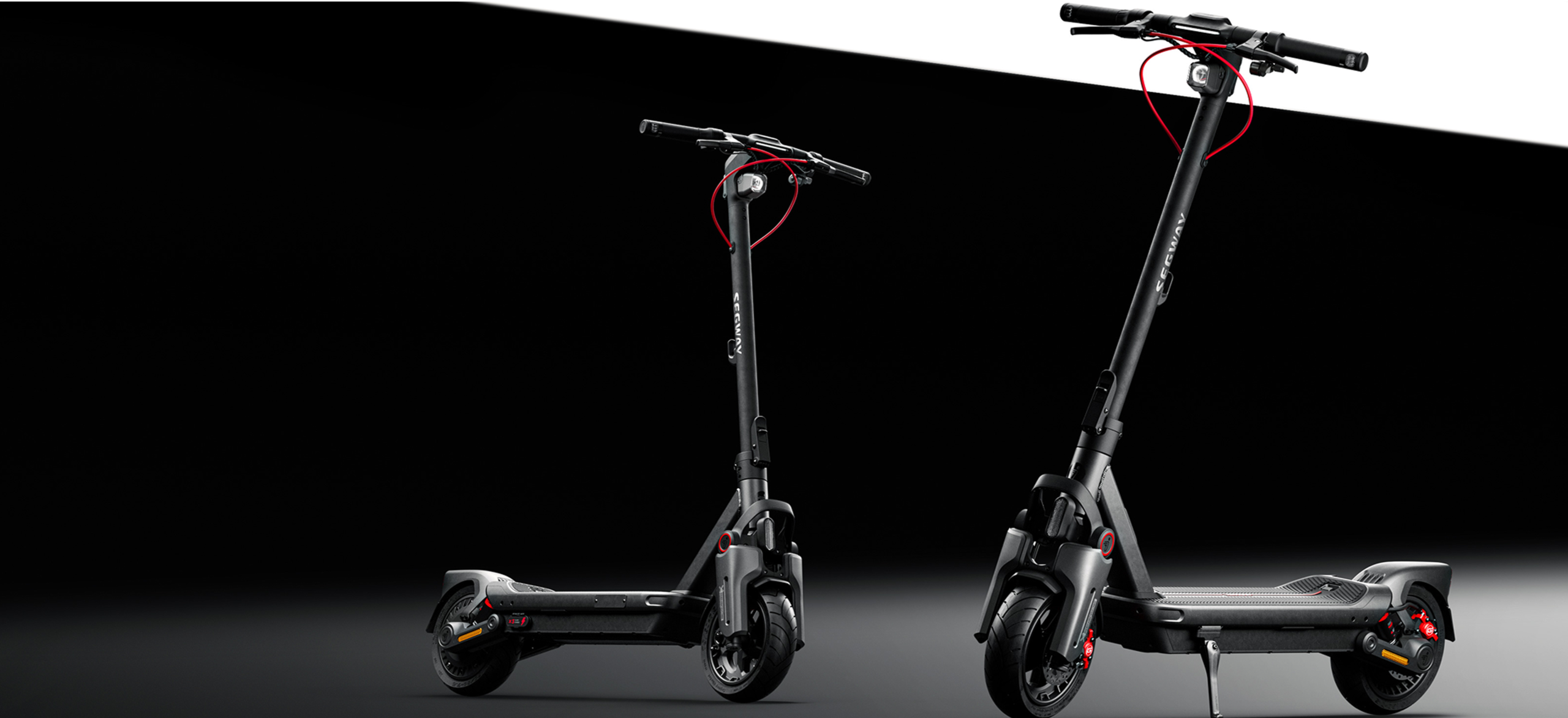
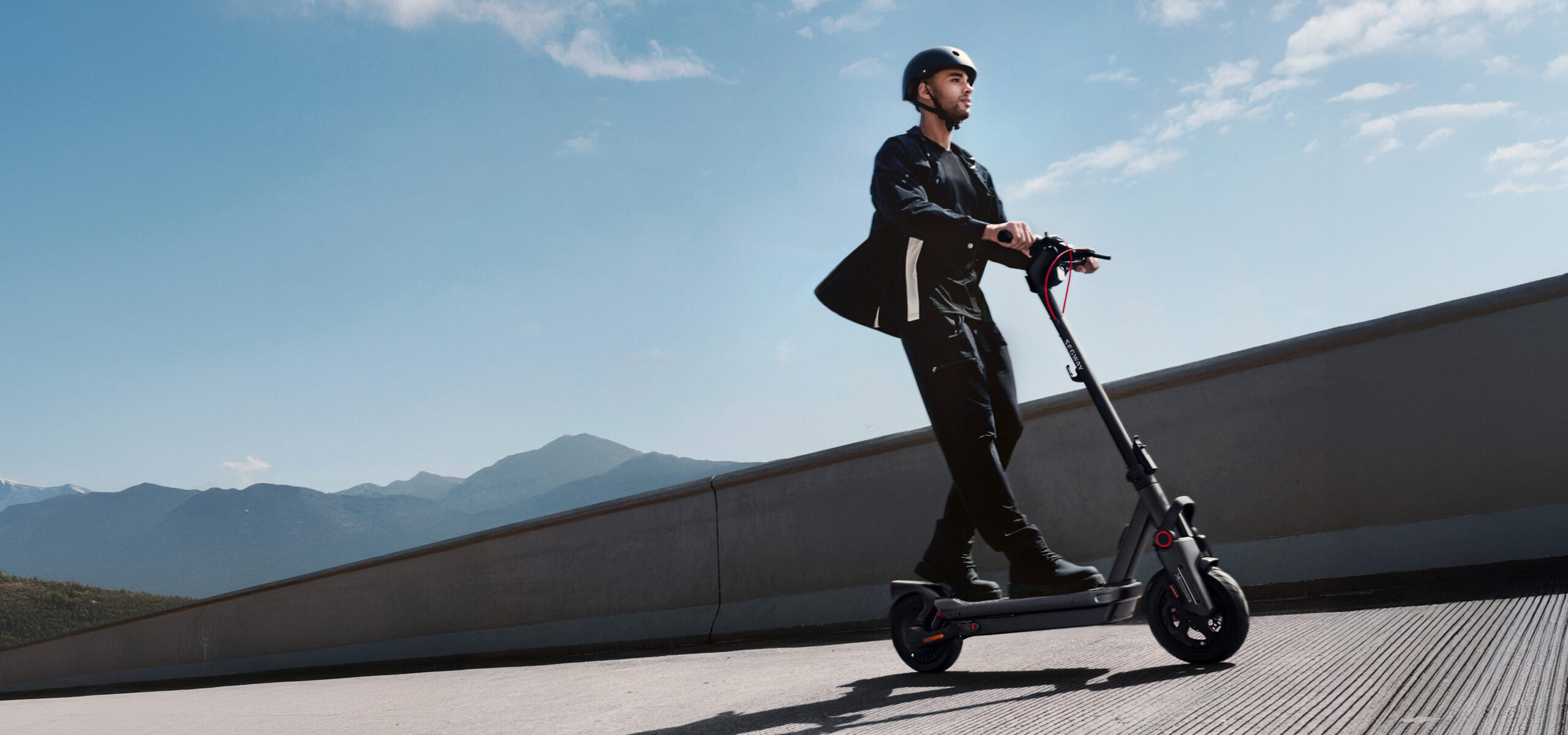
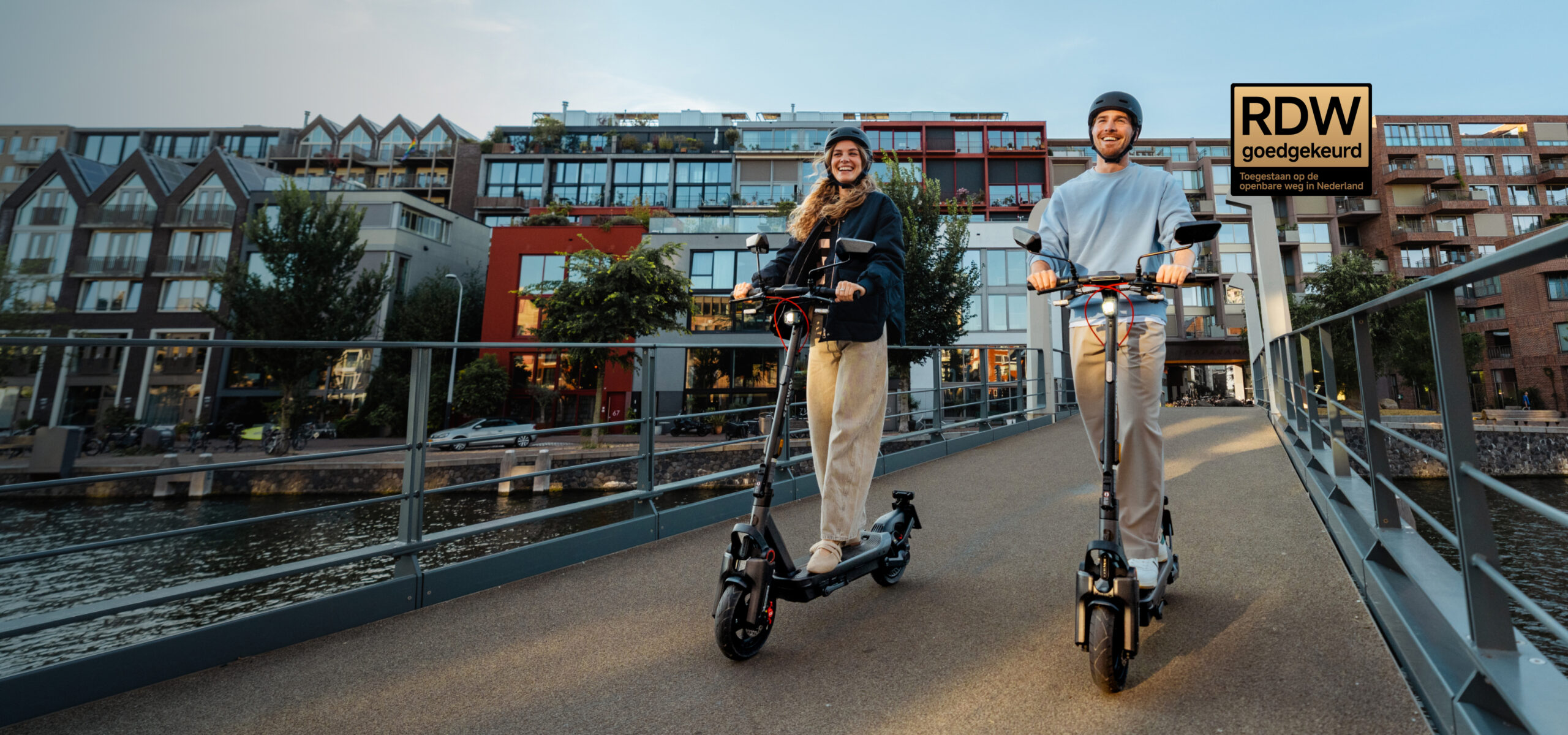
Segway is preparing to change that with the Ninebot MAX G3 NL, its first KickScooter developed specifically to receive approval from the Dutch RDW. The company expects it to reach the Netherlands this autumn at a price of around €1,000.
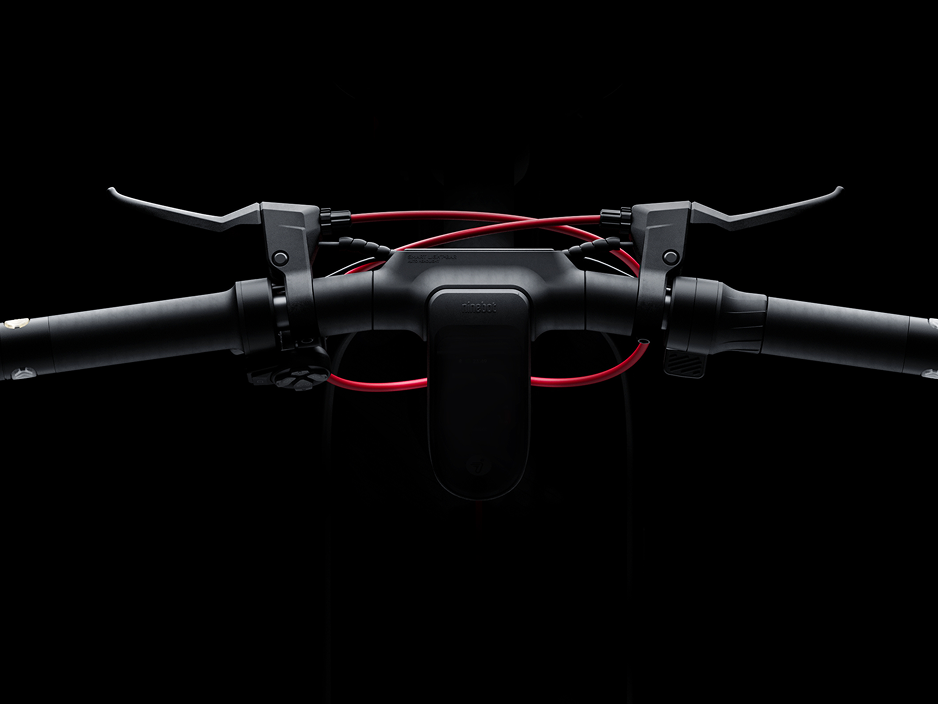
Segway Ninebot MAX G3 NL (9)
Segway Ninebot MAX G3 NL

The interesting part isn’t outright performance. Segway already sells faster and more powerful scooters elsewhere, including other versions of the MAX G3.

This one is about paperwork.

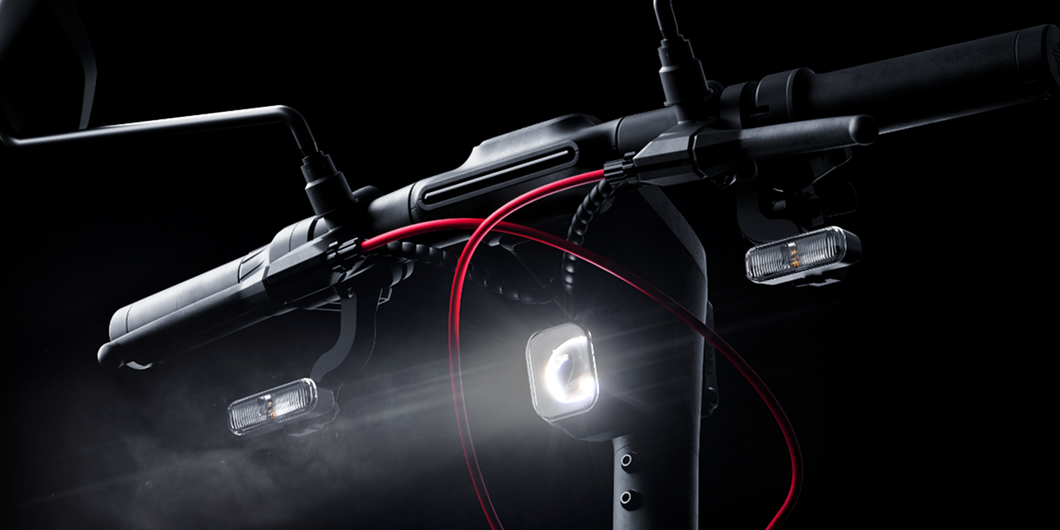
The MAX G3 NL has been adapted to meet Dutch technical and regulatory requirements. Once registered, fitted with a licence plate and insured, it can legally be used on public roads. Riders need to be at least 16 years old, although a driving licence isn’t required.

That makes it a very different proposition from buying an imported scooter and hoping nobody asks too many questions.

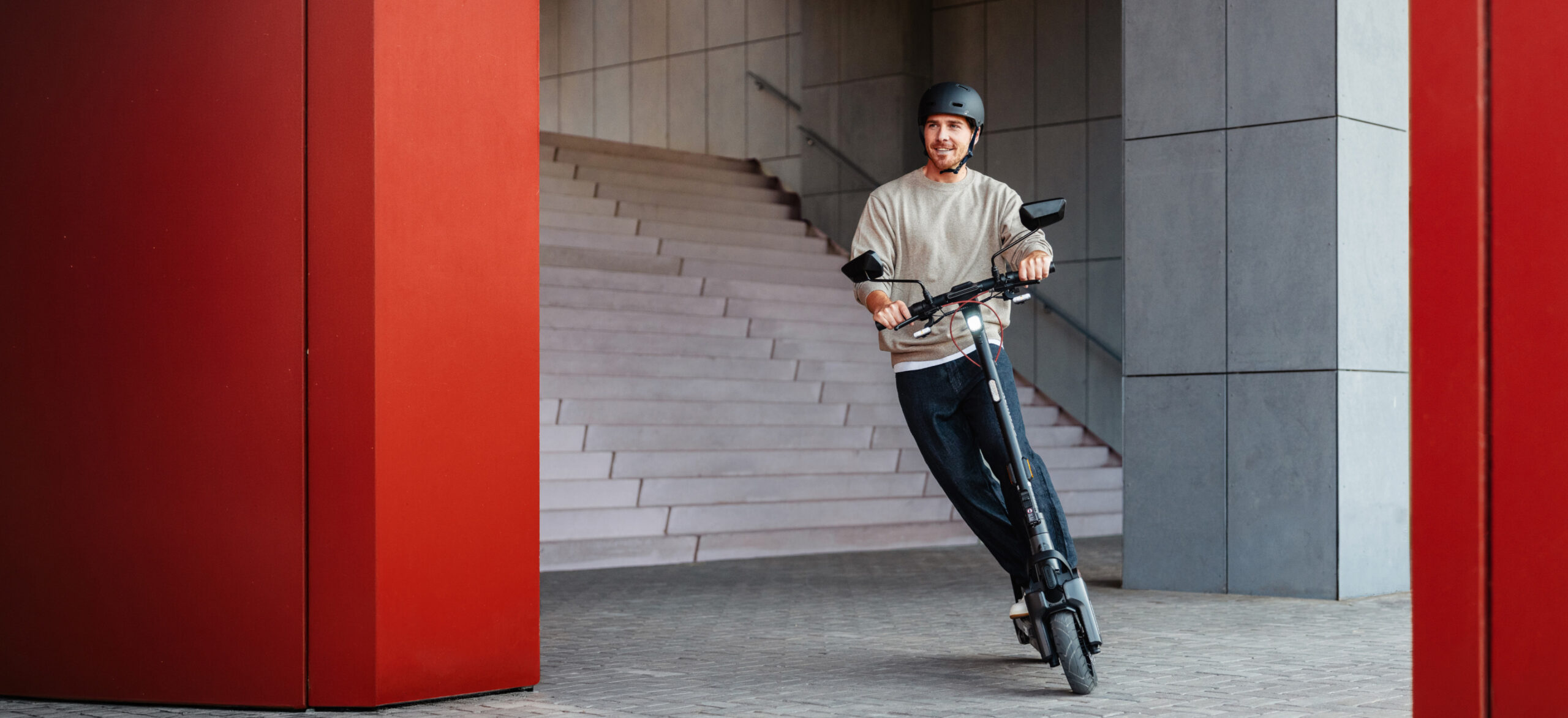
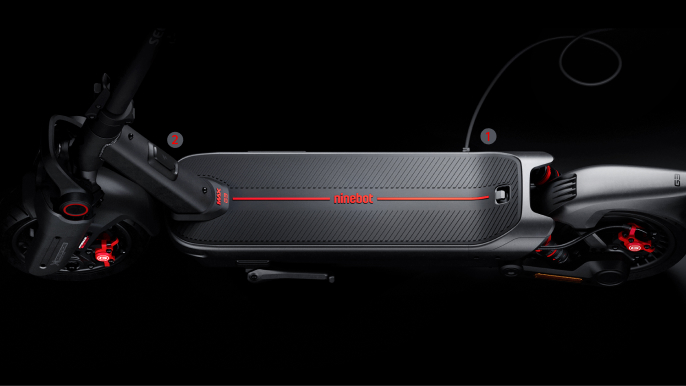
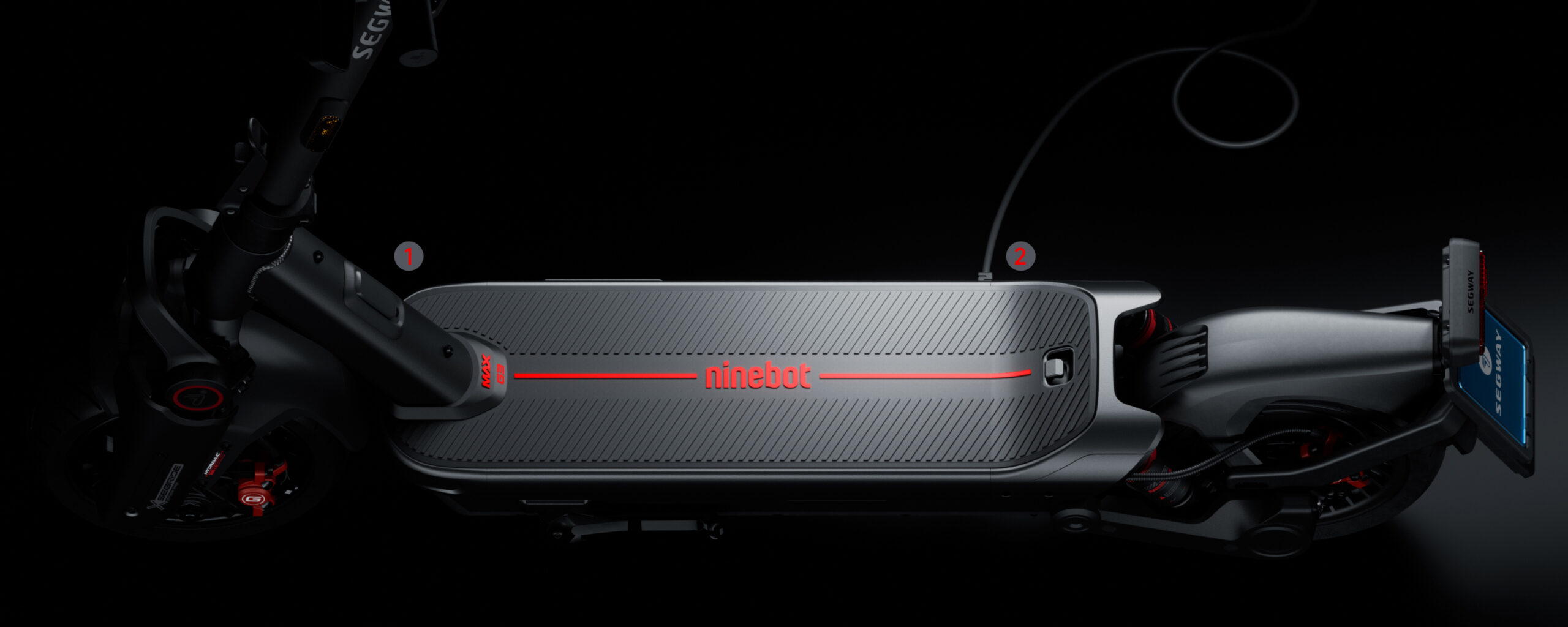
Segway hasn’t released the complete final specification yet, which is worth keeping in mind. More information on the finished model, availability and final retail price is due separately. What the company has confirmed is the familiar folding format, allowing the scooter to be stored at home or taken into an office rather than left outside.
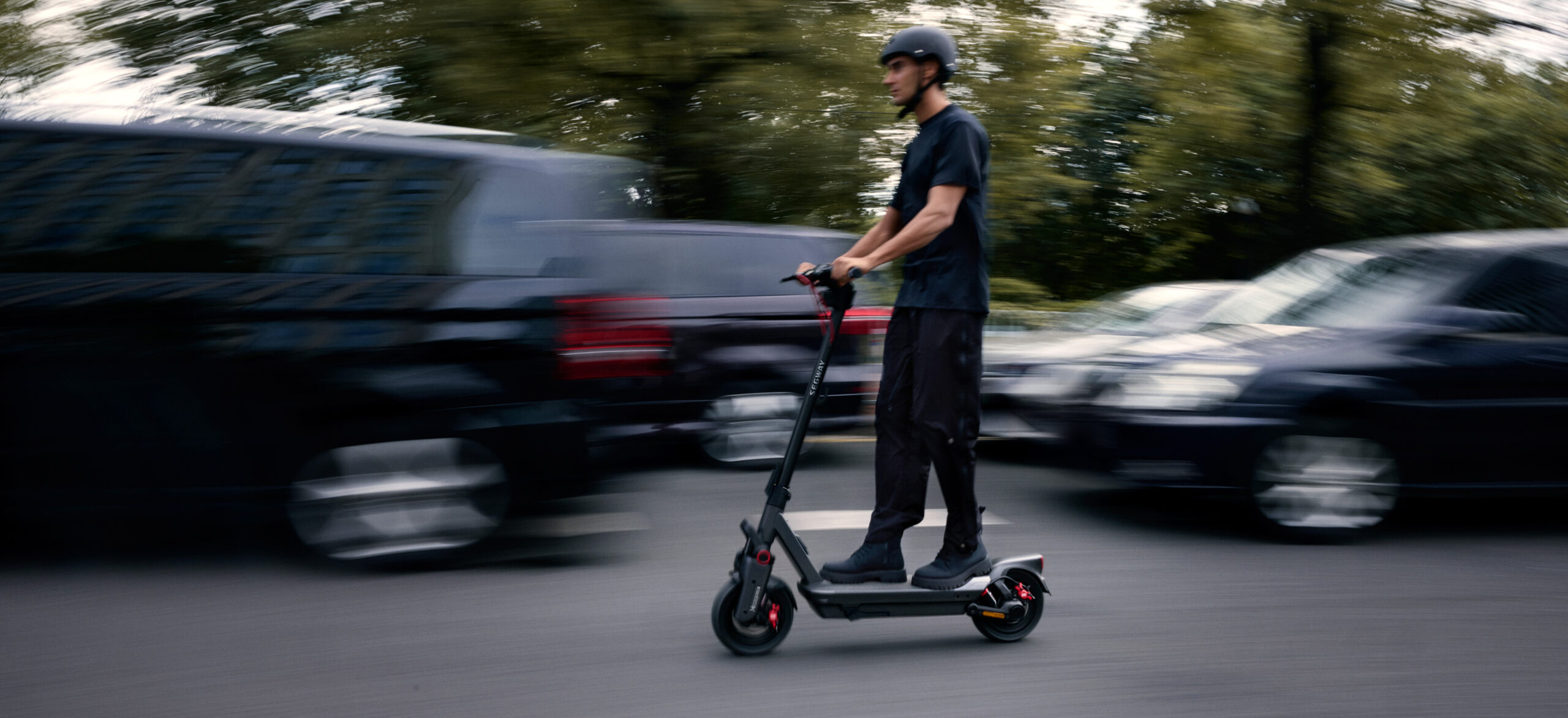
Segway Ninebot MAX G3 NL (4)
Segway Ninebot MAX G3 NL

Around €1,000 isn’t cheap for a kick scooter.

Dutch legality changes the comparison, though. Previously approved alternatives have tended to cost considerably more, and Segway is clearly hoping the MAX G3 NL can turn a tiny niche into something closer to a normal transport option.

There is a certain irony here.

Electric scooters are often sold on simplicity. Fold one up, charge it and ride. In the Netherlands, making that simple little machine legal requires registration, insurance, a number plate and a version engineered specifically around national rules.

At least buyers will finally know where they stand.

For Segway, the MAX G3 NL may also become more important than another specification-sheet battle over peak watts or theoretical range. If a €1,000 approved model sells well, other manufacturers will have a fairly good reason to go through the same RDW process.

Dutch streets probably won’t fill with scooters overnight. But for the first time, Segway is preparing one that can be there without breaking the rules.
Categories
Segway News

Segway Ninebot MAX G3 E Has 2,000 Watts and 65 KM of Real-Speed Range – but It Is Starting to Feel More Like a Vehicle Than a Scooter

Electric kick scooters used to be wonderfully simple machines. A battery, a small motor, two wheels and something to stand on were basically enough.

The Segway MAX G3 E shows how far the category has moved from that formula.

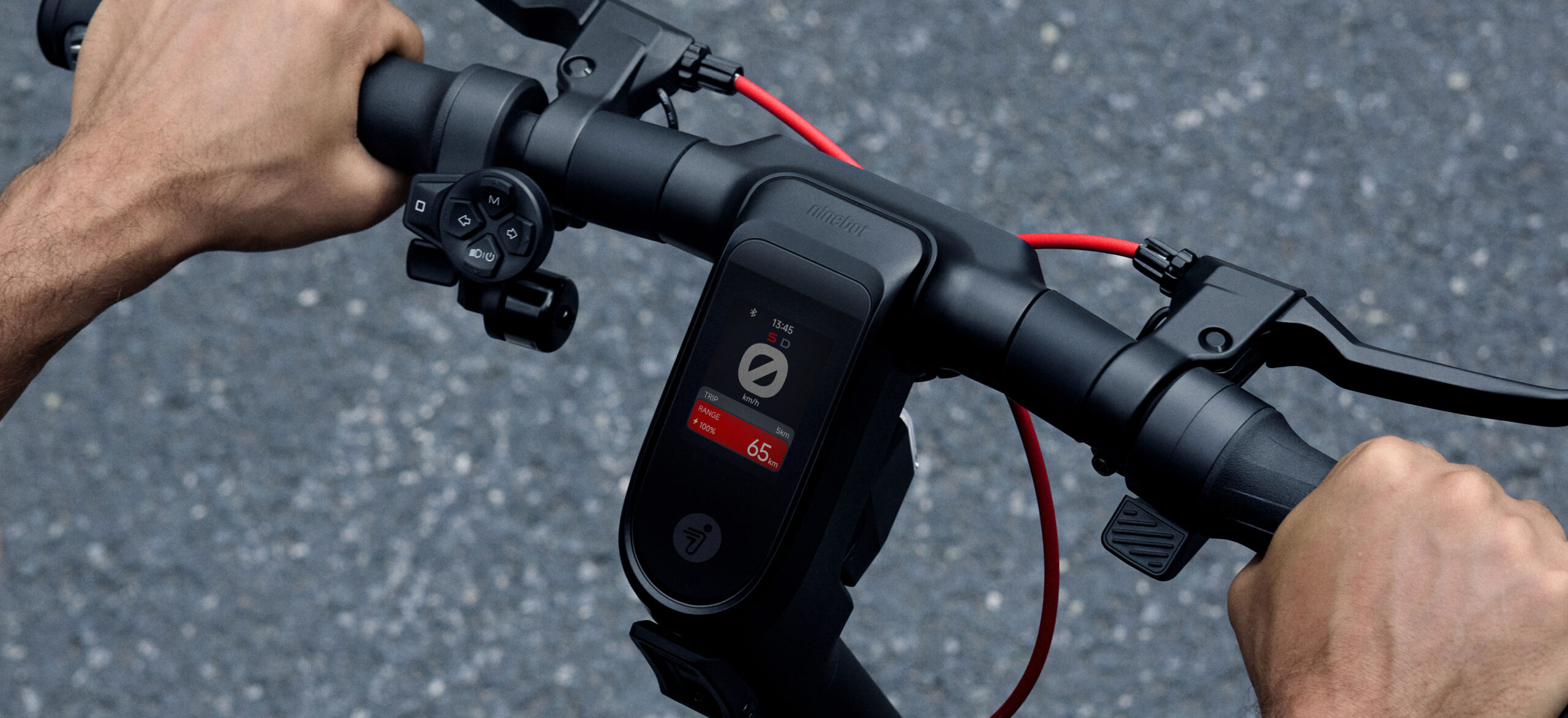
Segway’s latest MAX uses a motor capable of 2,000 watts of peak power, while the European version is limited to 25 km/h. The more useful figure, however, is range: Segway quotes up to 65 kilometers while actually travelling at 25 km/h, rather than producing its headline number only at an unrealistically slow test speed.

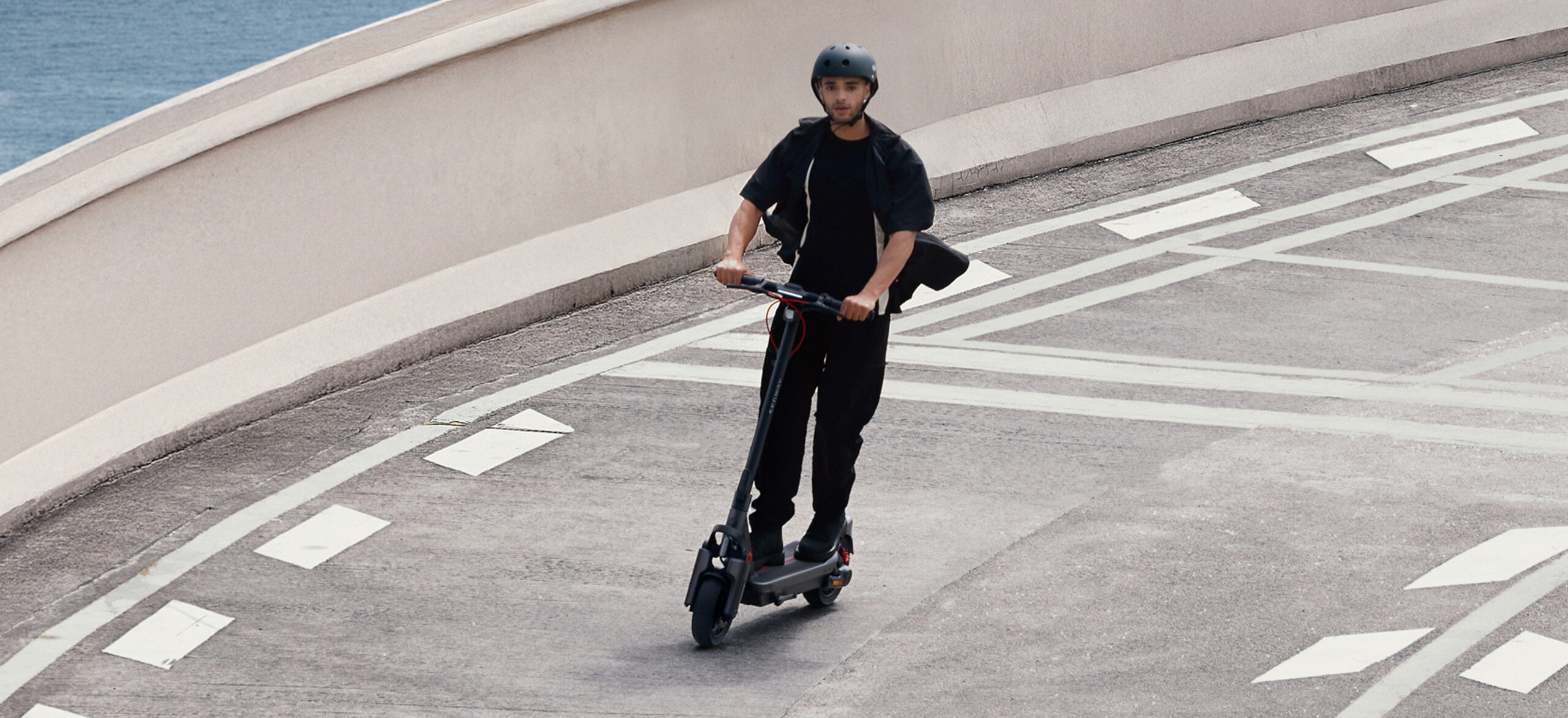
Segway Ninebot MAX G3 E Electric Ki (2)
Segway Ninebot MAX G3 E Electric Ki

Switch to the 15-km/h Eco mode and the claimed figure rises to 80 km.

There’s also an optional 468-Wh external battery. Add that to the standard 597-Wh pack and Segway says the G3 E can travel as far as 105 km at 25 km/h, or 140 km under its slower Eco test conditions.

At that point, range anxiety isn’t much of an argument against commuting by scooter. Comfort may be an even bigger improvement.

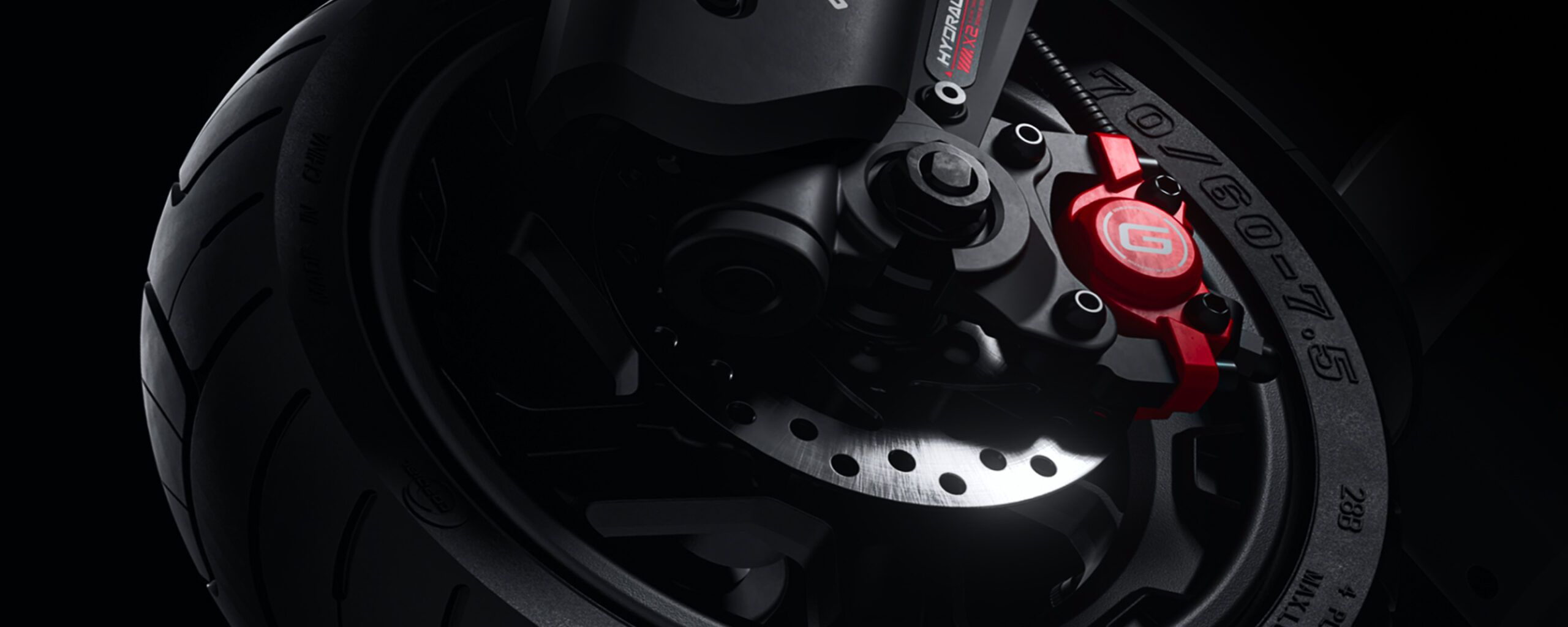
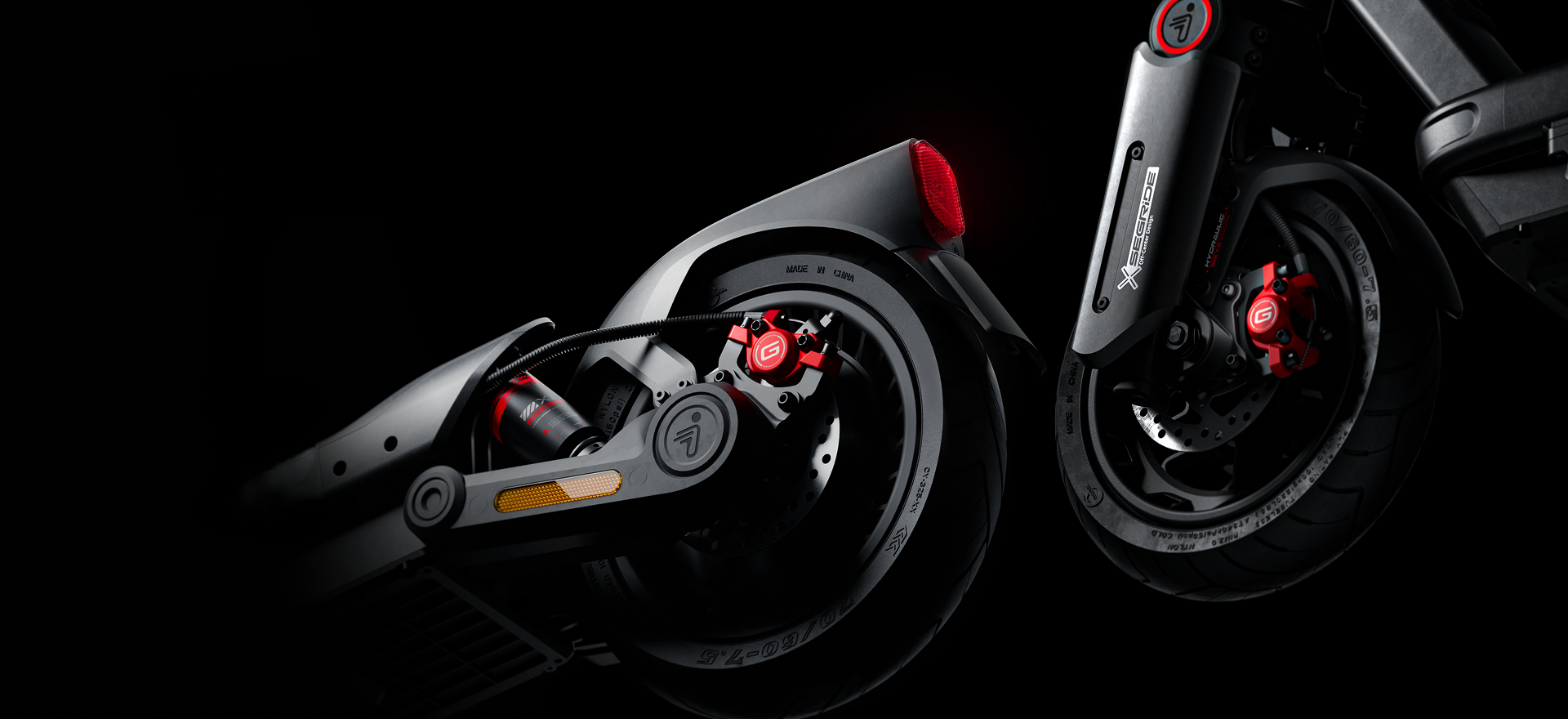
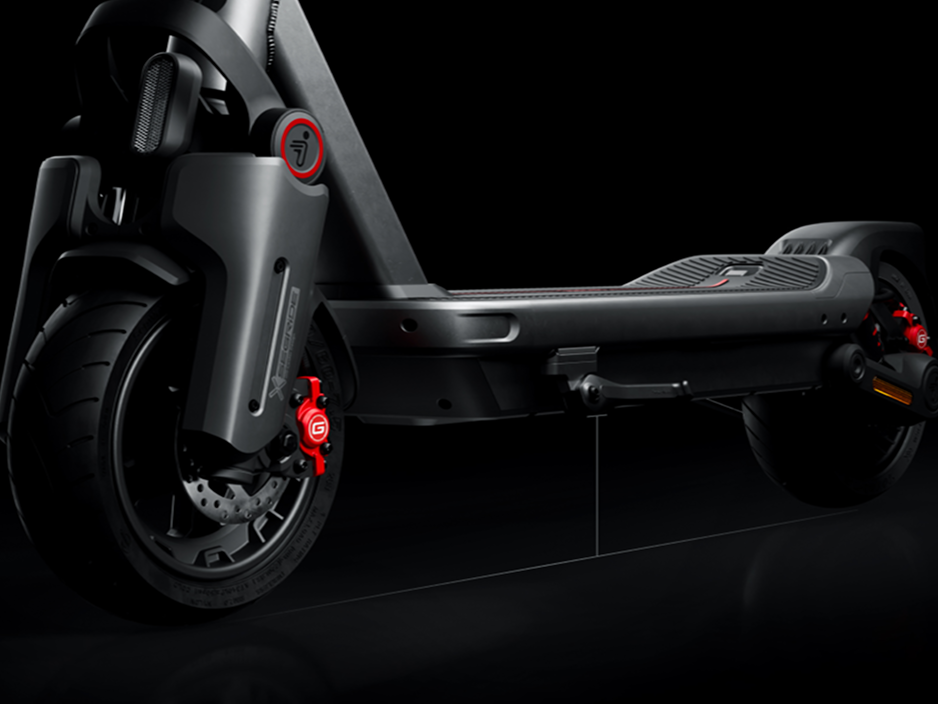
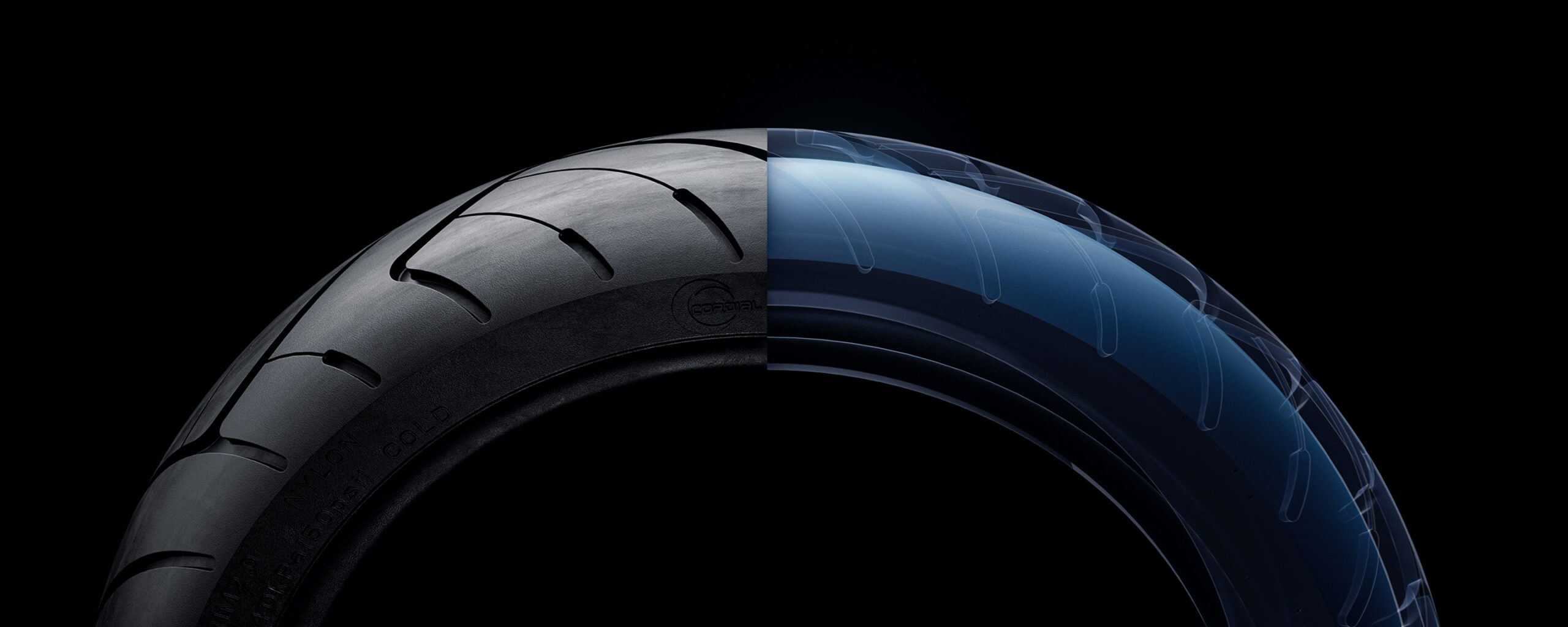
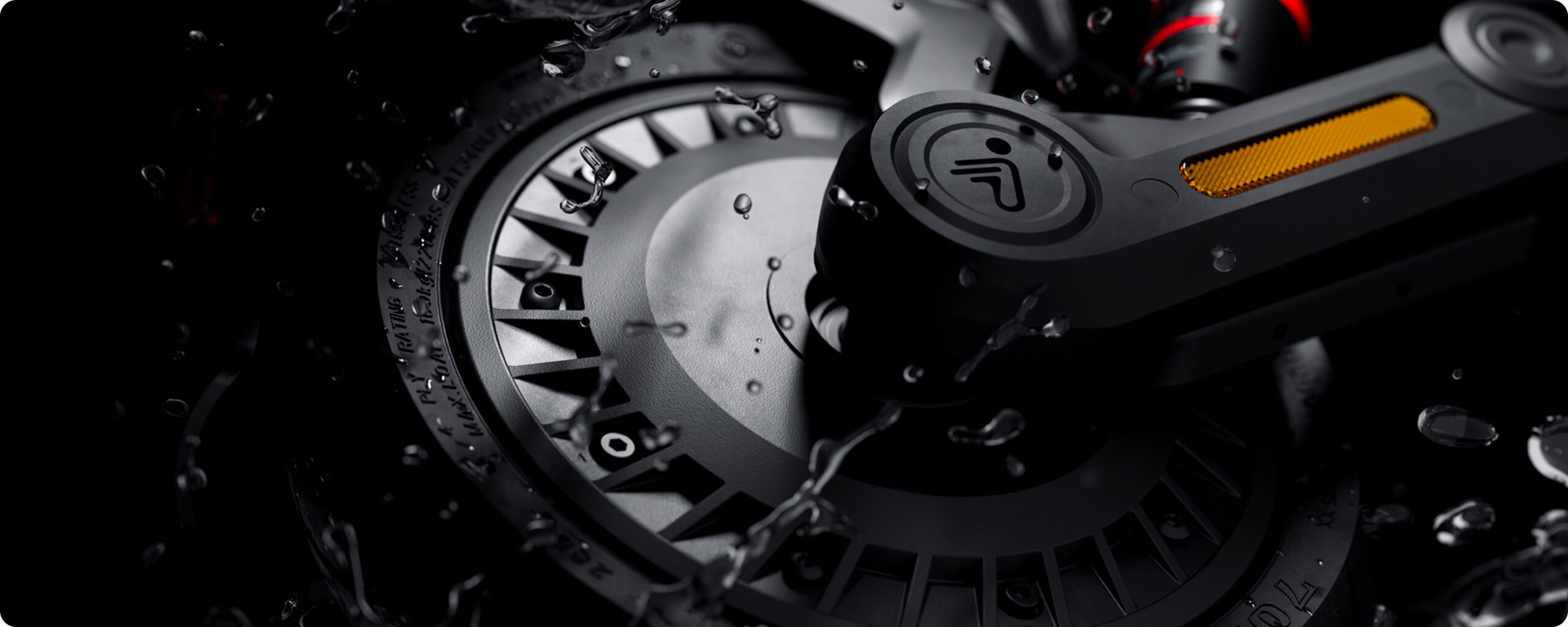
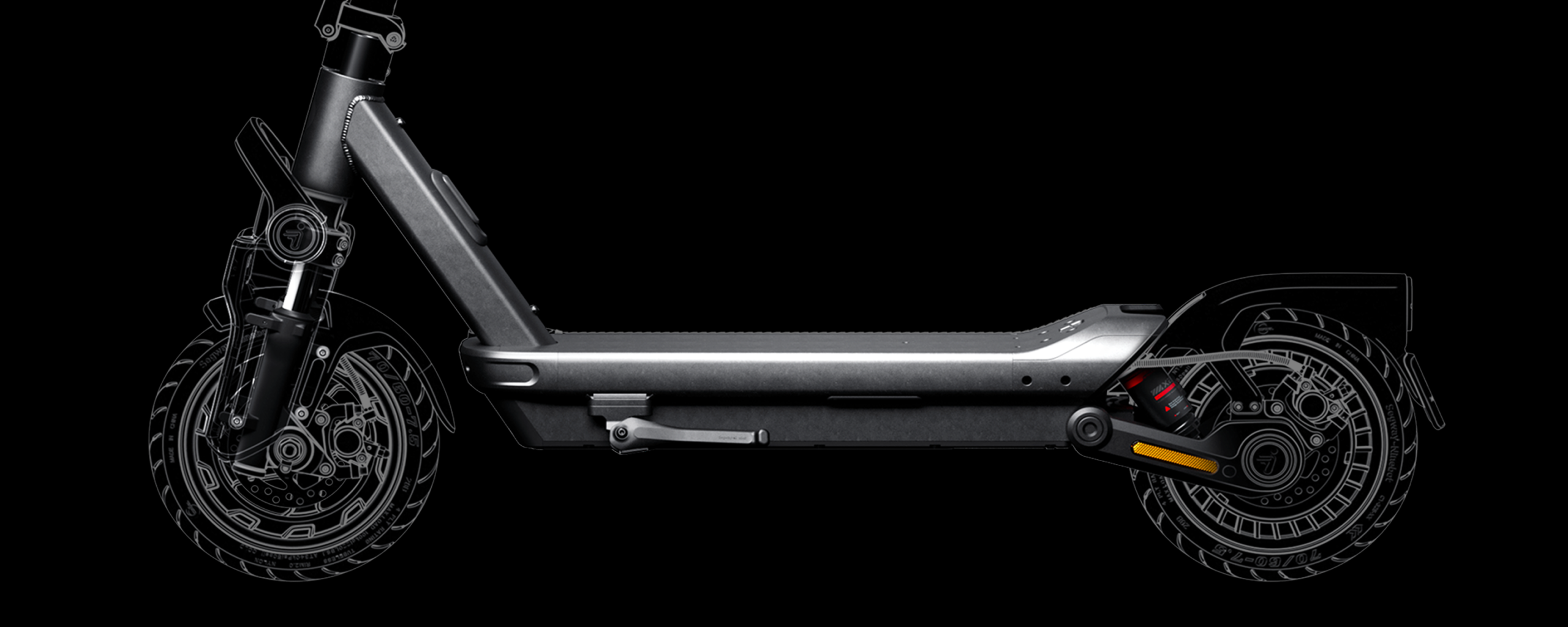
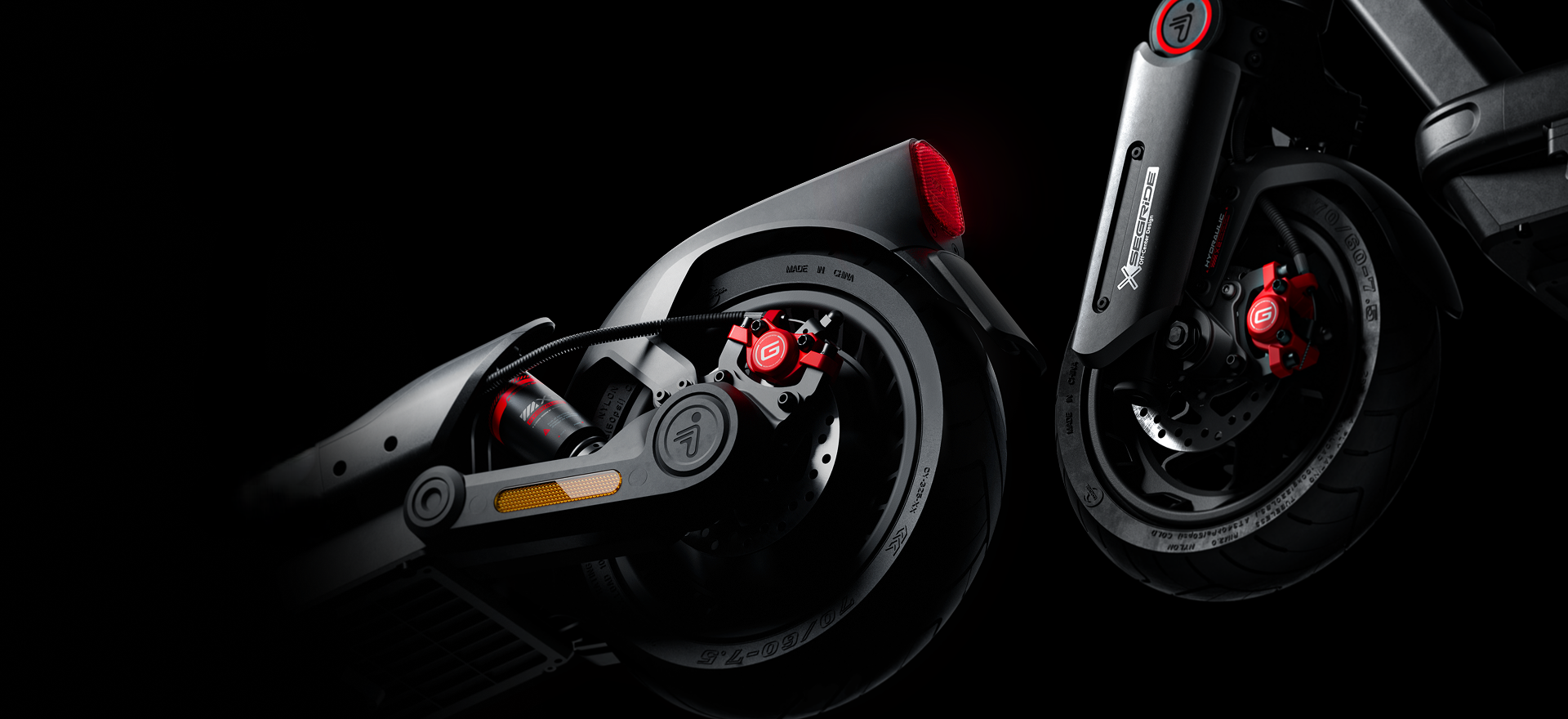
The MAX G3 E gets dual hydraulic suspension at the front and adjustable hydraulic suspension at the rear, combined with 11-inch self-sealing tubeless tires. Anyone who has ridden an older rigid scooter over broken pavement will understand why those specifications matter more than another flashy app feature.

Segway Ninebot MAX G3 E Electric Ki

Braking has received similar attention, with disc brakes at both ends. Segway also includes traction control and what it calls a Stability Enhancement System, while the body has an IPX6 water-resistance rating and the battery itself is rated IPX7.

Then there’s the dashboard.

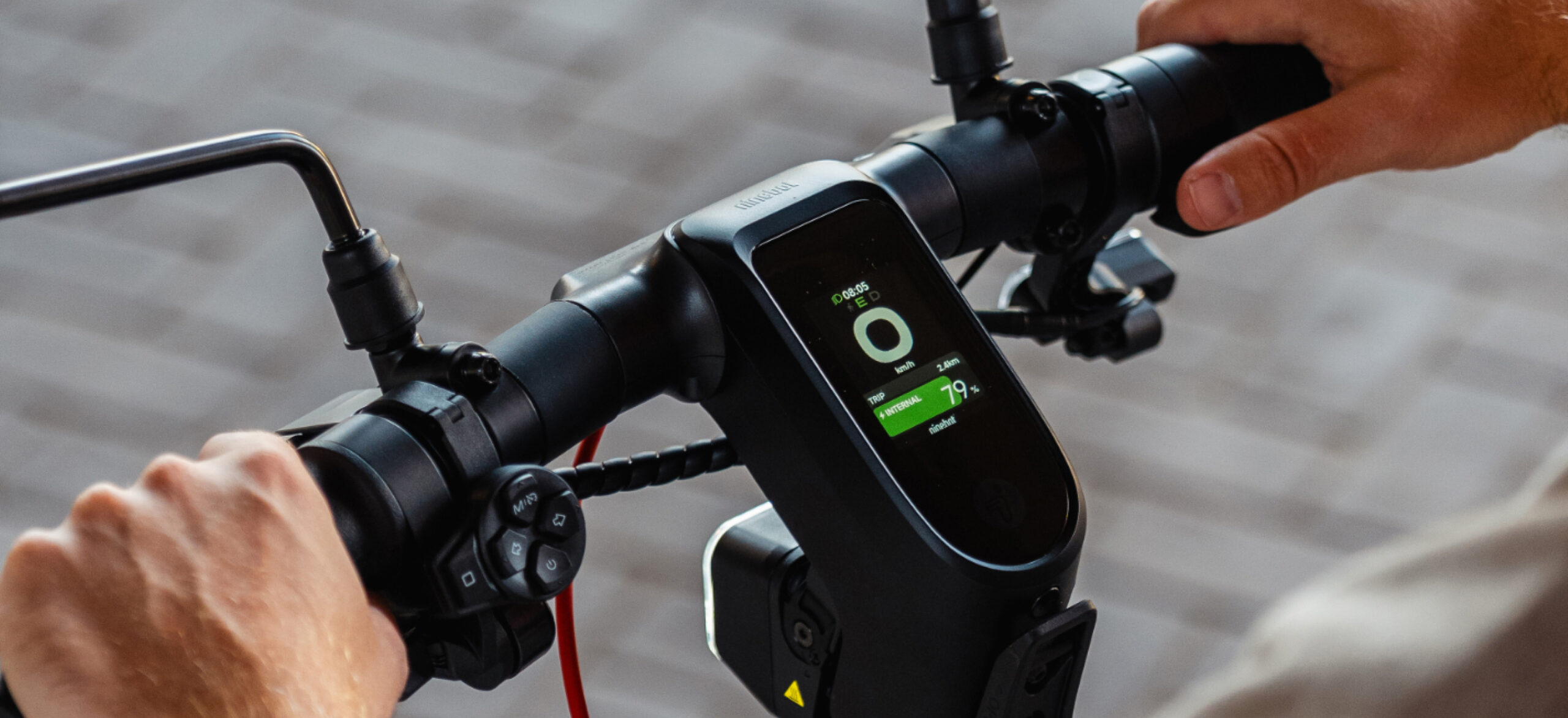
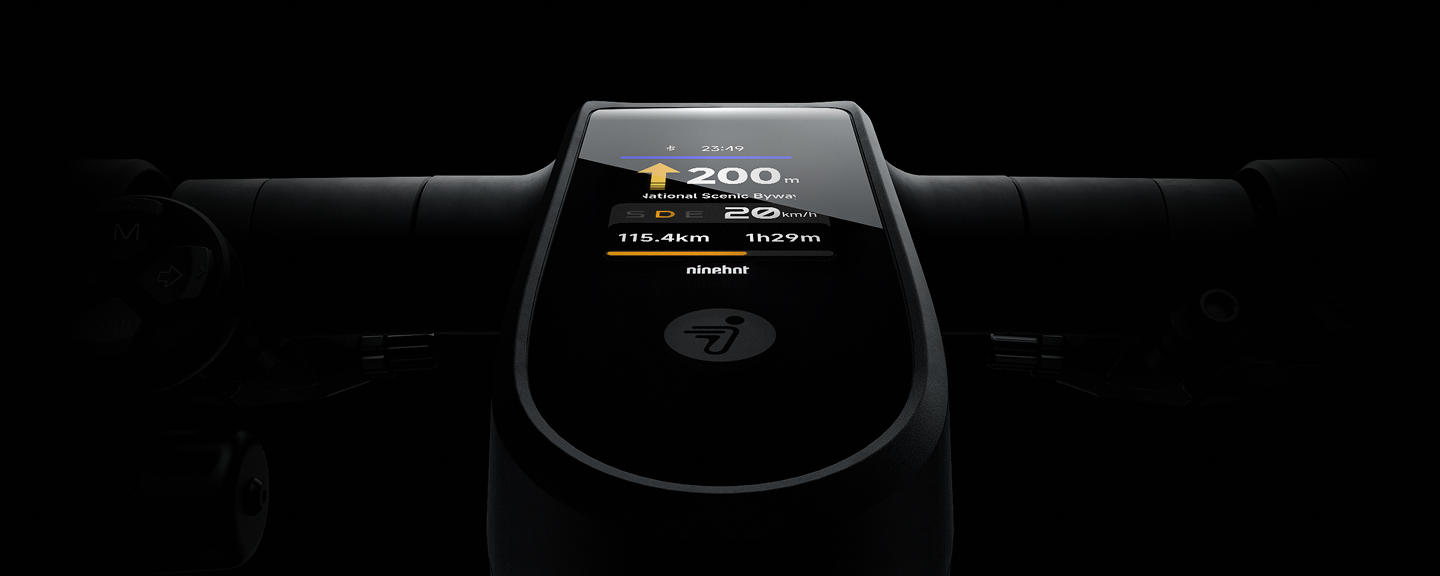
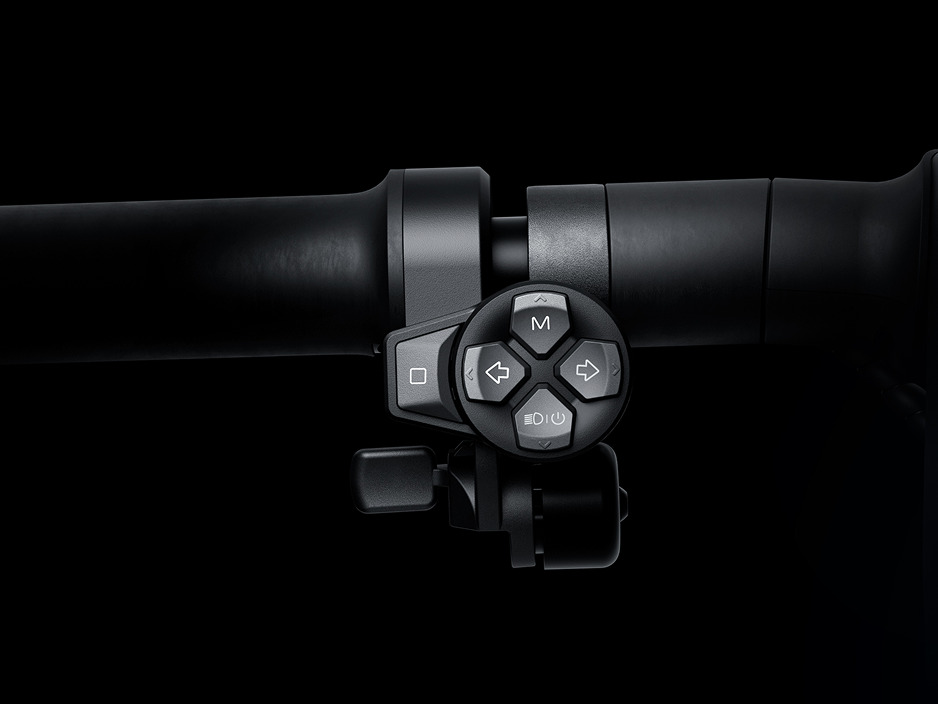
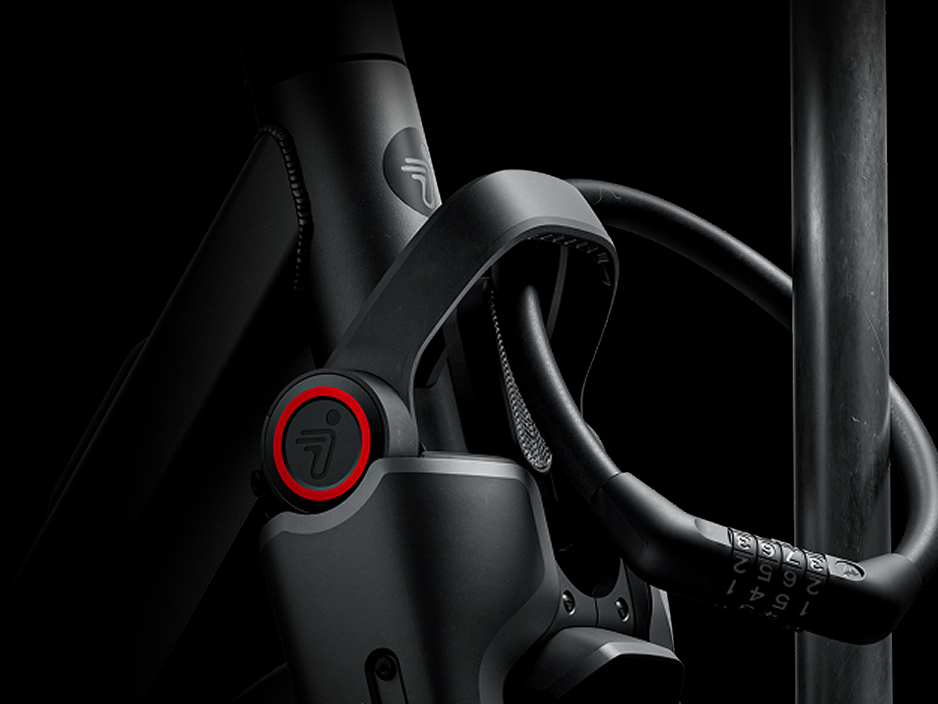
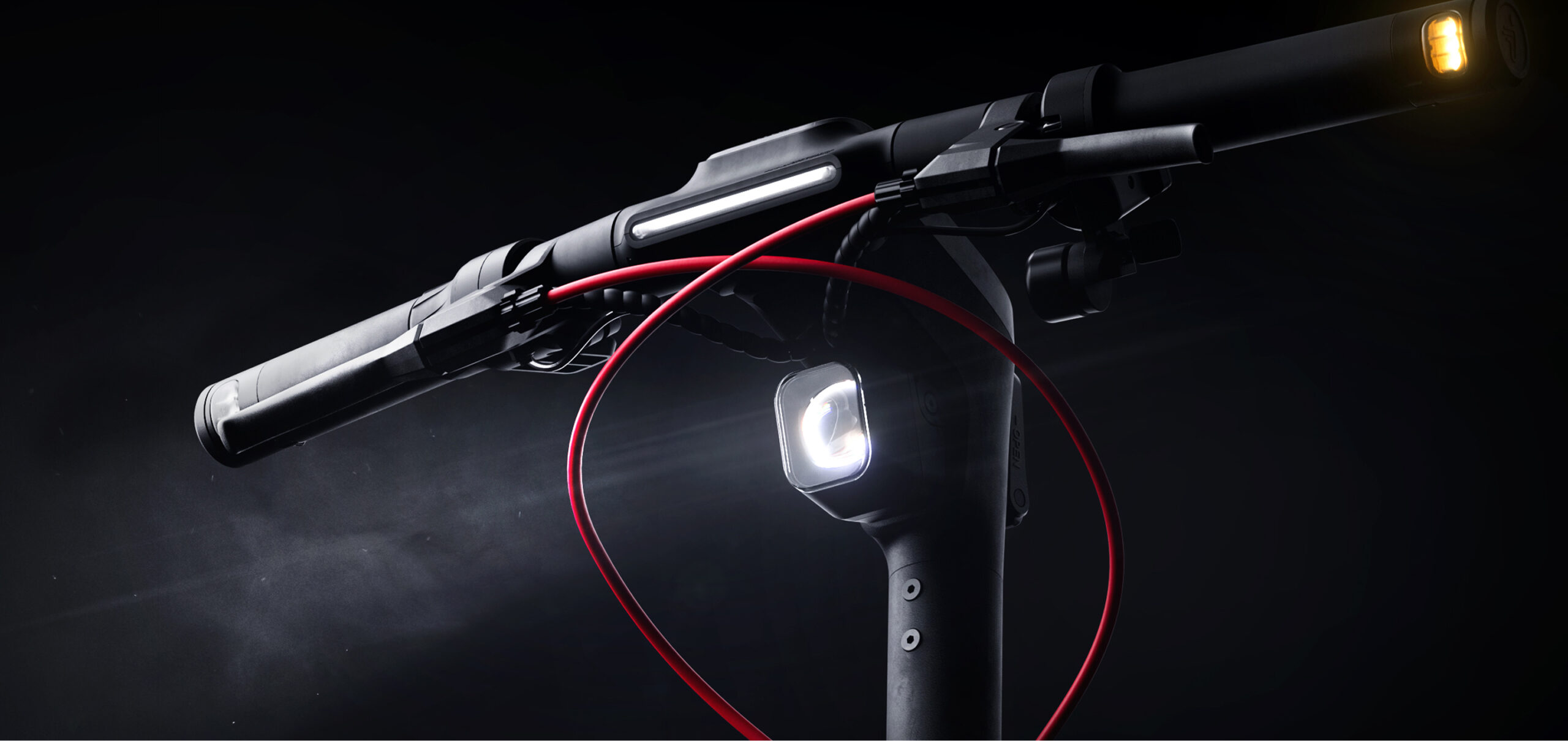
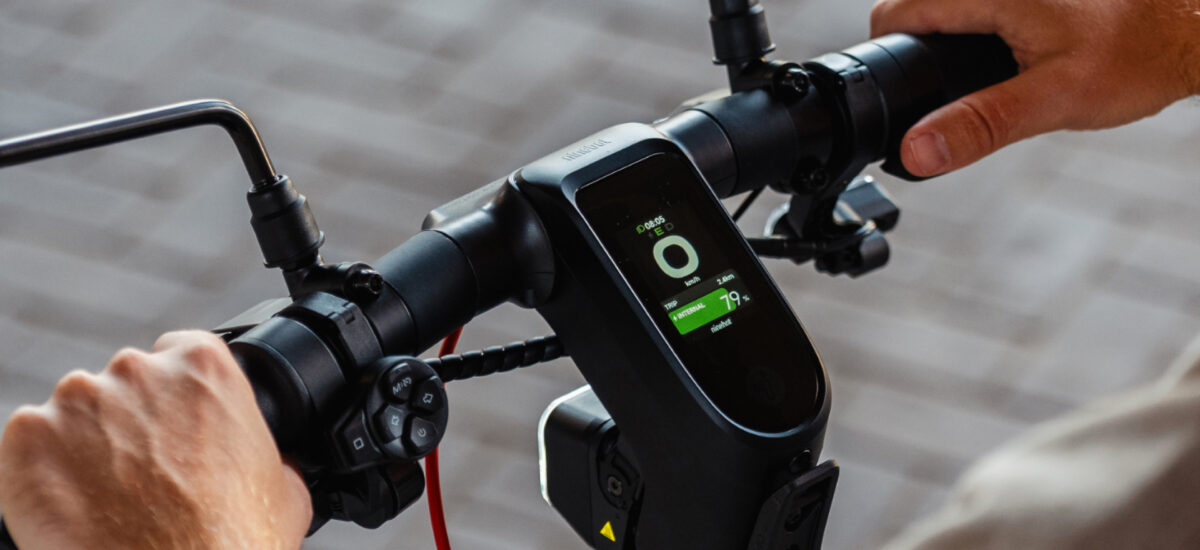
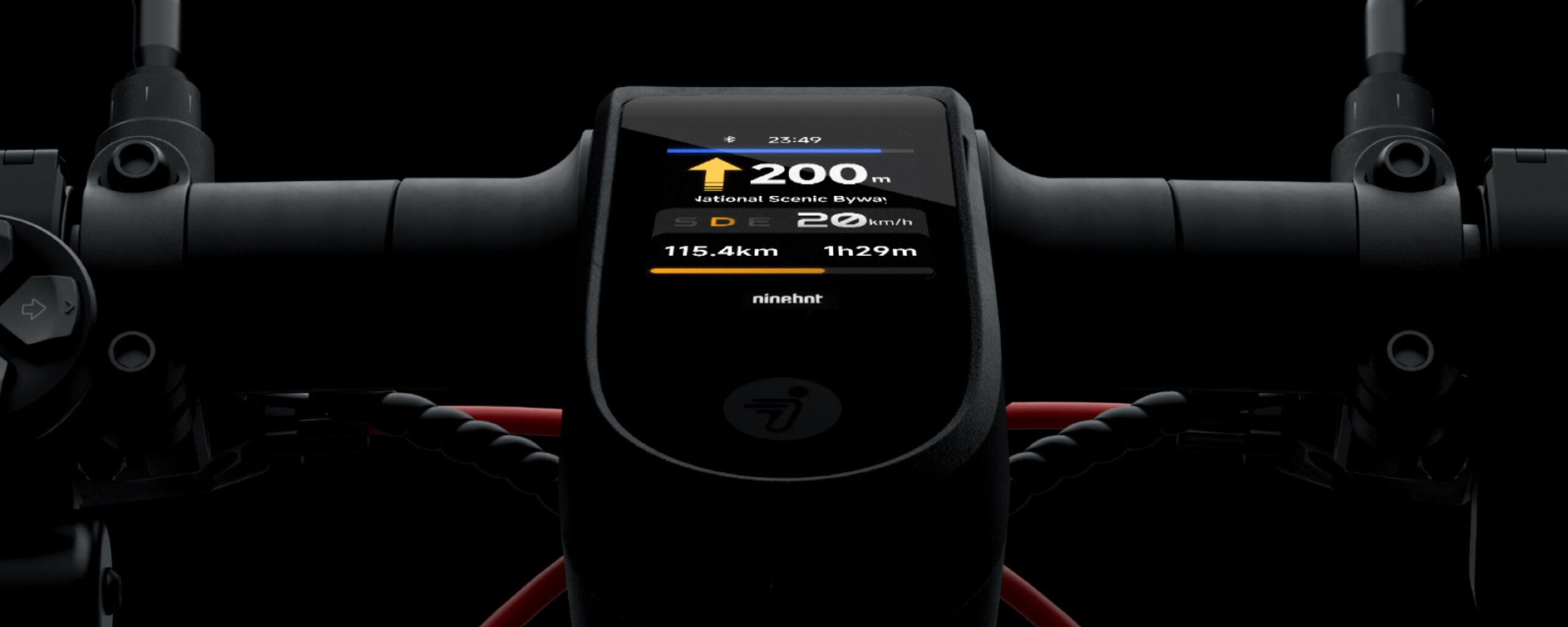
Instead of a tiny display showing little more than speed and remaining battery, the G3 E uses a TFT interface supporting navigation information and incoming-call notifications. Apple Find My integration is built in, Bluetooth can unlock the scooter automatically, and the Segway app handles additional settings.

Charging is relatively quick too. The integrated charger needs approximately 3.5 hours, while using an optional second DC input can reduce that to around 2.5 hours.

Segway Ninebot MAX G3 E Electric Ki (2)
Segway Ninebot MAX G3 E Electric Ki

There is, inevitably, a catch. The MAX G3 E weighs 24.6 kilograms.

Calling something weighing almost 25 kg easily portable requires a generous definition of the word “portable.” Carrying it up several flights of stairs every evening will quickly remind you that all this extra battery, suspension and hardware has to weigh something.

That reveals where premium kick scooters are heading.

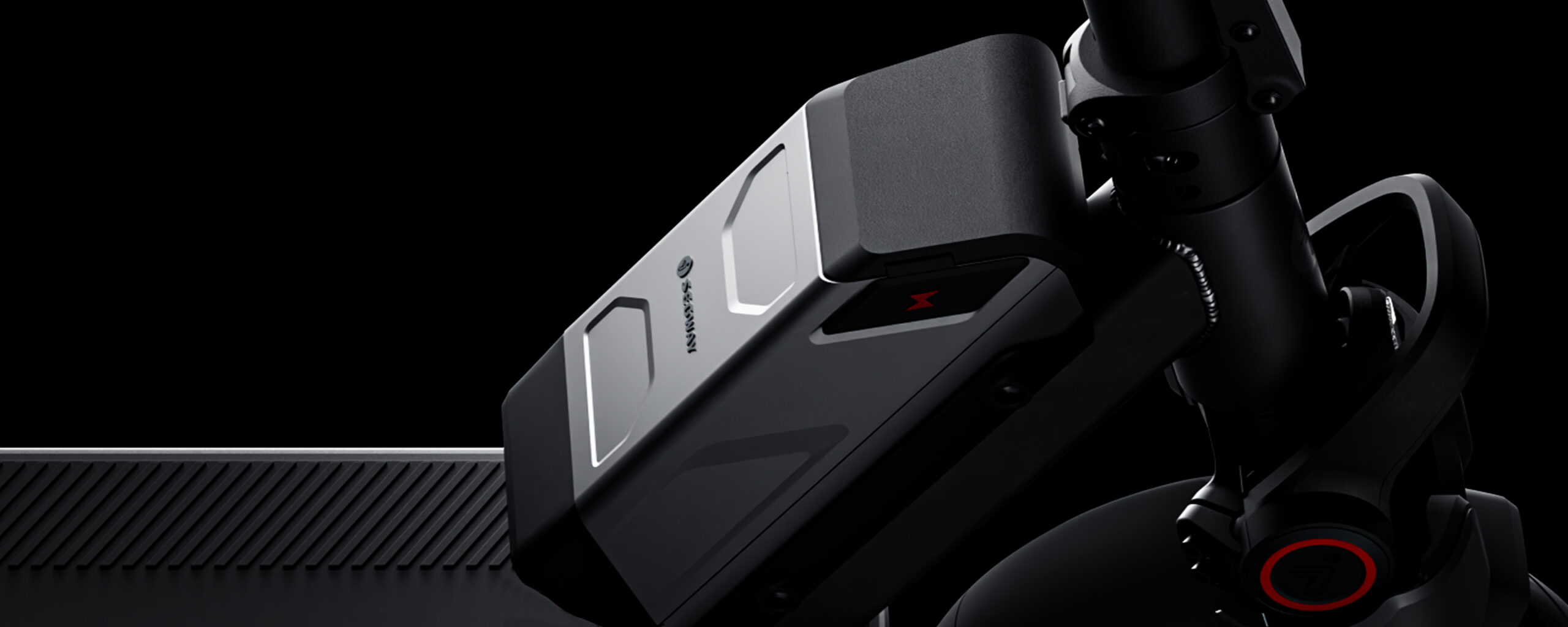
The G3 E isn’t really trying to be the tiny last-mile device you casually throw into a car boot. With 2,000 watts, hydraulic suspension, proper disc brakes, navigation, traction control and potentially more than 100 km of range, it increasingly behaves like a compact personal vehicle that happens to fold.

For regular commuters, that may be exactly what makes it appealing. Just don’t volunteer to carry one to the fourth floor.