Categories
Segway News

Segway F3 Pro E vs ZT3 Pro E: Same Range, Different Roads

Seventy kilometers sounds like plenty for a scooter. That’s what Segway claims for both the F3 Pro E and ZT3 Pro E, provided they’re travelling at 15 kilometres per hour. Most people won’t ride at that speed all the time, of course. And that’s where the brochure figures start becoming less useful.

At 25 kilometers per hour, the advertised range drops to roughly 50 kilometers for either model.

So far, there’s little to separate them.

But imagine taking the same route to work every morning. You leave home, cross a couple of busy streets, follow a cycle lane and eventually reach that awful stretch of pavement the council never seems to repair.

Which scooter would you rather be riding?

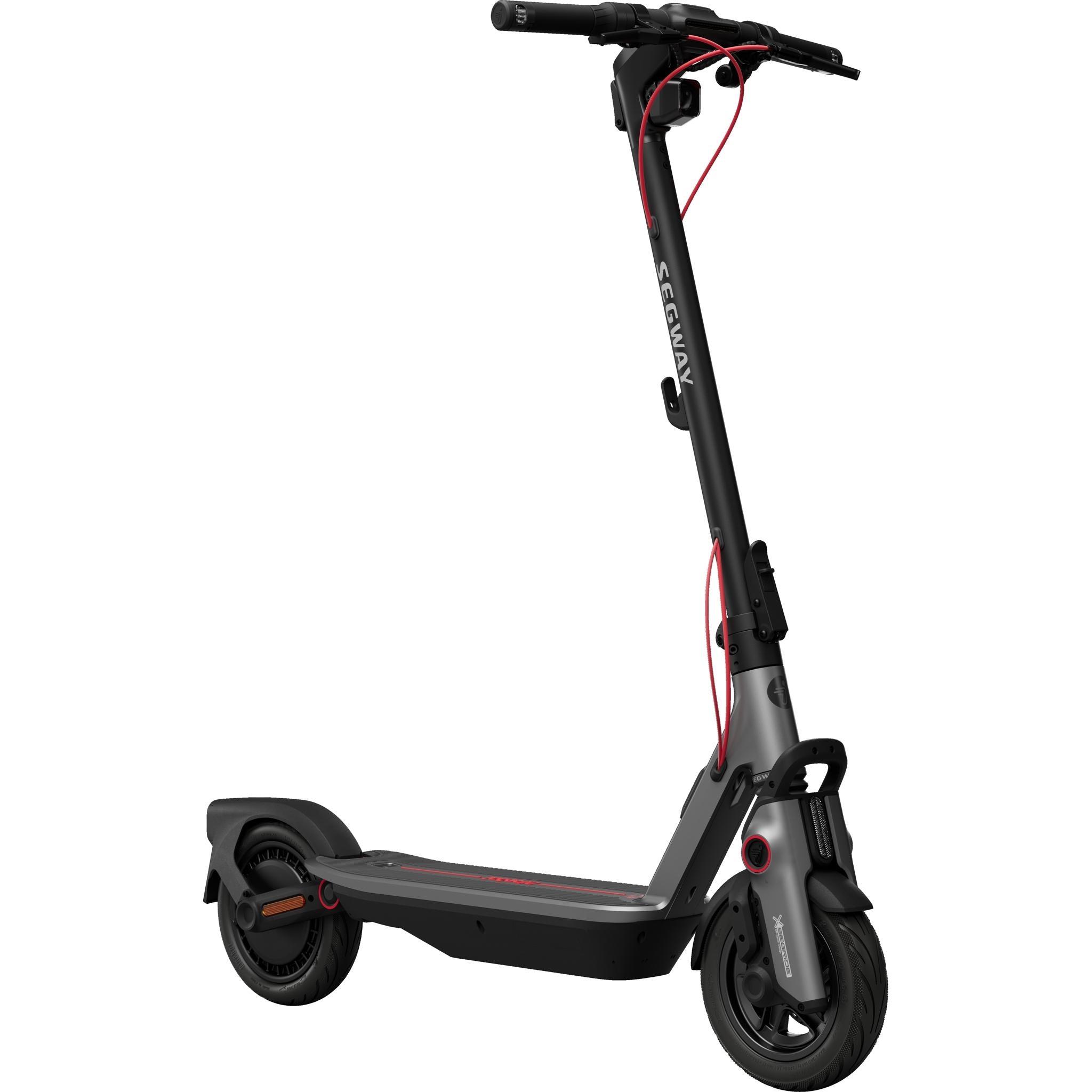
The F3 Pro E was developed primarily for city travel. Its intended environment is fairly straightforward: paved roads, cycle lanes and the sort of short trips that make owning an electric scooter worthwhile.
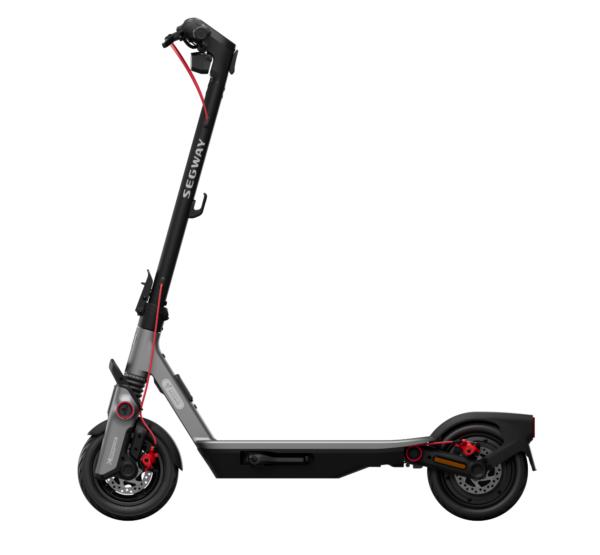
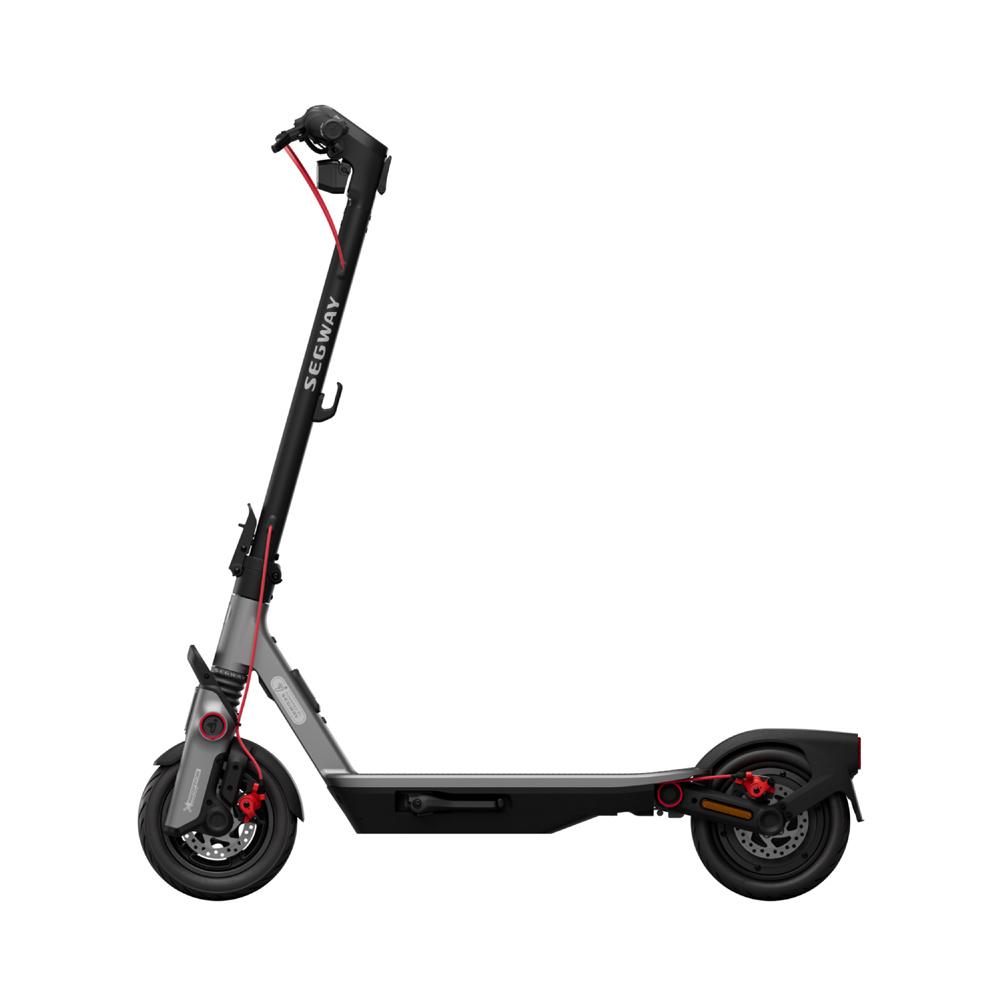
Segway F3 Pro E – Suspension and Design

The ZT3 Pro E looks quite different.

Segway markets it as an all-road machine. That description doesn’t give you permission to ride anywhere you please, but it does suggest a greater emphasis on dealing with uneven surfaces.

For somebody whose commute includes damaged asphalt, that could be a deciding factor. I wouldn’t automatically choose the ZT3, though.
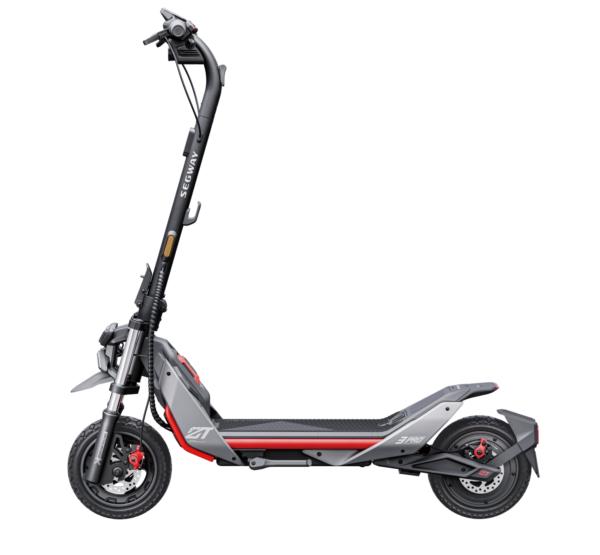
Segway ZT3 Pro E – All Road Scooter

There’s a difference between wanting a scooter that handles rougher ground and actually needing one. If your journey takes place almost entirely on smooth pavement, the F3 Pro E might be perfectly suitable.

And there are other things to consider.

Say you live on the third floor. No lift. You get home tired, fold your scooter and carry it upstairs. Suddenly, the weight of the machine matters a lot more than its advertised range.

The same problem appears when you need to store it behind a door or take it onto public transport.

I’d check the actual dimensions and weight before ordering either model.

As for battery life, those 70 kilometres shouldn’t be taken too literally. Segway’s figures are based on specific testing conditions. A heavier rider, a cold morning or a route full of hills can change the outcome considerably.
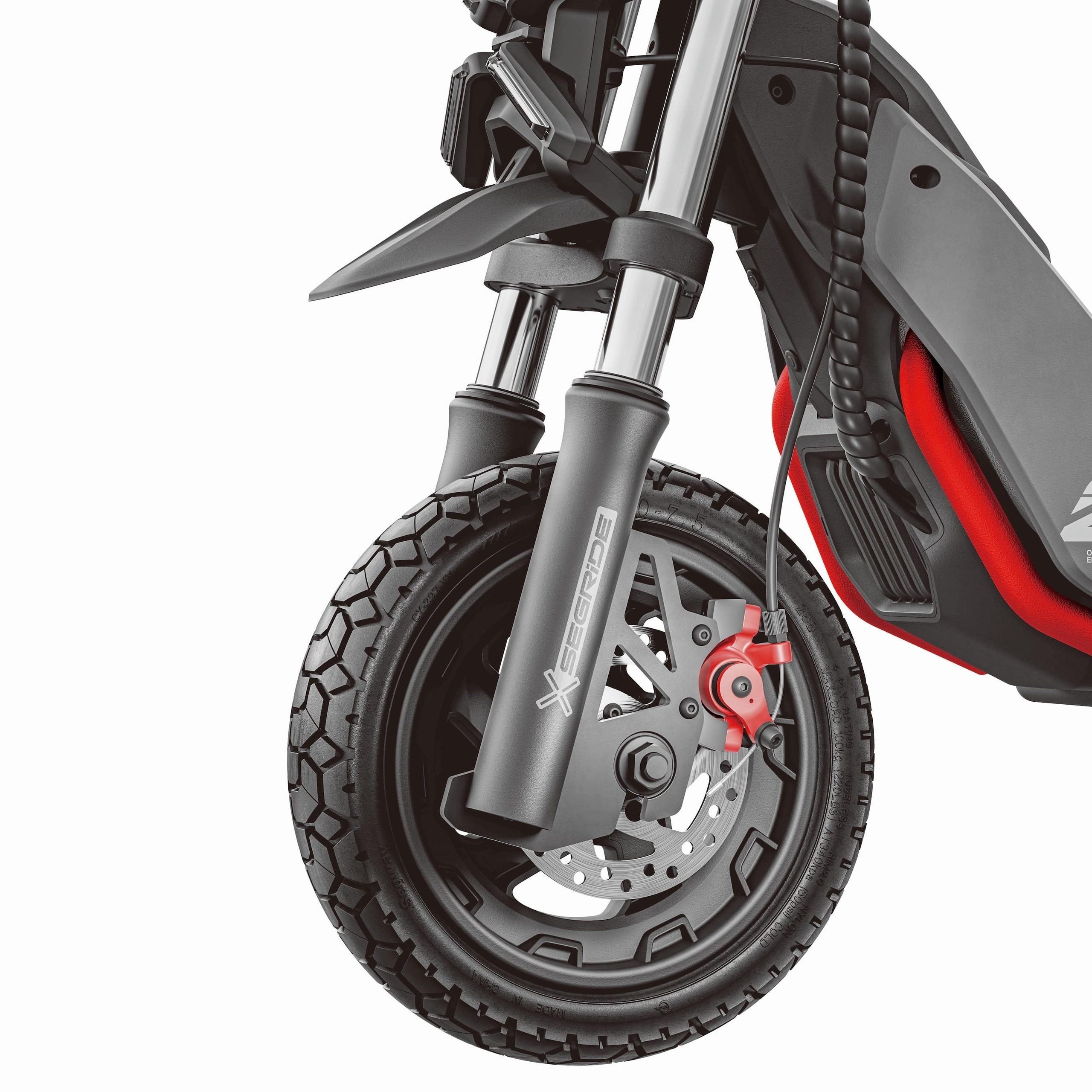
Segway ZT3 Pro E – Rugged Construction

Repeated acceleration won’t help, either.

Prices are another complication. Depending on where you live, the difference between the two scooters may be large enough to influence the decision. Comparing offers from the same country is the sensible approach.

Personally, I’d look at the road surface first.

Smooth streets and predictable journeys? The F3 Pro E seems a reasonable fit. Broken pavement and regular bumps? I’d give the ZT3 Pro E more attention.

And if I had to carry either one up several flights of stairs every evening, I’d check its weight before looking at anything else.

Categories
Segway News

Segway Ninebot F3 Pro Gets Its Range Checked by UL. The Result Matters More Than You Might Think

There’s a familiar problem with electric scooters.

The manufacturer promises you a great deal in terms of mile range, you buy it and then discover that your own journeys don’t quite match the figures on the box.

Sometimes the difference is small. Other times, hills, cold weather and frequent stops make a noticeable dent in the distance you can travel.

Segway is trying to make those numbers easier to judge.

Segway F3 Pro (1)
Segway F3 Pro

Its Ninebot F3 Pro has received the UL Verified Micro Mobility Performance Mark, covering range, energy consumption and water resistance. The verification comes from UL Solutions, an independent testing organisation, rather than Segway’s own marketing department.

That doesn’t make the F3 Pro immune to disappointing battery life. It does mean the claims have been examined against an external testing process.

The scooter itself arrived as part of Segway’s third-generation range in January 2025. It wasn’t designed to chase the sort of performance figures associated with expensive dual-motor machines.

Instead, the F3 Pro concentrates on commuting.

Segway F3 Pro (2)
Segway F3 Pro

It uses hydraulic suspension at the front and an elastomer system at the rear. Segway also developed a steering arrangement called SegRide, intended to make the scooter feel more stable during normal riding.

These details matter on roads that aren’t perfectly smooth. A suspension system can make a daily journey more comfortable, particularly when the route includes rough asphalt or uneven surfaces.

In its American launch announcement, Segway quoted up to 44 miles of range for the F3 family. The maximum speed was listed at 20 mph.

Neither figure should be treated as a guarantee for every F3 Pro sold worldwide. Specifications can vary between markets, and range depends heavily on the circumstances.

Imagine two people riding the same scooter.

One travels along flat streets at a steady speed. The other faces several climbs, traffic lights and a heavier load. Their batteries won’t deliver identical results, even if both scooters leave home fully charged.

Segway F3 Pro (2)
Segway F3 Pro

That’s why the UL verification is interesting. It introduces a common testing reference instead of leaving customers to compare numbers obtained under potentially different conditions.

Water resistance is another useful part of the assessment. A scooter used for commuting will eventually encounter wet roads, even if its owner tries to avoid riding in heavy rain.

Of course, a verification mark doesn’t replace checking the manufacturer’s operating limits.

For someone shopping for a commuter scooter, the F3 Pro’s most interesting feature might therefore be something that isn’t visible in a product photograph.

Not the suspension or the display, but the fact that somebody outside Segway has checked part of the specification sheet.